
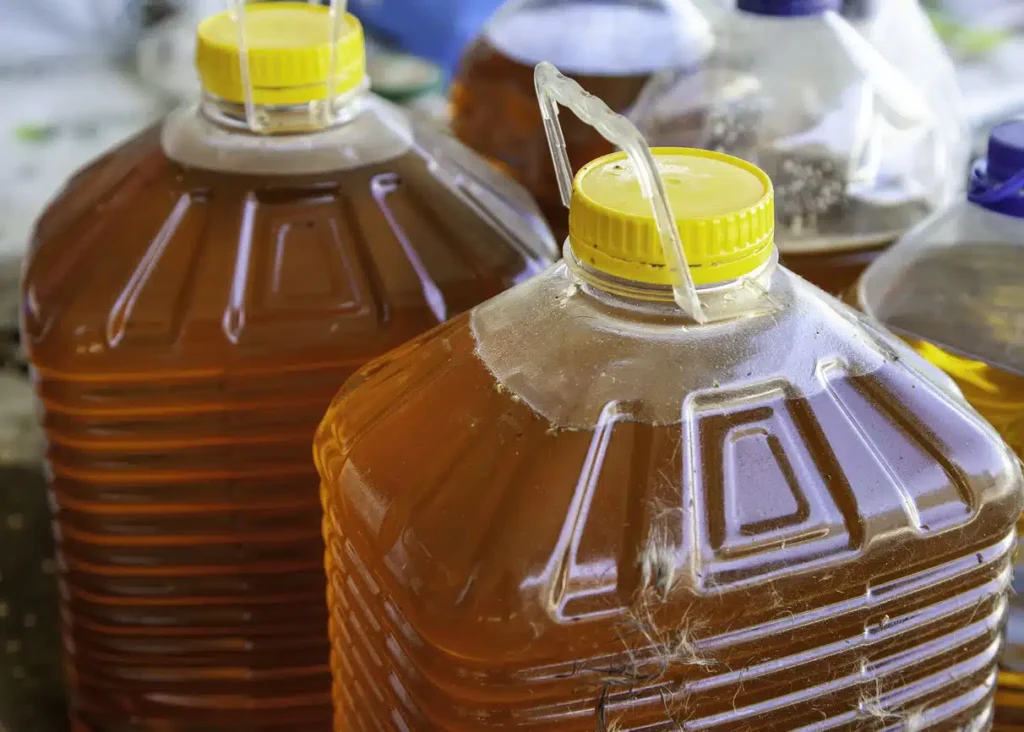
Used cooking oil, also known as exhausted cooking oil, is a byproduct of the food industry. It’s essentially leftover oil from frying, used in industrial settings, restaurants, and households. This waste can be produced from various sources, such as vegetable oils, palm oil, and other edible oils.
The History of Used Cooking Oil
In Italy, used cooking oil has been an issue for a long time. The Italian government introduced regulations to address this problem. In 1997, the Ministerial Decree (Dlgs) number 22 of February 5th was enacted, which mandated the collection, recycling, and disposal of oils and greases from households and businesses.
How is Used Cooking Oil Handled?
The Used Cooking Oil National Consortium, also known as CONOE, is an obligatory national association in Italy that takes care of collecting, transporting, storing, treating, and reusing used cooking oil. The consortium ensures that the oil is processed and reused in various ways:
- Biodiesel production: Used cooking oil can be converted into biodiesel.
- Soap production: Oils are turned into soap.
- Oil regeneration: The oil is purified and ready for use as a lubricant.
- Road asphalt production: Used cooking oil is used to produce road asphalt.
- Animal feed production: Used cooking oil can be converted into animal feed.
The Importance of Proper Disposal
Used cooking oil should not be disposed of in the regular trash. It’s essential to follow proper disposal procedures to avoid harming the environment and human health. If you’re caught disposing of used cooking oil improperly, you could face a fine of up to €1,550.
How Much Does Used Cooking Oil Cost?
The cost of used cooking oil can vary depending on the location and quantity. In some areas, it’s collected for free by the consortium or local organizations. However, in other regions, households must pay for its collection and disposal.
Some cities in Italy collect used cooking oil from households for a small fee. The amount of money paid varies between €10 to €50 per year. In other cases, households may be required to purchase specialized containers that meet the consortium’s standards.
The price of used cooking oil can range from €180 to over €400 per ton.
How to Dispose of Used Cooking Oil at Home
To avoid harming the environment and human health, it’s recommended to dispose of used cooking oil properly. Here are some steps you can follow:
- Use a suitable container: You’ll need a large, plastic bottle with a wide mouth.
- Collect the used oil: After frying, let the used oil cool down before pouring it into the container.
- Store the container: Keep the container in a safe place until you’re ready to dispose of the oil.
Note that it’s not recommended to reuse cooking oil for multiple frying sessions. Recent studies have shown that reusing the same oil can cause health problems. Instead, consider visiting the website mentioned below for more information on how to safely dispose of used cooking oil:
https://www.riutilizzarel’olioperfriggere.it/
Benefits of Using Used Cooking Oil
The benefits of using used cooking oil are numerous. Some of the advantages include:
- Environmental sustainability: Used cooking oil is a valuable source of energy and can be converted into biodiesel, which reduces greenhouse gas emissions.
- Economic benefits: The recycling industry provides jobs for thousands of people in the food waste sector.
- Social benefits: Used cooking oil helps to reduce the amount of organic waste sent to landfills.
Conclusion
Used cooking oil is a valuable byproduct of the food industry. It’s essential to handle it properly and dispose of it responsibly. The Used Cooking Oil National Consortium plays a crucial role in collecting, transporting, storing, treating, and reusing used cooking oil. By following proper disposal procedures and exploring alternative uses for used cooking oil, we can reduce waste and promote sustainability.
Common Uses of Biodiesel
Biodiesel is produced from vegetable oils, animal fats, or other plant materials. It’s a renewable source of energy that can be used as a fuel substitute in vehicles, heating systems, and generators. Some common uses of biodiesel include:
- Vehicle fuel: Biodiesel can be blended with gasoline to produce a cleaner-burning fuel.
- Heating systems: Biodiesel is commonly used for space heating, water heating, and other applications.
- Power generation: Biodiesel can be used as a fuel source for generators and other power plants.
Regulations and Guidelines
Regulations regarding used cooking oil disposal vary by country. In some countries, households are required to collect and dispose of used cooking oil themselves. In other cases, local organizations or government agencies may provide collection services.
To ensure compliance with regulations, it’s recommended to check with local authorities for specific guidelines on used cooking oil disposal.
Alternatives to Used Cooking Oil
There are several alternatives to using used cooking oil, including:
- Recycling programs: Many communities have recycling programs that accept used cooking oil.
- Biodiesel producers: Some companies specialize in producing biodiesel from waste oils.
- Soap making: Used cooking oil can be converted into soap, which is a popular alternative to commercial soaps.
Conclusion
Used cooking oil is a valuable byproduct of the food industry. It’s essential to handle it properly and dispose of it responsibly. By following proper disposal procedures and exploring alternative uses for used cooking oil, we can reduce waste and promote sustainability.
The benefits of using used cooking oil are numerous, including environmental sustainability, economic benefits, and social benefits. Biodiesel is a common use of used cooking oil, which can be produced from vegetable oils, animal fats, or other plant materials. Regulations regarding used cooking oil disposal vary by country, and it’s recommended to check with local authorities for specific guidelines.
Alternatives to using used cooking oil include recycling programs, biodiesel producers, and soap making. By exploring these alternatives, we can reduce waste and promote sustainability.
In conclusion, used cooking oil is a valuable resource that requires proper handling and disposal. By following proper procedures and exploring alternative uses, we can promote sustainability and reduce waste.


