
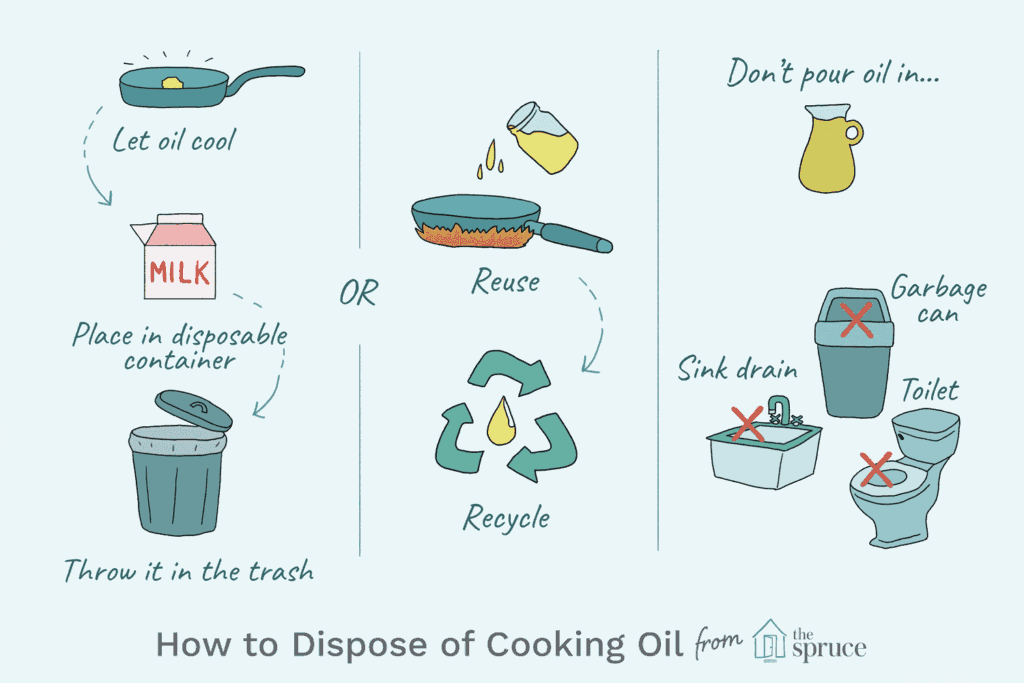
As a society, we often focus on reducing waste and promoting sustainability. However, there are still many opportunities for us to make a positive impact. One area that has been gaining attention in recent years is the reuse of used cooking oil.
What is Used Cooking Oil?
Used cooking oil, also known as exhausted cooking oil, is the leftover oil from cooking activities such as frying and sautéing. It can be generated from various sources, including restaurants, food industries, and households. This oil can contaminate water sources and harm aquatic life if not disposed of properly.
Why Should We Care About Used Cooking Oil?
Used cooking oil is a significant contributor to environmental pollution. If it enters waterways, it can cause irreparable damage to ecosystems. Moreover, the production of new oils requires large amounts of energy and resources, making the reuse of used cooking oil an attractive alternative.
The Scale of the Problem
In Italy alone, the annual production of used cooking oil is estimated to be around 280,000 tons, with a significant portion coming from household waste. To put this into perspective, if every household in Italy reduced their oil usage by just one kilogram per year, it could prevent an estimated €15 million worth of damage to the environment.
What Happens When Used Cooking Oil Enters Waterways?
When used cooking oil reaches water sources, such as lakes and rivers, it can have devastating effects. The oil can form a layer on the surface, preventing sunlight from penetrating and causing algae blooms. This not only harms aquatic life but also contaminates drinking water.
The Potential of Used Cooking Oil for Energy Generation
Fortunately, there are companies specializing in recycling used cooking oil to produce biodiesel. This sustainable energy source has the potential to significantly reduce our reliance on fossil fuels. In fact, according to a European Directive, there is an increasing emphasis on using renewable biomass as a fuel source.
Benefits of Using Used Cooking Oil for Energy Generation
Using recycled used cooking oil for energy generation offers several advantages:
- Reduced greenhouse gas emissions
- Lower dependence on fossil fuels
- Potential for job creation and economic growth
The Impact of Used Cooking Oil Recycling on the Environment
By recycling used cooking oil, we can reduce waste, lower emissions, and protect ecosystems. The production of biodiesel from recycled oil requires less energy than producing new oil from feedstocks such as soybeans or corn. This not only reduces greenhouse gas emissions but also conserves water and land resources.
Challenges Facing Used Cooking Oil Recycling
Despite its potential benefits, used cooking oil recycling faces several challenges:
- Contamination: Used cooking oil can be contaminated with food residue, bacteria, and other impurities that affect its quality and safety for use as fuel.
- Collection: Collecting used cooking oil from households and businesses requires a well-organized system to ensure that the oil is properly sorted, stored, and transported to processing facilities.
- Infrastructure: The lack of infrastructure in some regions can hinder the development of used cooking oil recycling programs.
The Role of Policy and Regulation
Policy and regulation play a crucial role in promoting the use of recycled used cooking oil for energy generation. Governments can:
- Implement policies that encourage the collection and recycling of used cooking oil
- Provide incentives for companies to invest in used cooking oil recycling infrastructure
- Develop standards and guidelines for the quality and safety of recycled used cooking oil
Conclusion: The Power of Used Cooking Oil Recycling
Used cooking oil is often viewed as a waste product, but it holds immense potential for energy generation. By understanding its impact on the environment and harnessing its power, we can work towards a more sustainable future. As individuals, communities, and governments, let’s join forces to reduce our reliance on fossil fuels and unlock the full potential of used cooking oil recycling.
Frequently Asked Questions
- What is the main concern about used cooking oil?
- Used cooking oil can contaminate water sources and harm aquatic life if not disposed of properly.
- How much energy can be generated from recycled used cooking oil?
- The exact amount depends on various factors, including production capacity and efficiency. However, it has the potential to significantly reduce our reliance on fossil fuels.
- Can used cooking oil be reused for other purposes?
- Yes, it can be used for industrial processes, such as lubrication and bio-based products.
- How can individuals contribute to used cooking oil recycling?
- By participating in local collection programs, reducing their own oil usage, and promoting awareness about the importance of sustainable waste management.


