
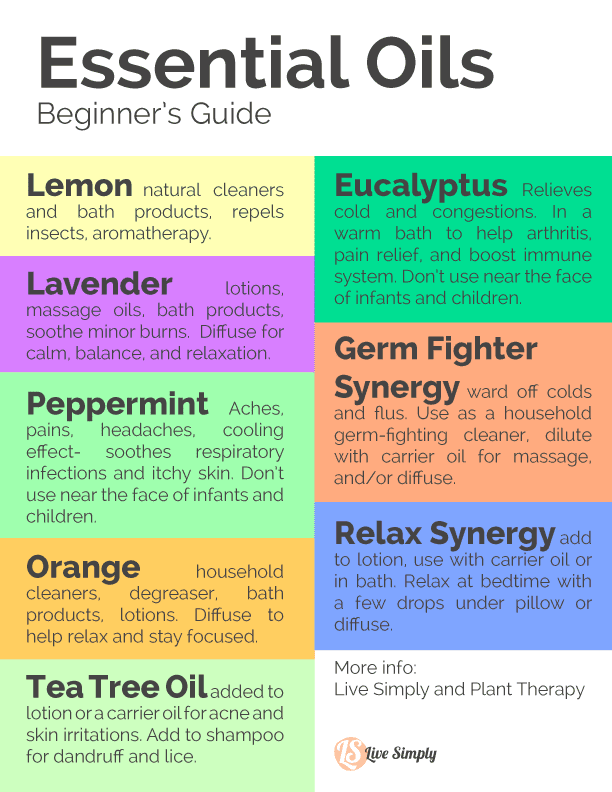
As we navigate the complexities of modern life, it’s easy to overlook the simple yet powerful remedies that nature has to offer. One such remedy is the humble essential oil, which has been used for centuries to promote physical and mental well-being. In this article, we’ll delve into the world of essential oils, exploring their uses, benefits, and precautions.
What are Essential Oils?
Essential oils are highly concentrated plant extracts that contain the essence of a plant’s fragrance and therapeutic properties. These oils are extracted from various parts of plants, such as flowers, leaves, roots, or bark, using techniques like steam distillation or cold pressing.
The process of essential oil extraction is complex and requires great care to ensure the quality and purity of the final product. The type of extraction method used can affect the chemical composition of the oil, with some methods preserving more of the plant’s natural antioxidants than others.
Using Essential Oils: A Guide to Unlocking Their Potential
When it comes to using essential oils, it’s essential (pun intended) to follow some basic guidelines. Here are a few tips to get you started:
- Always dilute essential oils with a carrier oil before applying them to the skin.
- Consult with a healthcare professional before using essential oils, especially if you have any underlying medical conditions or allergies.
- Use high-quality, pure essential oils that are free of adulterants and additives.
Essential Oils for Better Sleep
Did you know that certain essential oils can help improve sleep quality? Here are a few examples:
- Lavender oil: Inhale the calming scent of lavender oil to promote relaxation and reduce anxiety.
- Ylang-ylang oil: Mix 2 drops of ylang-ylang oil with a carrier oil and apply it to your pulse points to calm your mind and body.
- Mandarin oil: Add a few drops of mandarin oil to your pillowcase or inhale its citrusy scent to uplift and calm your mood.
Lavender oil is particularly effective for promoting sleep, as its calming properties can help reduce stress and anxiety. Ylang-ylang oil, on the other hand, has been shown to promote feelings of relaxation and calmness, making it an excellent choice for unwinding before bed. Mandarin oil’s citrusy scent can also help uplift and calm your mood, making it a great addition to your bedtime routine.
Essential Oils for Skin Issues
Essential oils can also be used to alleviate various skin issues, such as:
- Pemphigus: Mix 3 drops of peppermint oil with a carrier oil and apply it topically to reduce inflammation and itching.
- Acne: Use tea tree oil to combat acne-causing bacteria and promote healing.
Tea tree oil is a popular essential oil for skin issues, as its antimicrobial properties can help combat acne-causing bacteria. Peppermint oil’s cooling sensation can also help reduce inflammation and itching, making it an excellent choice for treating pemphigus.
Essential Oils for Respiratory Issues
Certain essential oils can help alleviate respiratory issues, such as:
- Coughs and colds: Inhale the decongestant properties of eucalyptus oil or add it to your bath water to ease congestion.
- Asthma: Mix a few drops of frankincense oil with a carrier oil and apply it topically to reduce inflammation.
Eucalyptus oil’s decongestant properties can help relieve congestion and coughs, making it an excellent choice for cold and flu season. Frankincense oil’s anti-inflammatory properties can also help reduce inflammation in the airways, making it a great addition to your respiratory care routine.
Essential Oils for Personal Care
Essential oils can also be used in personal care products, such as:
- Deodorants: Add essential oils like lemon or tea tree oil to your deodorant for a natural and effective way to keep body odor at bay.
- Bath bombs: Mix essential oils with baking soda and citric acid to create bath bombs that promote relaxation and rejuvenation.
Essential oils can be used in a variety of personal care products, from deodorants to bath bombs. Adding lemon or tea tree oil to your deodorant can help keep body odor at bay while promoting a fresh and clean scent. Bath bombs infused with essential oils like lavender or chamomile can also promote relaxation and rejuvenation.
Safety Precautions and Contradictions
While essential oils can be incredibly beneficial, it’s essential (pun intended) to use them safely and responsibly. Here are some precautions to keep in mind:
- Always dilute essential oils with a carrier oil before applying them to the skin.
- Consult with a healthcare professional before using essential oils, especially if you have any underlying medical conditions or allergies.
- Avoid using certain essential oils during pregnancy or breastfeeding.
Some essential oils can be toxic in large quantities or interact with medications, making it essential to use them safely and responsibly. Always dilute essential oils with a carrier oil before applying them to the skin, and consult with a healthcare professional before using them, especially if you have any underlying medical conditions or allergies.
Conclusion
Essential oils are a powerful tool for promoting physical and mental well-being. By understanding their uses, benefits, and precautions, you can unlock the full potential of these natural remedies and improve your overall health and happiness. Remember to always dilute essential oils with a carrier oil, consult with a healthcare professional, and use high-quality, pure essential oils.
Frequently Asked Questions (FAQs)
-
What is the best way to use essential oils?
The best way to use essential oils is by following proper safety precautions and guidelines. Always dilute essential oils with a carrier oil before applying them to the skin, and consult with a healthcare professional before using them. -
Can I take essential oils orally?
No, it’s not recommended to take essential oils orally without consulting with a healthcare professional. Essential oils can be toxic in large quantities and may interact with medications or cause allergic reactions. -
What are the most common allergens among essential oils?
The most common allergens among essential oils include lavender, tea tree, and peppermint. If you have any allergies or sensitivities, consult with a healthcare professional before using these oils. -
Can I use essential oils during pregnancy?
It’s recommended to consult with a healthcare professional before using essential oils during pregnancy. Some essential oils, such as clary sage and fennel, may stimulate the uterus and cause contractions. -
How can I store essential oils?
Essential oils should be stored in a cool, dark place away from direct sunlight and heat sources. Always label and date your essential oil bottles to ensure you use the oldest oils first. -
Can I use essential oils on children?
It’s recommended to consult with a healthcare professional before using essential oils on children. Some essential oils, such as tea tree and peppermint, may be too harsh for young skin. -
How can I make my own essential oil blend?
To make your own essential oil blend, start by selecting the essential oils you want to use based on their therapeutic benefits. Mix a few drops of each oil together in a carrier oil or add them to a diffuser for a personalized scent. -
What are some common essential oils used for relaxation?
Some common essential oils used for relaxation include lavender, chamomile, and bergamot. These oils can be added to your bath water, inhaled through a diffuser, or applied topically to promote relaxation and calmness.


