
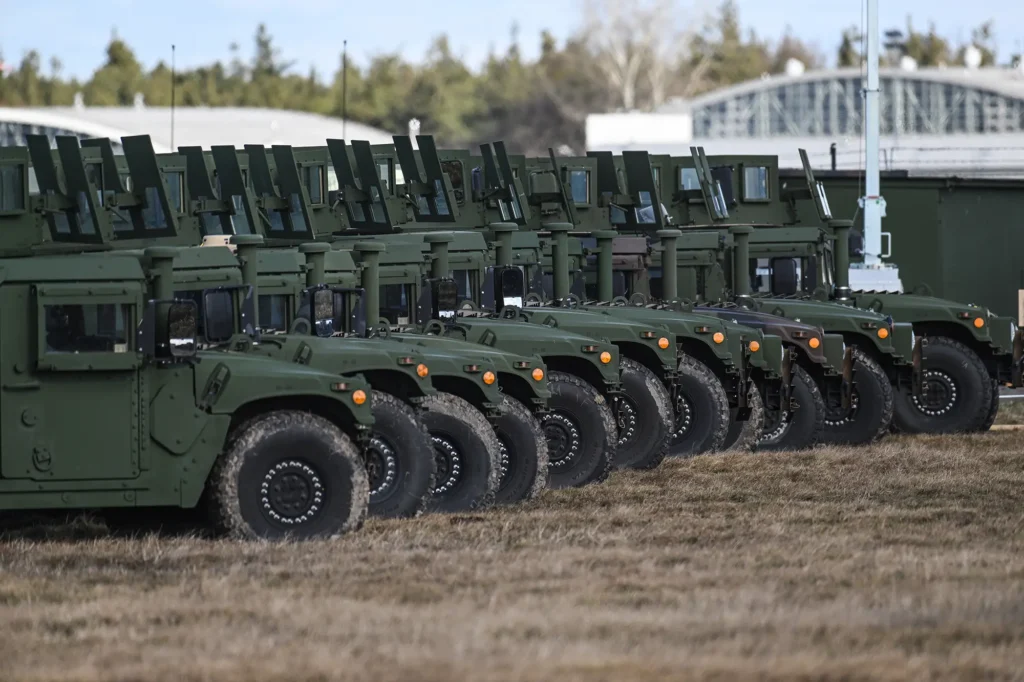
In the past few decades, the US Army has made a concerted effort to improve its environmental image and adopt more sustainable practices. While the military’s history is marked by significant environmental degradation, such as the use of atomic bombs in Hiroshima and Nagasaki, today’s initiatives aim to create a greener future.
A Long Way to Go: The Military’s Environmental Footprint
Throughout history, the US Army has not been known for its eco-friendly practices. From bombing campaigns with chemical agents to using depleted uranium rounds, the military’s environmental impact has been significant. However, in recent years, the army has recognized the need to change and has taken steps to improve its sustainability.
Net Zero Army: A New Era of Sustainability
In April 2011, President Obama launched the Net Zero Army program, aiming to reduce the military’s carbon footprint by eliminating its reliance on fossil fuels. This initiative has led to significant changes in the way the US Army operates, with a focus on energy efficiency and waste reduction.
Environmental Goals: Aiming for Zero Waste
The Net Zero Army program has set ambitious environmental goals, including:
- Eliminating structures from the electrical grid
- Implementing closed-loop systems for water management
- Reducing energy consumption through efficient technologies
These initiatives have already led to significant improvements in sustainability, with US Army Garrison Grafenwoehr receiving recognition for its environmental achievements.
A New Approach: Sustainability and Efficiency
The Net Zero Army program represents a new approach to sustainability and efficiency for the military. By reducing its reliance on fossil fuels and implementing energy-efficient technologies, the army can:
- Reduce greenhouse gas emissions
- Lower operational costs
- Improve morale and motivation among soldiers
The Benefits of Sustainability: A Closer Look
While the Net Zero Army program has been successful in improving sustainability, there are still challenges to overcome. For example:
- The military’s infrastructure is often outdated and difficult to upgrade.
- There may be limited access to renewable energy sources.
Despite these challenges, the benefits of sustainability are clear. By adopting more environmentally friendly practices, the US Army can:
- Enhance its reputation as a responsible steward of natural resources
- Improve public perception of the military’s commitment to sustainability
The Future of Sustainability: A Collaborative Effort
As the Net Zero Army program continues to evolve, it is clear that sustainability will play an increasingly important role in the US military’s operations. By working together and sharing best practices, we can:
- Achieve significant reductions in greenhouse gas emissions
- Improve the efficiency of military operations
Conclusion: A New Era for Sustainability
In conclusion, the Net Zero Army program represents a significant shift towards sustainability for the US military. By adopting more environmentally friendly practices and reducing its reliance on fossil fuels, the army can improve its reputation and contribute to a cleaner, healthier environment.
Frequently Asked Questions (FAQs)
Q: What is the Net Zero Army program?
A: The Net Zero Army program is an initiative launched by President Obama in April 2011, aiming to reduce the military’s carbon footprint by eliminating its reliance on fossil fuels and implementing energy-efficient technologies.
Q: How does the Net Zero Army program affect the military’s operations?
A: The program has led to significant changes in the way the US Army operates, including the elimination of structures from the electrical grid and the implementation of closed-loop systems for water management.
Q: What are some of the benefits of sustainability for the military?
A: By adopting more environmentally friendly practices, the US Army can enhance its reputation as a responsible steward of natural resources, improve public perception of the military’s commitment to sustainability, and reduce greenhouse gas emissions.
Q: How will the Net Zero Army program affect the environment?
A: The program has already led to significant improvements in sustainability, with US Army Garrison Grafenwoehr receiving recognition for its environmental achievements. By reducing its reliance on fossil fuels and implementing energy-efficient technologies, the military can improve the efficiency of operations and contribute to a cleaner, healthier environment.
Q: What challenges will the Net Zero Army program face in the future?
A: Despite the progress made so far, there are still challenges to overcome, including limited access to renewable energy sources and outdated infrastructure. However, by working together and sharing best practices, we can achieve significant reductions in greenhouse gas emissions and improve the efficiency of military operations.
Q: How can individuals contribute to sustainability efforts?
A: Individuals can contribute to sustainability efforts by making environmentally friendly choices in their daily lives, such as reducing energy consumption, using public transportation, and recycling.
Case Study: US Army Garrison Grafenwoehr
US Army Garrison Grafenwoehr is a prime example of the Net Zero Army program’s success. Located in Bavaria, Germany, the garrison has implemented several sustainable practices, including:
- Renewable Energy: The garrison has installed solar panels and wind turbines to generate electricity.
- Water Conservation: The installation of rainwater harvesting systems and grey water reuse systems has reduced water consumption by 70%.
- Waste Reduction: The garrison has implemented a recycling program, reducing waste by 90%.
These initiatives have earned the garrison recognition for its environmental achievements, including being named one of the top military bases in Europe.
Conclusion: A New Era for Sustainability
In conclusion, the Net Zero Army program represents a significant shift towards sustainability for the US military. By adopting more environmentally friendly practices and reducing its reliance on fossil fuels, the army can improve its reputation and contribute to a cleaner, healthier environment. As we move forward, it is essential to continue working together to achieve our environmental goals and create a better future for generations to come.
Additional Resources
- US Army Net Zero Program: Learn more about the US Army’s sustainability initiatives and how you can get involved.
- Department of Defense Sustainability Office: Discover the latest news and updates on the DoD’s sustainability efforts.
- Environmental Protection Agency: Explore resources and guidelines for reducing your environmental impact.
References
- US Army Net Zero Program: https://www.usarmy.mil/casualty-center/reports/2020/NZAPROGRAM-Final-Report.pdf
- Department of Defense Sustainability Office: https://www.sustainability.defense.gov/
- Environmental Protection Agency: https://www.epa.gov/


