
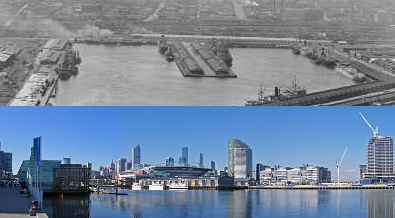
As we navigate the complexities of urban living, it’s easy to overlook the often-overlooked areas that make up our cities. But what if these neglected spaces were not just a nuisance, but an opportunity for transformation? Welcome to the world of urban revitalization, where forgotten corners are reborn into vibrant hubs of community and commerce.
What is Urban Revitalization?
Urban revitalization refers to the process of reclaiming and redeveloping underutilized or degraded areas within a city. This can involve a range of initiatives, from restoring historic buildings and public spaces to implementing green infrastructure and social programs. The goal is not just to revamp physical environments but also to foster a sense of community pride and ownership.
The Importance of Community Engagement
At the heart of urban revitalization lies the need for community engagement. When residents are actively involved in the planning process, they’re more likely to care about the outcome. It’s not just about making a space look pretty; it’s about creating an environment that promotes social interaction, economic opportunity, and environmental sustainability.
Community Engagement Strategies
To facilitate effective community engagement, urban planners and policymakers can employ various strategies:
- Public Meetings: Regular town hall meetings and public forums provide opportunities for residents to share their concerns, ideas, and feedback.
- Participatory Budgeting: Community-led budgeting initiatives allow residents to allocate a portion of the city’s budget towards specific projects or infrastructure improvements.
- Neighborhood Associations: Strong neighborhood associations can serve as catalysts for community engagement, providing a platform for residents to come together and advocate for their interests.
- Civic Education Programs: Educational programs aimed at promoting civic awareness and engagement can empower residents to take an active role in the revitalization process.
From Neighborhoods to City-Wide Initiatives
Urban revitalization can take many forms, from neighborhood-specific projects to city-wide initiatives. For example:
- Neighborhood Revitalization: A comprehensive revitalization project that addresses infrastructure, public spaces, and community facilities.
- City-Wide Planning Strategies: Integrated planning initiatives that prioritize green infrastructure, sustainable transportation systems, and affordable housing.
- Mixed-Use Development: Projects that combine residential, commercial, and recreational spaces to create vibrant hubs of activity.
The Intersection of Culture, Economy, and Environment
Urban revitalization is not just about aesthetics; it’s also about cultural relevance, economic viability, and environmental sustainability. When we invest in our cities, we’re investing in the people who live there. By incorporating elements of local culture, promoting inclusive zoning policies, and incorporating green technologies, we can create urban environments that are both resilient and thriving.
Cultural Relevance
Urban revitalization projects should prioritize cultural relevance by:
- Preserving Historical Landmarks: Protecting and preserving historical buildings and public spaces can help maintain a city’s unique character and heritage.
- Incorporating Local Art: Incorporating local art and architecture can enhance the aesthetic appeal of urban environments and foster community pride.
- Promoting Cultural Events: Hosting cultural events, festivals, and exhibitions can celebrate the diversity and richness of urban cultures.
Economic Viability
Urban revitalization projects should prioritize economic viability by:
- Encouraging Local Businesses: Supporting local businesses through initiatives like small business loans, tax incentives, and mentorship programs.
- Developing Affordable Housing: Addressing affordable housing needs through innovative solutions like community land trusts, co-housing models, and inclusive zoning policies.
Environmental Sustainability
Urban revitalization projects should prioritize environmental sustainability by:
- Implementing Green Infrastructure: Incorporating green roofs, rain gardens, and other green infrastructure can reduce urban runoff and improve air quality.
- Promoting Sustainable Transportation: Encouraging sustainable transportation options like bike-sharing systems, public transit, and pedestrian-friendly streets.
- Reducing Waste: Implementing waste reduction strategies through initiatives like recycling programs, composting facilities, and zero-waste targets.
A City That Cares: The Role of Local Government
Local governments play a critical role in driving urban revitalization efforts. By providing funding, resources, and policy support, they can help bridge the gap between vision and reality. This might involve partnering with private developers, community organizations, or local businesses to co-create solutions that benefit everyone.
Collaborative Partnerships
Effective urban revitalization requires collaborative partnerships among various stakeholders:
- Private Developers: Partnering with private developers to bring investment, expertise, and resources to the table.
- Community Organizations: Collaborating with community organizations to ensure projects meet the needs and priorities of local residents.
- Local Businesses: Working with local businesses to promote economic viability and support entrepreneurship.
Parks as Pioneers of Urban Revitalization
Parks are often the first areas to be targeted in urban revitalization efforts. By investing in park renovations, we’re not only creating beautiful spaces for recreation and relaxation but also building hubs for community activity. Whether it’s a park renovation or a new community center, these projects can serve as catalysts for broader urban renewal initiatives.
Innovative Park Designs
Urban parks are evolving to meet the needs of modern cities:
- Community Parks: Designing parks that prioritize community engagement and inclusivity.
- Eco-Parks: Creating parks that incorporate green infrastructure, sustainable transportation options, and eco-friendly features.
- Innovative Playgrounds: Developing playgrounds that promote physical activity, social interaction, and cognitive development.
Rigenerazione Urbana: A Three-Act Process
Urban revitalization is often described as a three-act process:
- Centri storici: The first act involves reviving historic centers and districts.
- Arei dismesse: The second act focuses on redeveloping vacant or underutilized areas.
- Quartieri residenziali: The third act brings attention to neighborhoods that require renovation.
European Union Initiatives
The European Union offers funding opportunities for urban development projects. These initiatives can help support community-led projects, sustainable infrastructure, and green technologies. By tapping into these resources, cities can accelerate their revitalization efforts and create more livable environments for all residents.
Success Stories from Across Italy
Looking at examples of successful urban revitalization projects across Italy:
- Milan’s Cascina Merlata: A neighborhood renovation project that transformed a former industrial area into a thriving commercial district.
- Torino’s Incet Polo dell’innovazione: A comprehensive initiative that integrated public spaces, services, and infrastructure to create a vibrant hub for innovation.
Conclusion
Urban revitalization is a complex process that requires careful planning, community engagement, and innovative solutions. By prioritizing cultural relevance, economic viability, and environmental sustainability, cities can transform neglected areas into vibrant hubs of activity. It’s time to take action, engage with local communities, and co-create the future of our urban landscapes.
Frequently Asked Questions
Q: What is urban revitalization?
A: Urban revitalization refers to the process of reclaiming and redeveloping underutilized or degraded areas within a city.
Q: How do community engagement and involvement play a role in urban revitalization?
A: Community engagement is crucial, as it fosters a sense of ownership and responsibility among residents, leading to more effective and sustainable outcomes.
Q: What are some examples of urban revitalization projects across Italy?
A: Successful initiatives include park renovations, neighborhood revitalizations, and comprehensive city-wide planning strategies that prioritize community needs and environmental sustainability.
Q: How can local governments support urban revitalization efforts?
A: Local governments can provide funding, resources, and policy support to bridge the gap between vision and reality, often through partnerships with private developers, community organizations, or local businesses.
Q: What is the role of European Union initiatives in supporting urban development projects?
A: The EU offers funding opportunities for sustainable infrastructure, green technologies, and community-led projects, helping cities accelerate their revitalization efforts and create more livable environments.


