
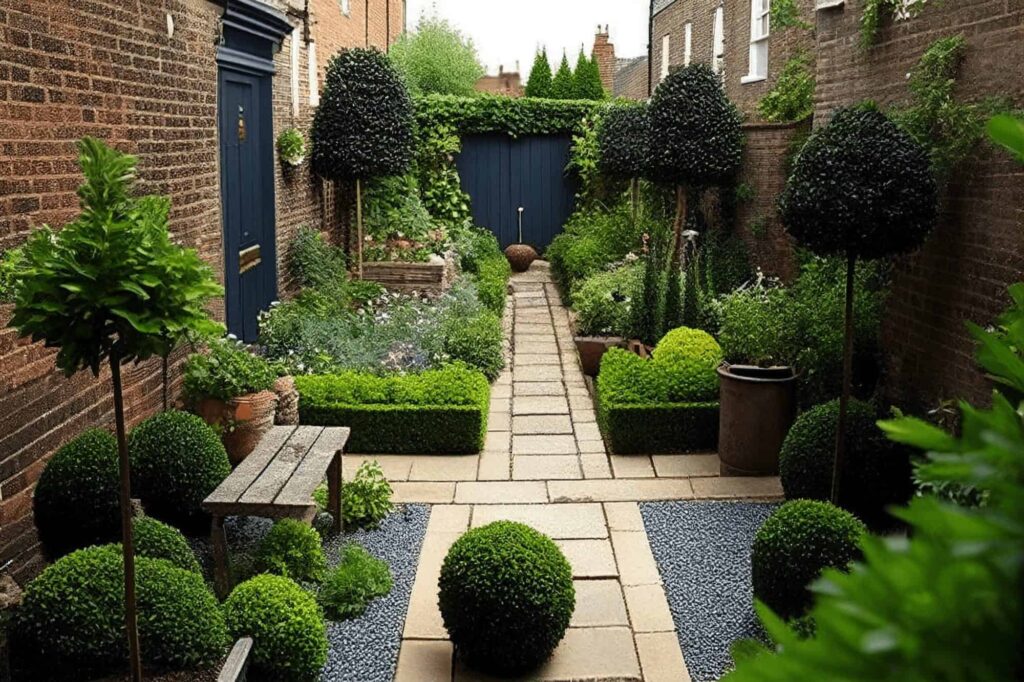
The Rise of Urban Gardening: A Modern Approach to Sustainability and Community Building
As the world grapples with climate change, environmental degradation, and social isolation, a new trend is emerging that offers a refreshing solution: urban gardening. Also known as green roofs or city gardens, these modern oases provide a space for individuals, communities, and organizations to come together, grow their own food, and cultivate a sense of belonging.
What is Urban Gardening?
Urban gardening refers to the practice of growing plants in an urban environment, such as on rooftops, balconies, or in public spaces. This modern approach to gardening combines sustainability, community building, and personal growth, making it a perfect fit for the 21st century.
The Benefits of Urban Gardening
So, why is urban gardening becoming increasingly popular? Here are just a few reasons:
- Sustainability: By growing our own food and reducing our reliance on industrial agriculture, we can lower our carbon footprint and contribute to a more sustainable future.
- Community Building: Urban gardens provide a space for people to come together, share knowledge, and build relationships with their neighbors and community members.
- Physical Health: Gardening is a form of exercise that promotes physical activity, reduces stress, and improves mental well-being.
- Economic Benefits: Urban gardening can also lead to cost savings on food and other household expenses.
Types of Urban Gardens
There are many different types of urban gardens, each with its own unique characteristics and benefits. Some examples include:
- Corporate Gardens: Many companies are incorporating urban gardens into their office spaces, providing employees with a chance to relax, socialize, and grow their own food.
- Community Gardens: These public spaces bring together residents from diverse backgrounds to share knowledge, resources, and a love for gardening.
- School Gardens: Urban gardens can also be integrated into educational settings, teaching children about science, nutrition, and environmental responsibility.
Case Studies: Successful Urban Gardening Initiatives
Here are a few examples of successful urban gardening initiatives around the world:
- Google’s Corporate Garden: In 2013, Google launched a corporate garden program in its San Francisco office, providing employees with a peaceful oasis to relax and grow their own food.
- Toyota’s Urban Farm: Toyota has been working on an urban farm project in Japan, using hydroponics and other cutting-edge techniques to produce fresh produce for local communities.
- The Forum Cooperazione e Tecnologia (FCT): In Italy, the FCT initiative has brought together community members, businesses, and government agencies to create over 600 urban gardens across the country.
Getting Started with Urban Gardening
If you’re interested in starting your own urban garden, here are a few tips to get you started:
- Choose the right location: Look for a spot that receives plenty of sunlight and has good drainage.
- Select easy-to-grow plants: Start with hardy, low-maintenance plants like tomatoes, herbs, and leafy greens.
- Join a community: Connect with other urban gardeners in your area to share knowledge, resources, and inspiration.
Frequently Asked Questions
Here are some frequently asked questions about urban gardening:
- What is the best time of year to start an urban garden?
- The best time to start an urban garden depends on your location and climate. In general, spring and fall are good seasons for planting.
- How much space do I need for an urban garden?
- You don’t need a lot of space to start an urban garden. Even a small balcony or windowsill can be used for growing plants.
- What kind of tools do I need for an urban garden?
- You’ll need basic gardening tools like a shovel, trowel, and watering can.
- How much water does an urban garden require?
- Urban gardens typically require less water than traditional gardens, especially if you’re using drought-tolerant plants.
- Can I grow fruit trees in my urban garden?
- Yes, but make sure to choose varieties that are compact and well-suited for container gardening.
Urban Gardening and Mental Health
Urban gardening has also been shown to have a positive impact on mental health. By providing a sense of purpose and connection to nature, urban gardens can help reduce stress and anxiety.
The Benefits of Urban Gardening for Mental Health
Here are just a few benefits of urban gardening for mental health:
- Reduces stress: Gardening has been shown to reduce cortisol levels and improve mood.
- Improves self-esteem: Growing your own food and watching it flourish can boost confidence and self-worth.
- Provides social connection: Urban gardens offer opportunities for socialization and community building, which is essential for mental health.
Urban Gardening and Physical Health
In addition to its benefits for mental health, urban gardening has also been shown to have a positive impact on physical health. By providing exercise and fresh air, urban gardens can help reduce the risk of chronic diseases.
The Benefits of Urban Gardening for Physical Health
Here are just a few benefits of urban gardening for physical health:
- Improves cardiovascular health: Gardening has been shown to lower blood pressure and improve circulation.
- Boosts immune system: Exposure to nature has been shown to boost the immune system and reduce inflammation.
- Supports healthy weight management: Gardening can provide exercise and a sense of fullness, helping individuals manage their weight.
Conclusion
Urban gardening is a modern approach to sustainability and community building that offers many benefits for individuals, communities, and organizations. By growing our own food, reducing our carbon footprint, and cultivating a sense of belonging, we can create a better future for ourselves and the planet. Whether you’re looking to improve your mental health, physical well-being, or economic situation, urban gardening is definitely worth considering.
As urban gardening continues to grow in popularity, it’s clear that this trend is here to stay. So why not give it a try? Grab some seeds, find a spot to garden, and join the movement towards a more sustainable, connected, and fulfilling future.


