
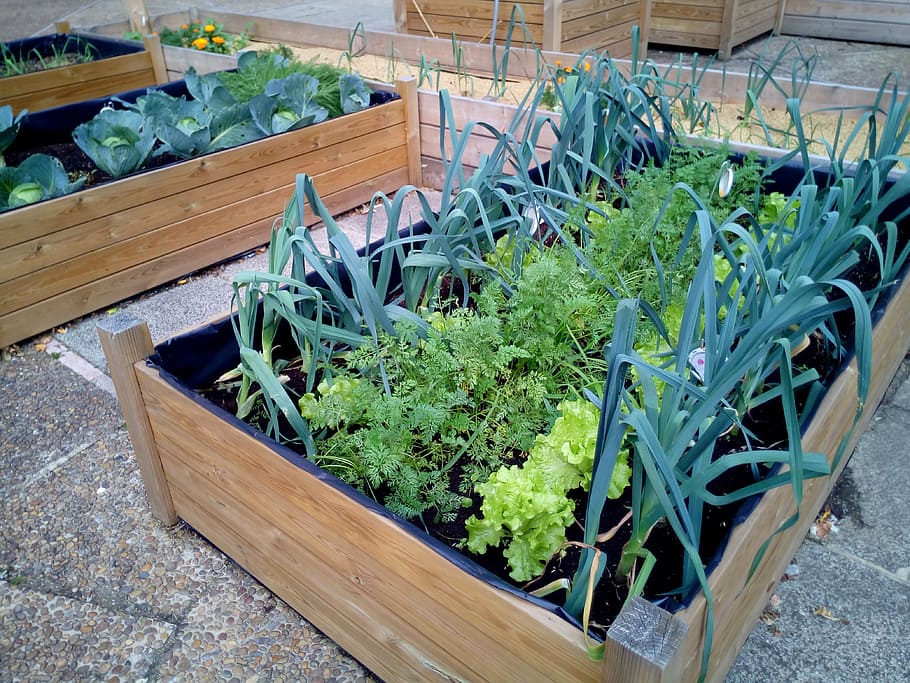
Having an indoor garden is easy. Just take Fulco Pratesi, founder and honorary president of WWF Italy, who also has a garden in his backyard in Rome, growing tomatoes, aromatic herbs like rosemary, thyme, and basil, lemons, bitter oranges, apples, pears, peaches, two figs, and one olive tree. A little space and some sunlight: that’s all you need to grow your own garden.
But it’s not just about having a few plants on a windowsill. Urban gardens are becoming increasingly important, as cities continue to expand and consume more resources than ever before. In fact, today cities only occupy 2% of the Earth’s surface, but they account for 75% of global resource consumption. It wasn’t always this way: in 1950, only 29% of people lived in cities, by 2008 that number had risen to over 50%, and by 2025 it could reach 65%. Over the next 40 years, cities will cover an area equivalent to Western Europe, while every 10 days a new city of one million people will be born.
What does this mean? That urban expansion will inevitably come at the expense of agricultural land and natural habitats. In this scenario, increasing green spaces within cities becomes even more crucial. According to the ISPRA report of 2012, in over half of Italy’s cities, the public green space area is less than 5% of the city’s territory, with some cities having negative rates below 0.05%. The worst performers are Taranto (less than 0.05%), Foggia (0.2%), Latina (0.5%), while 90 cities have a greener side.
There’s another important aspect: urban agriculture is also a response to the loss of fertile soil and poverty reduction, contributing to local economic development and social inclusion, especially for women. Globally, approximately 800 million people are involved in urban agriculture, producing around 15-20% of global food production. Urban gardens are a significant part of this effort, with 70 million in the United States and 18 million in Italy.
To feed the world’s growing population sustainably will require scientific help but also good intentions and practical action. Here are some useful resources to get started.
The Importance of Green Spaces
Urban expansion is inevitable, but its impact on the environment cannot be ignored. As cities continue to grow, it’s essential to consider their impact on agricultural land, natural habitats, and overall sustainability. Increasing green spaces within urban areas can help mitigate these effects and promote a healthier, more resilient city.
Green spaces are known to have numerous benefits for both physical and mental health. Studies have shown that living in areas with high levels of greenery can reduce stress, improve cognitive function, and even lower blood pressure. Moreover, green spaces provide important habitats for urban wildlife, helping to maintain biodiversity and support ecosystems.
Urban agriculture is also crucial for promoting sustainability. By growing food locally, we can reduce our reliance on industrial agriculture, which contributes to greenhouse gas emissions, water pollution, and soil degradation. Urban gardens can be designed to maximize efficiency, using techniques such as vertical farming and hydroponics to minimize waste and optimize production.
The State of Urban Green Spaces in Italy
A recent study by ISPRA found that many Italian cities lack sufficient public green space. In over half of the cities studied, the area dedicated to parks, gardens, and other green spaces is less than 5% of the city’s territory. This has significant implications for residents’ health, air quality, and overall quality of life.
In Rome, for example, only 2.4% of the city’s territory is dedicated to public green space. Similarly, in Milan, the percentage is a mere 3.1%. These numbers are concerning, given that urban green spaces have been shown to have numerous benefits for residents’ health and well-being.
Urban Agriculture: A Growing Movement
Urban agriculture is becoming increasingly popular as a way to produce fresh, locally sourced food while reducing reliance on industrial agriculture. In many parts of the world, urban agriculture is also seen as a solution to poverty reduction and economic development. With 800 million people involved in urban agriculture globally, it’s clear that this movement is here to stay.
Urban agriculture can take many forms, from rooftop gardens and vertical farming systems to community-supported agriculture programs and urban farming cooperatives. These initiatives not only provide fresh produce for local residents but also create jobs, stimulate economic growth, and promote social inclusion.
In the United States, for example, urban agriculture is a thriving industry. The Urban Agriculture Network estimates that there are over 70 million urban gardens in the country, producing an estimated $12 billion worth of food each year. Similarly, in Italy, urban agriculture has become increasingly popular, with many cities promoting initiatives to support local farmers and producers.
Creating Urban Gardens: A Guide
So how can you create your own urban garden? It starts with a little space and some sunlight. Choose plants that are well-suited to your climate and level of care, and don’t be afraid to experiment with new varieties. With the right mindset and a bit of effort, you can enjoy the benefits of urban gardening while making a positive impact on your community.
Here are some tips for creating an urban garden:
- Assess your space: Consider the amount of sunlight your space receives, as well as the wind direction and temperature fluctuations.
- Choose the right plants: Select plants that are well-suited to your climate and level of care. Research different varieties and consider factors such as growth rate, maturity date, and pest resistance.
- Use containers or vertical gardening systems: Maximize space by using containers or vertical gardening systems to grow a variety of crops.
- Start small: Begin with a few plants and gradually expand your garden as you gain experience and confidence.
- Join a local gardening community: Connect with other urban gardeners through online forums, social media groups, or in-person meetups.
Conclusion
As cities continue to grow and expand, it’s essential that we prioritize sustainability and green spaces. By increasing areas of public green space within our cities, we can promote healthier living conditions, reduce air pollution, and create more resilient communities. With the help of urban agriculture and community-led initiatives, we can make a real difference in the world.
Frequently Asked Questions
- What are the benefits of having an urban garden?
Having an urban garden can improve air quality, provide fresh produce, and promote physical activity. - How can I create my own urban garden?
Start by choosing plants that thrive in your climate and level of care. Consider using containers or vertical gardening systems to maximize space. - What are the most common challenges facing urban gardeners?
Common challenges include limited space, poor soil quality, and pests and diseases. - How can I measure the impact of my urban garden?
Track your progress by measuring crop yields, water consumption, and energy usage. - Can urban agriculture solve global food security issues?
While urban agriculture is not a silver bullet for solving global food security issues, it can contribute to reducing our reliance on industrial agriculture and promoting more sustainable food systems. - What role can cities play in promoting urban agriculture?
Cities can create policies and programs that support urban agriculture, provide resources and funding, and promote community engagement. - How can I get involved in urban agriculture initiatives?
Join local gardening groups, attend workshops and training sessions, and participate in community-led projects to learn more about urban agriculture. - What are some examples of successful urban agriculture initiatives?
Examples include rooftop gardens in urban skyscrapers, community-supported agriculture programs, and urban farming cooperatives.
By working together and prioritizing sustainability, we can create healthier, more resilient cities that benefit both people and the planet.


