
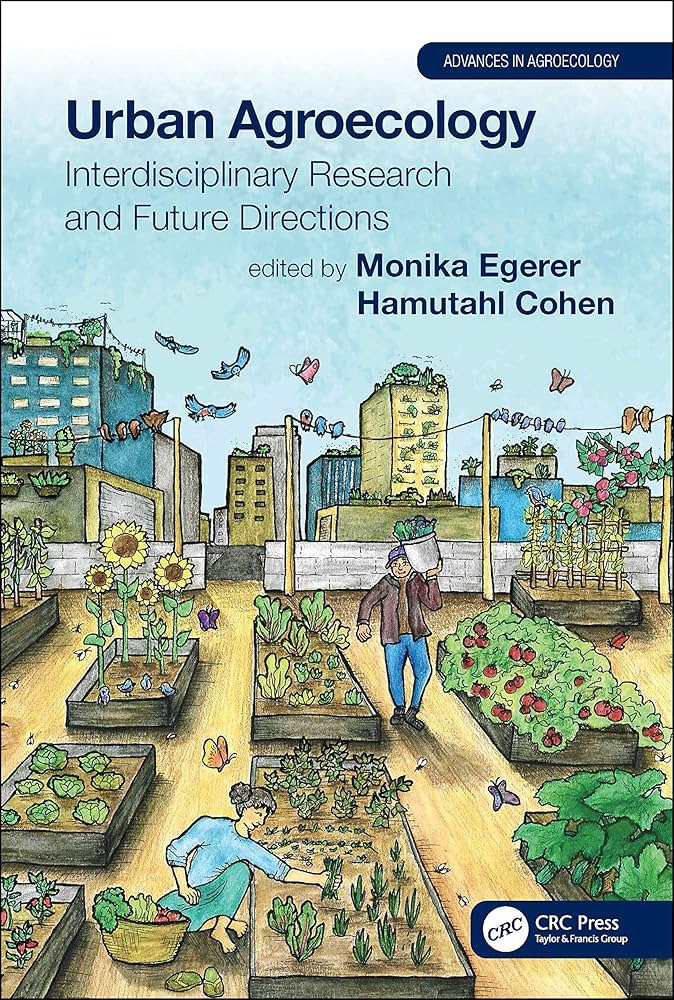
In today’s world, where the importance of preserving green spaces is increasingly emphasized, many terms related to agriculture and sustainability are often confused or lose their meaning. One such term is agroecology. To understand its significance, let’s break down what it entails.
1. Introduction to Agroecology
Agroecology is an approach that applies ecological principles to food production, including crops, biofuels, fibers, and pharmaceuticals, as well as agricultural system management. It’s not a specific practice, but rather a broader philosophy that seeks to program and execute eco-friendly interventions in agriculture. While technology plays a crucial role in agroecology, it doesn’t solely rely on modernity; instead, it also draws from ancient wisdom when necessary.
Agroecology is interpreted differently in various contexts, including environmental, social, and cultural factors. In some regions, like North America and Europe, agroecology remains a purely scientific discipline without any political undertones. Conversely, in other parts of the world, such as Africa or South America, it’s often linked to struggles for social justice and economic equality.
2. Defining Agroecology
The Organization for Economic Co-operation and Development (OECD) defines agroecology as “the study of the relationship between agricultural practices and the environment.” It’s also referred to as the “study of interactions between plants, animals, humans, natural environments, and agricultural systems.”
Agroecology encompasses a wide range of topics, including soil science, entomology, ecology, genetics, economics, politics, law, and policy. This interdisciplinary approach allows agroecologists to tackle complex problems from multiple angles and create holistic solutions that benefit both people and the environment.
3. Agroecology in Urban Environments
Let’s explore how agroecology is applied in urban settings. In Western cities, we’re not just envisioning specific agricultural projects; instead, we’re focused on planning and implementing urban agriculture initiatives that preserve green spaces around residential areas. These efforts require careful consideration of the best approach for each situation.
Agroecology is a versatile concept that can be applied in various contexts, from rural to urban settings. By adopting an agroecological approach, we can create more sustainable food systems that benefit both people and the environment. Urban agriculture initiatives can include rooftop gardens, community plots, and greenhouses, among other projects.
4. The Principles of Sustainable Agroecology
Sustainability is one of the key principles driving agroecological practices. Alongside productivity, stability, and equity, these four principles form the foundation of sustainable agriculture. By balancing these elements, we can achieve a more equitable distribution of resources and minimize negative environmental impacts.
Some of the other important principles of sustainable agroecology include:
- Biodiversity: Maintaining genetic diversity in crops and promoting ecological interactions among plants and animals.
- Soil health: Promoting soil fertility and structure through organic amendments, crop rotation, and conservation tillage.
- Water management: Efficient use of water resources to minimize waste and ensure that all necessary water is used effectively.
- Integrated pest management (IPM): Managing pests and diseases in a holistic way, considering both chemical and non-chemical methods.
5. Agroecology: A New Perspective
Miguel A. Altieri, Clara I. Nicholls, and Luigi Ponti explore the concept of agroecology in their book “Agroecology: A Path Forward for a Crises Planet.” This book provides valuable insights into the latest trends and real-world applications of agroecological practices.
The authors highlight the importance of agroecology as a means to address global challenges such as climate change, food insecurity, and environmental degradation. They also emphasize the need for policy reforms and changes in agricultural practices to create more sustainable and equitable food systems.
6. Agroecology and the FAO
The Food and Agriculture Organization (FAO) has been actively promoting agroecology as a means to create more sustainable food systems worldwide. Their efforts aim to transform global agricultural production and consumption patterns, ensuring that our food systems become healthier and more environmentally friendly.
In 2013, the FAO published its “Vitality of Food Systems” report, which highlighted the need for sustainable agriculture practices and policy reforms to address global challenges such as climate change and poverty. The report also emphasized the importance of agroecology as a means to promote biodiversity, ecosystem services, and human well-being.
7. Case Studies: Successful Agroecological Practices
Let’s look at some examples of successful agroecological practices around the world:
- Rooftop gardens in Mexico City: These urban agriculture projects provide fresh produce to local communities while also creating green spaces that help mitigate urban heat island effects.
- Integrated pest management (IPM) in Brazil: IPM approaches have been successfully implemented in Brazilian coffee plantations, reducing the use of chemical pesticides and promoting ecological interactions among pests and crops.
- Agroforestry in Africa: Agroforestry practices, which involve integrating trees into agricultural landscapes, have been shown to improve soil fertility, reduce soil erosion, and promote biodiversity.
These case studies demonstrate the potential for agroecology to create positive change in our communities while also promoting sustainable agriculture practices and reducing environmental impacts.
8. Challenges and Opportunities
While there are many benefits associated with agroecological practices, there are also challenges that need to be addressed. Some of these include:
- Policy reforms: Encouraging policy changes to support agroecology initiatives can help create a more favorable business environment for sustainable agriculture.
- Education and training: Educating farmers and agricultural professionals about the benefits and principles of agroecology is crucial for promoting widespread adoption.
- Community engagement: Building partnerships with local communities, organizations, and businesses can help amplify the impact of agroecological initiatives.
9. Conclusion
Agroecology is an essential approach for creating a more sustainable future. By embracing its principles and practices, we can build a better world for all living beings. As we continue to navigate the complexities of food production and consumption, it’s essential that we prioritize sustainability and equity in our agricultural systems.
By adopting agroecological approaches, we can create more resilient ecosystems, improve human well-being, and promote ecological interactions among plants and animals. The power of agroecology lies in its ability to transform global agricultural production and consumption patterns, ensuring that our food systems become healthier and more environmentally friendly.
Frequently Asked Questions
- What is agroecology?
Agroecology is the application of ecological principles to food production and agricultural system management. It seeks to program and execute eco-friendly interventions in agriculture while leveraging modern technology where necessary. - How does agroecology relate to sustainability?
Agroecology emphasizes four key principles: productivity, stability, equity, and sustainability. By balancing these elements, we can create more sustainable food systems that benefit both people and the environment. - What is the role of technology in agroecology?
Technology plays a crucial role in agroecology, but it doesn’t solely rely on modernity. Instead, it also draws from ancient wisdom when necessary to achieve eco-friendly outcomes. - How can we apply agroecology in urban environments?
Agroecology can be applied in various contexts, from rural to urban settings. By adopting an agroecological approach, we can create more sustainable food systems that benefit both people and the environment. - What are some examples of successful agroecological practices?
Examples include sustainable agriculture initiatives, urban farming projects, and community-led conservation efforts. These projects demonstrate the potential for agroecology to create positive change in our communities.
If you enjoyed this article, be sure to follow me on Twitter, Facebook, Google+, or Instagram for more insightful content on sustainability, agriculture, and related topics!


