
(H1)
As we venture into the world of birds of prey, one species stands out for its unique characteristics and elusive nature – the Ural Owl. Native to the Eurasian continent, this owl has captivated ornithologists and bird enthusiasts alike with its striking appearance and intriguing behavior. In this article, we will delve into the fascinating world of the Ural Owl, exploring its habits, habitats, diet, breeding, and conservation status.
(H2)
A Brief Overview
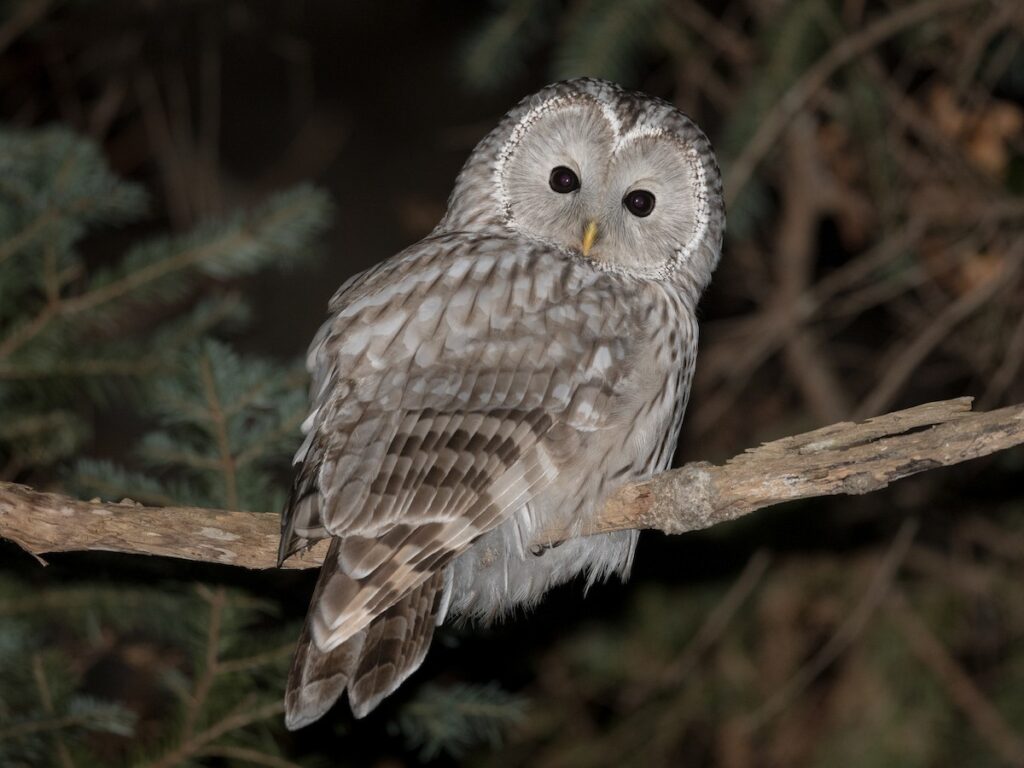
The Ural Owl (Strix uralensis) is a nocturnal bird of prey belonging to the Strigidae family. This owl species is widespread in Northern Europe but can also be found in Italy, particularly in the northernmost regions. With its distinctive appearance and impressive wingspan, the Ural Owl is a prized sighting for many nature enthusiasts.
(H3)
Physical Characteristics
The Ural Owl boasts impressive physical attributes, including:
- Wingspan: 105-116 cm (42-46 inches)
- Weight: 500-1,300 grams (17.6-45.9 ounces)
- Length: approximately 60 centimeters (23.6 inches)
This owl’s unique piumage features a distinctive ciuffo (tuft) of feathers surrounding the head and neck, setting it apart from other owl species.
(H4)
Distinguishing Features
When trying to identify an Ural Owl, look for the following distinguishing characteristics:
- Long tail feathers
- White or pale yellowish-brown plumage with darker mottling on the back and wings
- A distinctive tuft of feathers around the head and neck
(H5)
Sociological Aspects
The Ural Owl is known for its monogamous behavior, forming long-term pair bonds. Both male and female take turns incubating eggs and caring for their young.
However, when it comes to defending its territory or hunting rivals, the Ural Owl can be quite aggressive. It’s not uncommon to see them swoop down on unsuspecting birds or even attack other owls that enter their domain.
(H6)
Conservation Status
Despite facing threats such as habitat loss and climate change, the Ural Owl is currently listed as a species of “Least Concern” by the International Union for Conservation of Nature (IUCN). However, its population continues to decline in some areas due to these factors.
To mitigate this impact, conservation efforts should focus on protecting suitable habitats, such as mature forests and woodlands. Supporting sustainable land-use practices can also help safeguard Ural Owl populations.
(H7)
Interesting Facts
- The Ural Owl has been observed engaging in unique hunting strategies, including swooping down on unsuspecting prey or using tools to help catch its quarry.
- In some parts of Europe, the Ural Owl is considered a symbol of good luck or prosperity.
By understanding and appreciating these fascinating birds, we can work towards preserving their habitats and ensuring the long-term survival of this unique species.
(H8)
Habitat
The Ural Owl inhabits mature forests and woodlands in Northern Europe, including Italy’s northernmost regions. It is a widespread species but tends to avoid urban areas and human settlements.
To create suitable habitats for these owls, landowners can consider strategies such as:
- Leaving some areas of the forest unmanaged or ‘wild’
- Planting native tree species
- Reducing pesticide use
(H9)
Diet
The Ural Owl is primarily a carnivorous bird, feeding on a variety of small mammals, birds, and insects. Its diet consists mainly of:
- Small mammals like voles, mice, and shrews
- Birds such as songbirds, wrens, and sparrows
- Insects like beetles, grasshoppers, and crickets
The Ural Owl’s hunting strategy is often characterized by its use of stealth and surprise, allowing it to snatch unsuspecting prey from the forest floor or mid-air.
(H10)
Breeding
Ural Owls are known for their monogamous breeding habits, with pairs forming during the winter months. The breeding season typically begins in late February or early March, with males engaging in courtship displays to attract females.
Once paired, both male and female take turns incubating eggs and caring for their young. The female Ural Owl lays 2-4 eggs per clutch, which are white or pale yellowish-brown in color.
After hatching, the owlets remain dependent on their parents for several weeks before venturing out on their own.
(H11)
Conservation Efforts
To protect the Ural Owl and its habitat, conservation efforts should focus on:
- Protecting mature forests and woodlands from deforestation and urbanization
- Reducing pesticide use to minimize harm to owls and other wildlife
- Promoting sustainable land-use practices such as reforestation and afforestation
By working together to preserve the Ural Owl’s habitat and address the threats it faces, we can ensure the long-term survival of this unique species.
(H12)
Interesting Observations
In recent years, researchers have observed some fascinating behaviors in Ural Owls, including:
- Tool use: Ural Owls have been seen using sticks to help catch their prey, a behavior not typically observed in other owl species.
- Social learning: Young Ural Owls have been observed learning hunting strategies and social behaviors from their parents.
These observations highlight the complexity and adaptability of the Ural Owl, demonstrating its ability to thrive in a variety of environments.
(H13)
Conclusion
The Ural Owl is a unique and fascinating bird species that continues to captivate ornithologists and nature enthusiasts alike. By understanding its habits, habitats, diet, breeding, and conservation status, we can work towards preserving this species for future generations.
Through conservation efforts such as protecting mature forests and woodlands, reducing pesticide use, and promoting sustainable land-use practices, we can help safeguard the Ural Owl’s population and ensure its long-term survival.


