
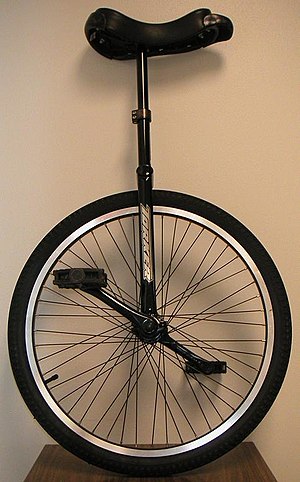
A monocycle is a revolutionary type of bicycle that has gained popularity among thrill-seekers and adventure enthusiasts. With only one wheel, this unique vehicle requires exceptional balance, skill, and nerve to operate. In this article, we’ll delve into the world of monocycles, exploring their design, functionality, benefits, and drawbacks.
What is a Monocycle?
A monocycle is a single-wheeled bicycle that has gained popularity among enthusiasts who crave excitement and adventure. Unlike traditional bicycles, which have two wheels, monocycles are designed to be more agile and responsive. However, this comes at the cost of increased difficulty in use, making them less suitable for casual riders.
Design and Components
A monocycle typically consists of a few key components: pedals, a fork, a tube, a saddle, and a wheel. The saddle has a unique shape designed to help riders find balance, with a concave surface that cradles the body. The wheel itself is prone to wobbling forward and backward, as well as lateral oscillations caused by body weight.
The Art of Balancing on One Wheel
Riding a monocycle requires an extraordinary amount of skill and balance. Unlike traditional bicycles, which have two wheels for stability, monocycles rely solely on the rider’s ability to maintain equilibrium. This demands intense focus, coordination, and practice to master.
Expertise and Acrobatics
For experienced riders, monocycles can be used to perform impressive acrobatic stunts, such as jumping and spinning. The single wheel allows for greater agility and responsiveness, making it an ideal choice for thrill-seekers who want to push their limits.
Why Choose a Monocycle?
While monocycles are less common than traditional bicycles, they offer several advantages. For one, they require less maintenance and upkeep, as there’s only one moving part (the wheel). Additionally, monocycles can be more efficient for short distances or navigating tight spaces.
Prices and Availability
One-wheeled bicycles vary in price depending on the model, size, and materials used. You can find a basic monocycle for under €100, making it an affordable option for those looking to try something new. In Italy, dealerships specialize in selling monocycles, offering a range of models with competitive prices.
How Does a Monocycle Work?
The single wheel is similar to that of a classic bicycle but features a special axle designed to control the rotation of the wheel directly from the pedals. This allows for precise and efficient movement. The fork rests on ball bearings at both sides of the wheel, providing additional stability.
Monocycle Maintenance and Care
To keep your monocycle in top condition, regular maintenance is essential. Check the tire pressure regularly and ensure the wheel is properly lubricated to prevent wear and tear. Additionally, practice balancing and riding techniques to improve your skills and confidence.
History of Monocycles
The concept of a single-wheeled bicycle dates back to the early 20th century. In the 1930s, Italian engineer Giuseppe Moretti created the first monocycle, which was called the “Monoz” or “One-Wheeler.” The design quickly gained popularity among enthusiasts and stunt riders.
Types of Monocycles
There are several types of monocycles available in the market today. Some popular models include:
- The Italian Classic: A traditional-style monocycle with a wooden frame, steel fork, and a classic handlebar.
- The Modern Mono: A modern design featuring an aluminum frame, carbon fiber fork, and high-performance wheels.
- The Mini-Mono: A compact version of the monocycle designed for smaller riders or urban commuting.
Advantages of Monocycles
Monocycles offer several advantages over traditional bicycles. Some benefits include:
- Increased agility: The single wheel allows for greater maneuverability and tighter turns.
- Improved balance: The rider must focus on maintaining equilibrium, which can improve overall balance and coordination.
- Enhanced reaction time: With a lighter weight and reduced resistance, monocycles require quicker reflexes to maintain control.
Disadvantages of Monocycles
Monocycles also have some drawbacks:
- Increased difficulty: Riding a monocycle requires more skill and practice than traditional bicycles.
- Reduced stability: The single wheel can make it difficult for riders to maintain balance, especially on uneven terrain.
- Higher maintenance costs: While the number of moving parts is reduced, monocycles require regular maintenance to ensure optimal performance.
Safety Considerations
When riding a monocycle, safety should be the top priority:
- Always wear protective gear: A helmet and knee pads are essential for reducing injury risk in case of an accident.
- Choose safe routes: Avoid busy roads or areas with hazardous obstacles.
- Practice balance techniques: Regular practice helps riders develop muscle memory and improve their overall riding skills.
Conclusion: Is a Monocycle Right for You?
Riding a monocycle can be an exhilarating experience, but it’s not for everyone. If you’re looking for a unique challenge that will push your limits, consider trying out a monocycle. However, if you’re new to cycling or prefer more stability and comfort, traditional bicycles may be the better choice.
FAQs
- What is the ideal surface for riding a monocycle?
The best surfaces for monocycle riding are smooth, flat, and dry. Avoid rough or uneven terrain, as this can compromise balance and control. - Can anyone ride a monocycle?
No, monocycles are not suitable for beginners. They require exceptional balance and skill to operate safely and effectively. - How often should I maintain my monocycle?
Regular maintenance is essential to keep your monocycle in top condition. Check tire pressure, lubricate the wheel, and practice balancing techniques regularly. - What is the maximum speed limit for monocycle riding?
The maximum speed limit varies depending on local laws and regulations. Typically, monocycles are limited to speeds of 20-30 km/h (12-18 mph) for safety reasons. - Can I use a monocycle for cargo transport?
No, monocycles are not ideal for carrying heavy loads or cargo due to their design and weight distribution. Traditional bicycles are better suited for these tasks. - How much does it cost to purchase a monocycle?
Prices vary depending on the model, size, and materials used. Basic monocycles can be purchased for under €100. - Where can I find dealerships selling monocycles?
You can find dealerships in Italy that specialize in selling monocycles. Online marketplaces also offer a range of monocycle models from various manufacturers. - Is it safe to ride a monocycle at night or on wet surfaces?
No, riding a monocycle at night or on wet surfaces is not recommended due to reduced visibility and increased risk of accidents. Always ride during daylight hours and in dry conditions whenever possible.


