
Introduction
When it comes to heating systems, there are many options available. One type of system that is gaining popularity is the ground floor heating system. In this article, we will discuss the pros and cons of these systems, their advantages and disadvantages, and provide a detailed explanation of how they function.
What are Ground Floor Heating Systems?
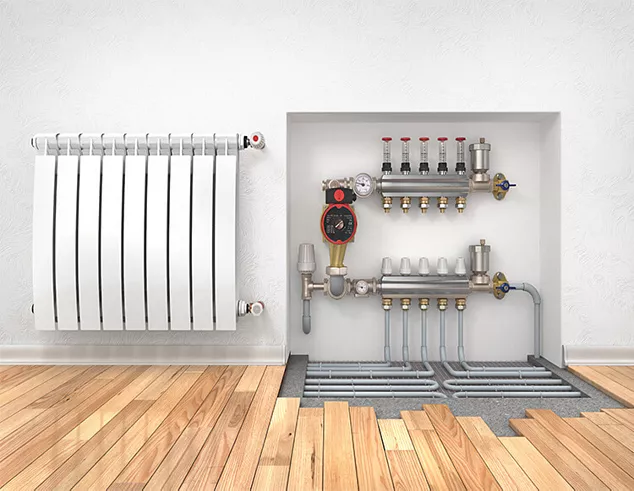
Ground floor heating systems are a type of heating system that involves installing heating elements, such as pipes or electric mats, under the floor to warm up the space. This type of system is also known as in-slab heating.
Pros and Cons of Ground Floor Heating Systems
Pros
- Energy Efficiency: Ground floor heating systems can be more energy efficient than traditional radiators because they use less energy to heat a larger surface area.
- Comfort: The warm floor can provide a comfortable feeling, especially in cold climates where the temperature is low.
- Low Maintenance: Ground floor heating systems are generally easy to maintain and require little upkeep.
- Long Lasting: Ground floor heating systems can last for many years with proper maintenance and care.
- Variety of Options: There are several types of ground floor heating systems available, including water-based, electric, and hybrid systems.
Cons
- High Installation Costs: Installing a ground floor heating system can be expensive due to the cost of materials and labor.
- Space Requirements: The space under the floor must be large enough to accommodate the heating elements, which can be a challenge in smaller homes.
- Potential Damage: If not installed correctly, the heating elements can cause damage to the floor or surrounding structures.
- Moisture Issues: Ground floor heating systems can create moisture issues if not properly ventilated, which can lead to mold and mildew growth.
- Noise: Some ground floor heating systems can be noisy due to the circulating water or electricity used in the system.
How Ground Floor Heating Systems Work
Ground floor heating systems typically involve installing pipes or electric mats under the floor. The pipes are filled with hot water or steam, which is distributed throughout the space through a network of tubes. Alternatively, electric mats are used, which can be connected to a thermostat to regulate temperature.
Types of Ground Floor Heating Systems
There are several types of ground floor heating systems available, including:
- Water-Based Systems: These systems use pipes filled with hot water or steam to heat the space.
- Electric Systems: These systems use electric mats or panels to warm up the space.
- Hybrid Systems: These systems combine both water-based and electric elements.
Advantages of Ground Floor Heating Systems
Ground floor heating systems have several advantages, including:
- Uniform Temperature: The warm floor can provide a uniform temperature throughout the space, reducing drafts and cold spots.
- Increased Comfort: The warm floor can increase comfort levels, especially in cold climates where the temperature is low.
- Reduced Energy Bills: Ground floor heating systems can be more energy efficient than traditional radiators, resulting in reduced energy bills.
- Long Lasting: Ground floor heating systems can last for many years with proper maintenance and care.
Disadvantages of Ground Floor Heating Systems
Despite their advantages, ground floor heating systems also have several disadvantages, including:
- High Installation Costs: Installing a ground floor heating system can be expensive due to the cost of materials and labor.
- Space Requirements: The space under the floor must be large enough to accommodate the heating elements, which can be a challenge in smaller homes.
- Potential Damage: If not installed correctly, the heating elements can cause damage to the floor or surrounding structures.
Conclusion
Ground floor heating systems are a viable option for those looking to warm up their space. While they have several advantages, including energy efficiency and comfort, they also have some disadvantages, such as high installation costs and potential damage if not installed correctly. By understanding how these systems work and weighing the pros and cons, individuals can make an informed decision about whether or not a ground floor heating system is right for them.
FAQs
Q: What are the benefits of using a ground floor heating system?
A: Ground floor heating systems offer several benefits, including energy efficiency, comfort, low maintenance, long lasting, and variety of options. They also provide a uniform temperature throughout the space and can increase comfort levels in cold climates.
Q: How do ground floor heating systems work?
A: Ground floor heating systems typically involve installing pipes or electric mats under the floor. The pipes are filled with hot water or steam, which is distributed throughout the space through a network of tubes. Alternatively, electric mats are used, which can be connected to a thermostat to regulate temperature.
Q: What are some disadvantages of using a ground floor heating system?
A: Some disadvantages of using a ground floor heating system include high installation costs, potential damage if not installed correctly, and the need for space under the floor to accommodate the heating elements. They also create moisture issues if not properly ventilated, which can lead to mold and mildew growth.
Q: Can I use a ground floor heating system in smaller homes?
A: While it can be more challenging to install a ground floor heating system in smaller homes, it is possible. The space under the floor must be large enough to accommodate the heating elements, and careful planning and design are required to ensure that the system functions correctly.
Q: How do I maintain my ground floor heating system?
A: Ground floor heating systems require minimal maintenance. It’s recommended to check the temperature regularly and replace any damaged or worn-out components as needed.
Common Mistakes to Avoid When Installing a Ground Floor Heating System
When installing a ground floor heating system, there are several mistakes that can be made. Some of these mistakes include:
- Insufficient Space: The space under the floor must be large enough to accommodate the heating elements.
- Incorrect Installation: If not installed correctly, the heating elements can cause damage to the floor or surrounding structures.
- Inadequate Ventilation: Ground floor heating systems can create moisture issues if not properly ventilated, which can lead to mold and mildew growth.
By understanding these common mistakes and taking steps to avoid them, individuals can ensure that their ground floor heating system functions correctly and provides years of comfort and warmth.


