
Introduction
As the world shifts towards more sustainable and energy-efficient living solutions, electric floor heating systems have become an increasingly popular choice for homeowners. But what exactly are these systems, and how can they benefit your home? In this article, we’ll delve into the world of electric floor heating systems, exploring their benefits, installation options, and latest generation technologies.
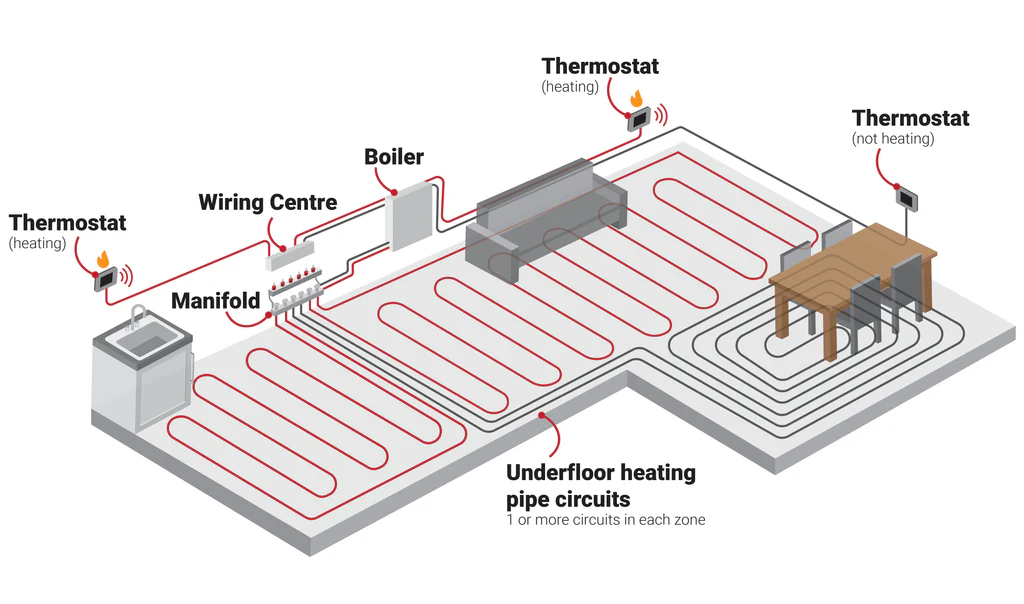
What is a Floor Heating System?
A floor heating system can be powered by a variety of energy sources, including thermostats, geothermal systems, or electricity. Thermostats can be fueled by gas or biomass, while solar thermal systems produce hot water that can be used to warm your home.
Benefits of Electric Floor Heating Systems
When it comes to electric floor heating systems, there are several benefits to consider:
- Efficiency: Electric floor heating systems are more efficient than traditional water-based heating systems.
- Comfort: Heat is distributed uniformly from beneath the flooring, ensuring maximum comfort and physiological warmth.
- Convenience: With no long waiting times between activation and perception of warmth, you can enjoy a cozy and comfortable living space without interruption.
Understanding Thermal Inertia
Thermal inertia refers to the time it takes for an object to reach its final temperature. Unlike traditional heating systems that rely on thermostats or radiators, electric floor heating systems minimize thermal inertia by warming the room from beneath the flooring.
Building Renovation and Tax Benefits
When it comes to installing a floor heating system in your home, there are tax benefits to consider:
- Fiscal Relief: Until December 31st, 2016, renovation works entitle you to fiscal benefits. The tax relief amounts to 50% of expenditure under standard conditions.
- Energy Efficiency: If the installation involves an improvement in energy efficiency (certified with an attestate of performance), the tax relief increases to 65%.
- Gradual Reduction: From 2017, fiscal benefits will gradually decrease and touch lower percentages.
Installing a Floor Heating System
When it comes to installing a floor heating system, there are several considerations to keep in mind:
- New Constructions or Renovations: In cases of new constructions or renovations, a subfloor heating system is easy to install even if there are additional works required for existing flooring.
- Old Flooring Replacement: The old flooring must be removed and replaced, as well as the battiscopa, and the margins of doors and windows need to be reviewed.
Latest Generation Floor Heating Systems
These systems require increasingly thinner spacers:
- Harden 2000 Electric Floor Heating System: Has a thickness of only 3 mm and can be placed directly on the massette or submerged in the adhesive of mattonelles.
- Floating Floor Compatibility: This type of flooring can be mounted and fixed under any floating floor.
Radiant Floor Rolls
Not only tubes and serpentine need to be submerged under the flooring. Radiant flooring rolls integrate clips premonted that host the serpentine providing heat:
- Installation Ease: The rolls are easily fixed together by a nailing tape that also plays the role of insulation.
- Humidity Control: Thanks to the insulating tape, humidity rises up from the massette is halted.
Case Study: Installing an Electric Floor Heating System in a Modern Home
A modern home with a large living room and kitchen required a new heating system. After considering various options, it was decided to install an electric floor heating system beneath the flooring. The installation process was straightforward, and the benefits of this type of system were immediately apparent.
Benefits of Electric Floor Heating Systems in Historic Buildings
Historic buildings can also benefit from electric floor heating systems:
- Preservation: Electric floor heating systems are a non-invasive solution that preserves the original architecture and structure of historic buildings.
- Energy Efficiency: These systems offer energy efficiency and reduce the load on traditional heating systems.
Conclusion
In conclusion, electric floor heating systems offer a modern and efficient way to warm your home. With their numerous benefits and tax incentives, it’s no wonder that these systems are gaining popularity worldwide.
Frequently Asked Questions (FAQs)
1. What are the benefits of electric floor heating systems?
Electric floor heating systems offer efficiency, comfort, convenience, and a reduced risk of thermal inertia.
2. Are there tax benefits for installing a floor heating system in my home?
Yes, until December 31st, 2016, renovation works entitle you to fiscal benefits. The tax relief amounts to 50% of expenditure under standard conditions, while if the installation involves an improvement in energy efficiency, the tax relief increases to 65%.
3. How do I install a floor heating system in my home?
The installation process requires careful consideration of the old flooring, battiscopa, and margins of doors and windows.
4. What are the latest generation floor heating systems available?
These systems require increasingly thinner spacers and can be placed directly on the massette or submerged in the adhesive of mattonelles.
5. Are radiant floor rolls a viable option for electric floor heating systems?
Yes, these rolls integrate clips premonted that host the serpentine providing heat and are easily fixed together by a nailing tape that also plays the role of insulation.
6. How do I ensure humidity control with radiant floor rolls?
The insulating tape used in radiant floor rolls helps to halt humidity rises up from the massette.
7. Are electric floor heating systems suitable for all types of flooring?
Yes, these systems can be mounted and fixed under any floating floor.
8. How long does it take to warm up with an electric floor heating system?
The warming-up time depends on various factors such as the type of system used, the size of the room, and the insulation level of the space.


