
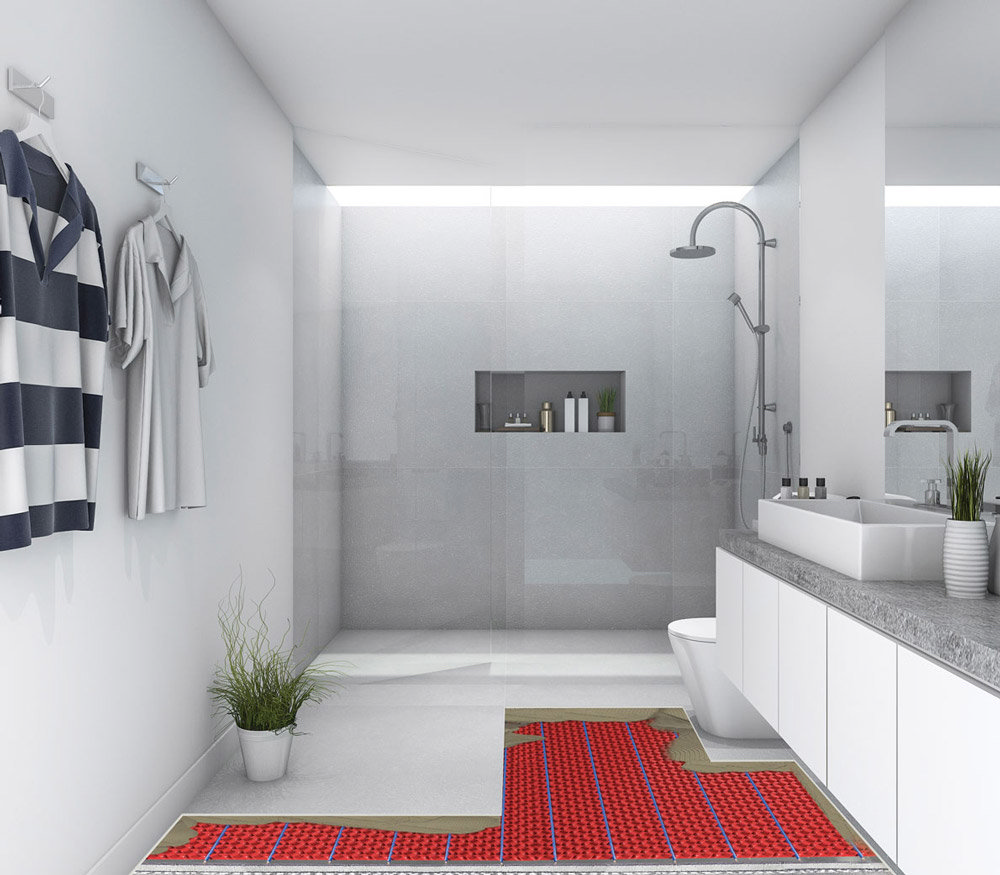
As we enter our homes after a long day, there’s nothing quite like stepping into a warm and cozy bathroom. But have you ever stopped to think about how your bathroom could be even warmer and more comfortable? One solution that’s gaining popularity is radiant floor heating, specifically designed for bathrooms.
Why Radiant Floor Heating Matters in the Bathroom
The bathroom is where we take care of our bodies, ensuring good hygiene and relaxation. As such, it requires a higher level of warmth than other areas of the home. A warm bathroom is not just a luxury; it’s essential for creating a relaxing atmosphere that makes us feel pampered.
When considering different heating solutions for your bathroom, it’s crucial to think about various factors: system types, materials, bathroom size, design, and technical values. In recent years, many homeowners have adopted radiant floor heating as their preferred method of warming up their bathrooms.
Understanding Radiant Floor Heating
Radiant floor heating works by distributing heat evenly throughout the room in a way that’s compatible with human physiology. To maximize comfort, the heat source should target areas where our feet and legs naturally require warmth most – not just the head or torso. This approach ensures optimal thermal efficiency and creates a cozy atmosphere.
How Radiant Floor Heating Works
Radiant floor heating involves installing pipes under your bathroom floor to circulate hot water or hydronic fluid. As the fluid flows through the pipes, it transfers heat directly to your feet and legs, creating a warm and comfortable environment. This type of heating system is particularly effective in bathrooms because it can provide consistent warmth throughout the room.
Benefits of Radiant Floor Heating
Radiant floor heating offers numerous benefits for bathroom warmth, comfort, and energy efficiency. Some of the key advantages include:
- Comfort: Radiant floor heating provides consistent warmth throughout the room, ensuring comfort during both hot showers and relaxing baths.
- Energy Efficiency: The heat is distributed directly to where it’s needed most, reducing energy waste and making the system more efficient.
- Low Maintenance: Radiant floor heating systems require minimal maintenance, as they don’t have moving parts or filters to clean.
- Long-Lasting: Radiant floor heating systems can last for decades with proper installation and maintenance.
Designing Your Radiant Floor Heating System
To create a comfortable bathroom environment, integrate radiant floor heating with other systems such as:
- A hot water tank or boiler
- An electric heater
Ensure that the radiators and heat source are placed strategically to provide warmth evenly throughout the room.
A well-designed system of radiant floor heating can significantly improve your bathroom’s ambiance. To achieve this, consider the following factors when installing a radiating system:
- Temperature control: The temperature should be maintained between 18°C to 24°C (64°F – 75°F) for optimal comfort.
- Insulation: Proper insulation is necessary to minimize heat loss and ensure efficient operation of the heating system.
- Installation: Radiant floor heating requires proper installation, including trenching and piping, to prevent damage to the structure and ensure a safe and effective heating solution.
Types of Radiant Floor Heating Systems
There are several types of radiant floor heating systems available, each with its own unique benefits and drawbacks. Some of the most common types include:
- Hydronic: Hydronic systems use hot water or hydronic fluid to distribute heat throughout the room.
- Electric: Electric radiators use electric elements to warm up the air in the bathroom.
- Infrared: Infrared systems use infrared radiation to warm up the objects and people in the room.
When choosing a radiant floor heating system, consider factors such as:
- Budget: Different types of systems can vary significantly in price, so it’s essential to set a budget before making a decision.
- Space constraints: Consider the size of your bathroom and whether a particular type of system will fit comfortably.
Maintenance and Repair
Regular maintenance is necessary to ensure that your radiant floor heating system operates efficiently and effectively. Some common tasks include:
- Cleaning the radiators: Use a soft brush or cloth to clean the radiators and remove any debris or dirt.
- Checking for leaks: Inspect the pipes and connections for signs of damage or leakage.
- Replacing worn-out components: Replace any worn-out components, such as thermostats or valves.
Conclusion
Radiant floor heating offers numerous benefits for bathroom warmth, comfort, and energy efficiency. By understanding its principles, benefits, and installation requirements, you can create a warm and inviting bathroom space that suits your needs perfectly.


