
Introduction
In a historic move, the United Nations (UN) has declared the decade of 2021-2030 as the “Decade of the Oceans”. This initiative aims to raise awareness and attention to the world’s oceans, which are often overlooked but play a crucial role in maintaining the health of our planet. In this article, we will explore the priorities set by the UN for this decade, the challenges facing our oceans, and the importance of protecting these vital ecosystems.
Why a Decade of Oceans?
The concept of a Decade of Oceans is built on the understanding that our oceans are a finite resource that requires urgent attention to mitigate the impacts of human activities. The UN emphasizes that “interventions can be effective only if they are based on solid scientific knowledge” (UN, 2020). To achieve this goal, it’s essential to develop a deeper understanding of the world’s oceans and their ecosystems.
Priorities for the Decade
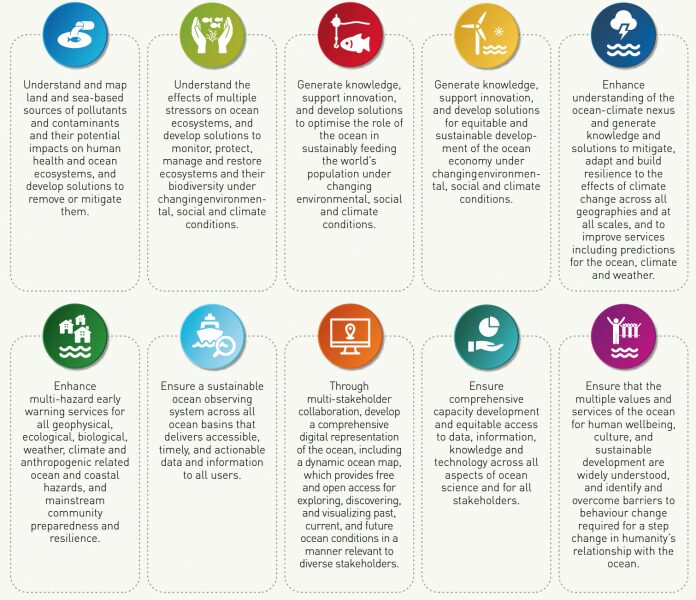
The UN has outlined several key priorities for the Decade of Oceans:
- Developing a comprehensive digital atlas of the world’s oceans: This atlas will provide a detailed map of the ocean’s physical features, including currents, tides, and marine life. It will also help to identify areas that require conservation efforts.
- Establishing a global monitoring system for ocean health: A global monitoring system will enable scientists to track changes in ocean health, detect early warning signs of environmental degradation, and respond quickly to emerging threats.
- Conducting research on marine ecosystems and their dynamics: Research is essential for understanding the complex interactions between human activities, climate change, and marine ecosystems. This research will inform conservation efforts and help policymakers make informed decisions.
- Creating an integrated warning system for multiple ocean-related threats: An integrated warning system will provide a comprehensive alert system that can detect changes in ocean health and respond quickly to emerging threats.
- Incorporating social sciences, humanistic studies, and economic assessments into ocean conservation efforts: This approach recognizes the importance of understanding the social, cultural, and economic aspects of ocean management. It will help policymakers develop more effective solutions that balance human needs with environmental protection.
The Health of Our Oceans
Globally, 40% of the world’s oceans are in poor health, according to the UN Development Programme (UNDP) (2020). The decline of ocean health has severe consequences for our planet, including:
- 8 million tons of plastic entering the ocean each year: Plastic pollution is one of the most pressing issues facing our oceans. Plastic waste harms marine life, contaminates the food chain, and contributes to climate change.
- 35% of fish stocks being fished at unsustainable levels: Overfishing is a major threat to the health of our oceans. It depletes fish populations, damages ecosystems, and exacerbates poverty in communities that depend on fishing.
- Rising sea levels due to climate change: Climate change is causing sea levels to rise, threatening coastal communities, habitats, and ecosystems.
The loss of biodiversity in our oceans can have catastrophic effects on ecosystems and human societies. For example, it’s estimated that 300 million people will be displaced by rising sea levels within the next few decades.
Protecting Our Oceans: A Global Challenge
The health of our oceans is a global concern, requiring immediate attention from governments, businesses, civil society, and individuals. Protecting our oceans is not only essential for maintaining biodiversity but also has significant economic benefits. The oceans contribute 3% to the world’s GDP (UNDP, 2020) and support 3 billion people through fishing and tourism.
Books on Oceans
To deepen your understanding of our oceans, we recommend the following books:
- “The Ocean at the End of the Lane” by Neil Gaiman: This novel explores the magical world of the ocean and its impact on human lives.
- “The Blue Planet” by BBC: This documentary series provides an in-depth look at the marine ecosystem and highlights the importance of protecting our oceans.
- “Ocean: A Natural History” by Callum Roberts: This book offers a comprehensive overview of the ocean’s ecosystems, from coral reefs to deep-sea trenches.
Conservation Efforts
There are many organizations and initiatives working tirelessly to protect our oceans. Some notable examples include:
- The Ocean Conservancy: This organization works to protect marine wildlife, promote sustainable fishing practices, and advocate for ocean policy.
- The World Wildlife Fund (WWF): The WWF is a global organization that works to conserve nature and reduce the most pressing threats to the diversity of life on Earth.
- The Sea Shepherd Conservation Society: This organization uses direct action to defend marine wildlife from threats such as overfishing, pollution, and habitat destruction.
Individual Actions
While conservation efforts are essential, individual actions can also make a significant difference. Some simple ways to protect our oceans include:
- Reducing plastic use: Single-use plastics are a major contributor to ocean pollution. By reducing your use of plastics or switching to reusable alternatives, you can help reduce the amount of waste that enters our oceans.
- Choosing sustainable seafood: Choosing sustainable seafood options can help reduce overfishing and promote responsible fishing practices.
- Supporting marine conservation efforts: Donate to organizations working on ocean conservation or participate in beach cleanups to make a difference.
Conclusion
The Decade of the Oceans represents a critical moment for humanity to come together and address the pressing challenges facing our planet’s oceans. By working together, we can ensure the long-term health and sustainability of our oceans, which are essential for maintaining biodiversity, supporting human societies, and mitigating climate change.
Frequently Asked Questions (FAQs)
-
What is the Decade of Oceans?
The Decade of Oceans is a UN-led initiative that aims to raise awareness and attention to the world’s oceans, which are often overlooked but play a crucial role in maintaining the health of our planet. -
Why is protecting the oceans important?
Protecting the oceans is essential for maintaining biodiversity, supporting human societies, and mitigating climate change. -
What are the priorities for the Decade of Oceans?
The UN has outlined several key priorities, including developing a comprehensive digital atlas of the world’s oceans, establishing a global monitoring system for ocean health, conducting research on marine ecosystems, creating an integrated warning system, and incorporating social sciences and economic assessments into ocean conservation efforts. -
What are some of the biggest threats facing our oceans?
The biggest threats to our oceans include pollution, overfishing, climate change, and plastic waste. -
How can I contribute to protecting the oceans?
You can contribute by spreading awareness about the importance of ocean protection, supporting organizations working on ocean conservation, reducing your carbon footprint, and making sustainable lifestyle choices. -
What is the significance of the oceans in terms of economic benefits?
The oceans contribute 3% to the world’s GDP (UNDP, 2020) and support 3 billion people through fishing and tourism. -
How can I learn more about the Decade of the Oceans?
You can visit the UN website for more information on the Decade of the Oceans and its priorities. Additionally, you can explore books, documentaries, and online resources to deepen your understanding of our oceans. -
What is the role of social sciences in ocean conservation?
Social sciences play a crucial role in ocean conservation by providing insights into human behaviors, cultural values, and economic systems that impact the oceans.


