
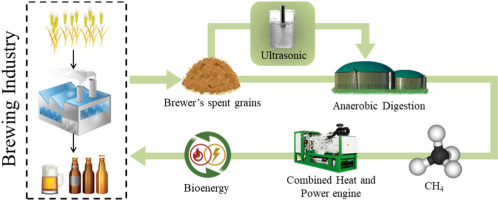
As we explore the latest innovations in biogas production at this year’s BioEnergy Italy, one exciting technology is making waves: ultrasonic technology. This cutting-edge solution has the potential to revolutionize the way we produce biogas, particularly in challenging environments where traditional methods struggle.
A New Frontier in Biogas Technology
At BioEnergy Italy, a German company called Weber Entec GmbH will be showcasing their latest advancements in ultrasonic technology for biogas production. This innovative approach has been gaining attention worldwide, with significant improvements in biogas yield reported in Germany.
So, what exactly is ultrasonic technology? In simple terms, it involves using sound waves to break down and process biomass (the raw material used to produce biogas). This process enhances digestion, eliminates impurities, and accelerates the biological breakdown of organic matter within the digestor.
The Science Behind Ultrasonic Technology
Ultrasonic technology is based on the principle that high-frequency sound waves can create cavitation in liquids. Cavitation is a phenomenon where bubbles form and collapse rapidly, releasing energy in the process. In the context of biogas production, this energy release creates an environment that fosters microbial growth and enhances digestion.
When ultrasonic waves are applied to biomass, they cause the particles to break apart into smaller fragments. This increased surface area allows microorganisms to more easily access and digest the biomass, leading to faster and more efficient conversion processes.
Key Benefits of Ultrasonic Technology
The benefits of ultrasonic technology for biogas production are multifaceted:
- Increased Efficiency: By breaking down biomass into smaller particles, ultrasonic technology enhances digestion and accelerates the biological breakdown process.
- Improved Biogas Yield: Studies have shown that ultrasonic technology can increase biogas yield by up to 25% in challenging environments where traditional methods struggle.
- Reduced Maintenance Costs: By minimizing impurities and promoting microbial growth, ultrasonic technology reduces maintenance costs associated with biogas plant operation.
- Increased Flexibility: Ultrasonic technology can be seamlessly integrated into existing biogas plants, allowing for immediate comparison between before-and-after states.
Business Case: Unlocking the Potential of Ultrasonic Technology
Weber Entec GmbH’s entry into BioEnergy Italy marks an exciting milestone in promoting this cutting-edge solution to the global market. With the potential to increase biogas production and reduce costs, ultrasonic technology presents a compelling opportunity for industries looking to innovate and improve their operations.
The estimated investment required for an ultrasonic-enhanced biogas plant capable of producing 1 MW of electricity is around €110,000. This represents a significant return on investment, particularly when compared to traditional methods that may require substantial capital expenditures.
Real-World Applications: Overcoming Biogas Production Challenges
Ultrasonic technology offers numerous real-world applications, including:
- Enhancing Digestion in Anaerobic Digester Systems: By breaking down biomass into smaller particles, ultrasonic technology enhances digestion and accelerates the biological breakdown process.
- Reducing Impurities in Compost: Ultrasonic technology can be used to minimize impurities in compost, reducing the need for additional processing steps.
- Improving Microbial Growth in Fermentation Systems: By creating an environment that fosters microbial growth, ultrasonic technology enhances fermentation efficiency.
Conclusion
As we explore the vast possibilities of ultrasonic technology for biogas production at BioEnergy Italy, it becomes clear that this is a trend worth paying attention to. With its numerous benefits and potential for substantial cost savings, this innovation has the power to transform the industry. As we move forward into the future, one thing is certain: the next breakthrough in biogas technology could be just around the corner.
Frequently Asked Questions
Q: What exactly are ultrasonic waves?
A: Ultrasonic waves are high-frequency sound waves with frequencies above 20 kHz.
Q: How do ultrasonic waves work in biogas production?
A: By breaking down and processing biomass, making it more accessible to microorganisms in the digestor.
Q: Can ultrasonic technology be used on existing biogas plants?
A: Yes, it can be seamlessly integrated into existing biogas plants, even those that may not have been upgraded recently.
Q: What is the estimated investment required for an ultrasonic-enhanced biogas plant?
A: Around €110,000 for a 1 MW plant.
Q: Can ultrasonic technology improve biogas production regardless of biomass quality?
A: Yes, it can increase biogas production by up to 25% regardless of biomass quality.
Q: How long does it take to implement an ultrasonic-enhanced biogas plant?
A: The implementation time depends on the size and complexity of the project.
Q: Can ultrasonic technology be used in conjunction with other technologies for enhanced biogas production?
A: Yes, it can be combined with other technologies to achieve even better results.


