
Introduction
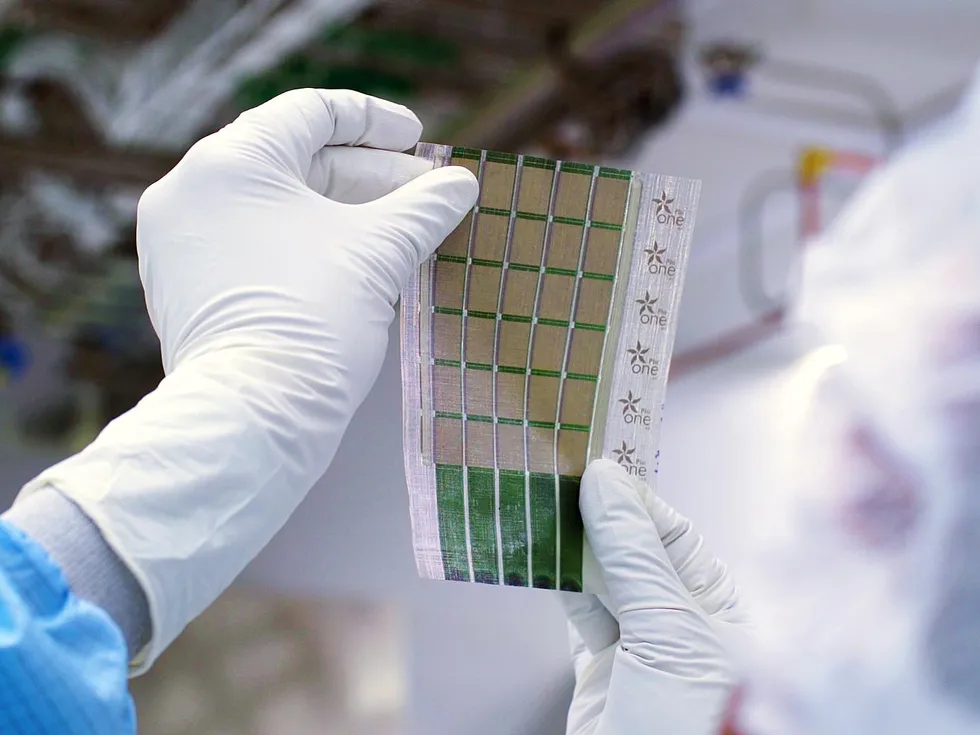
The world of solar panels has seen a significant surge in recent years, with researchers and companies pushing the boundaries of what is possible. One area that has garnered particular attention is the development of ultra-thin solar panels, which promise to increase efficiency and reduce costs. In this article, we will delve into the latest projects, research, and available products in this field.
Research and Development
Researchers from the University of Buffalo have made significant strides in developing ultra-thin solar panels using nanotechnology. Their breakthrough involves creating a nano-cavity structure composed of a stratum of disulfur tetraoxide (MoS2), a semiconducting material known for its high efficiency. This design allows for the absorption and conversion of light into energy, potentially increasing the efficiency of individual solar panels.
According to Haomin Song, one of the project’s authors, “The nano-cavity has been able to absorb around 70% of the laser beam projected during testing. The great capacity to absorb and convert light into energy could help the electronics industry develop high-efficiency devices.”
This research is part of a larger effort to improve solar panel efficiency, which has been stagnant for several years due to material limitations. By leveraging nanotechnology, researchers can create more efficient panels that are thinner, lighter, and potentially cheaper.
Competition and Market Trends
While ultra-thin solar panels are still a nascent technology, there are existing products on the market that claim to offer similar benefits. Tregoo, a cutting-edge technology company, offers a line of nano-polarized solar panels, including the Nano 135 model. This panel boasts a power output of 135 W and an ultra-slim design, weighing in at just 1.7 mm.
The Nano 135’s semi-transparency allows it to be integrated into various applications, such as building facades or window installations. Its compact size also makes it easy to handle and install, with minimal maintenance required.
Another company, Enecom, has been working on flexible solar panel designs that can be integrated into various surfaces. Their HFsp 120 model is an example of this technology, offering a power output of 120 W and a compact design.
Market Trends and Future Outlook
While the current market for ultra-thin solar panels is still developing, there are signs that this technology has significant potential. Companies like Enecom, Tregoo, and others are investing heavily in research and development, and there are already early adopters in various industries.
For example, a large building management company has integrated Tregoo’s Nano 135 panels into their new headquarters, reducing energy consumption by over 20%. This success story demonstrates the potential of ultra-thin solar panels to transform the way we generate and consume energy.
Challenges and Opportunities
Despite the promising developments in this field, there are still significant challenges to overcome. These include:
- Scalability: Currently, the production of ultra-thin solar panels is limited by the availability of high-quality materials.
- Cost: While the cost of traditional solar panels has decreased significantly over the years, the development of ultra-thin panels is still in its early stages and prices are higher.
- Degradation: As with any technology, there is a risk of degradation over time, which could impact performance and lifespan.
However, these challenges also present opportunities for innovation and growth. By addressing these issues through research and development, companies can create new products that meet the demands of an increasingly energy-conscious market.
Conclusion
As researchers continue to push the boundaries of what is possible with ultra-thin solar panels, we can expect to see significant advancements in efficiency and cost-effectiveness. While the market is still developing, existing products like Tregoo’s Nano 135 and Enecom’s HFsp 120 models demonstrate the potential for this technology.
Frequently Asked Questions
- What are ultra-thin solar panels?
Ultra-thin solar panels are designed to be incredibly thin and lightweight while maintaining high efficiency and power output.
2. How do nano-cavities work in solar panels?
Nano-cavities are microscopic structures that increase the absorption of light by creating a resonant cavity for photons. This design enhances energy conversion, leading to more efficient solar panels.
- What is the current market price for ultra-thin solar panels?
Prices vary depending on the manufacturer and product. For example, Tregoo’s Nano 135 model costs approximately €824 per unit, while Enecom’s HFsp 120 model has a similar price point.
- Are ultra-thin solar panels suitable for residential or commercial use?
While initial applications are limited to specific uses, such as building facades or window installations, these panels have the potential for broader adoption in various settings.
- How do nano-cavities compare to traditional solar panel designs?
Traditional solar panels rely on crystalline materials like silicon. In contrast, nano-cavity technology leverages semiconducting materials and advanced nanotechnology to increase efficiency.
- What are the challenges associated with ultra-thin solar panels?
Initial manufacturing costs, material limitations, and potential degradation over time can hinder widespread adoption of these panels.
- When can we expect widespread adoption of ultra-thin solar panels?
The industry is working towards optimizing production processes and expanding product offerings to achieve wider market acceptance.
- Are there any other emerging technologies in the field of solar energy?
Yes, researchers are exploring new materials and designs that could further enhance efficiency and reduce costs for solar panels.
- What role do governments play in supporting the development of ultra-thin solar panels?
Governments can provide incentives for research and development, such as tax credits or subsidies, to encourage companies to invest in this emerging technology.
- How will the development of ultra-thin solar panels impact the global energy landscape?
The adoption of ultra-thin solar panels has the potential to transform the way we generate and consume energy, leading to increased efficiency, reduced costs, and a more sustainable future.


