
Introduction
When it comes to wine, there’s no shortage of options. With countless types of wine available, it can be overwhelming to navigate the world of wine. In this article, we’ll delve into the various types of wine, exploring their characteristics, production methods, and popular varieties.
Classification of Wines
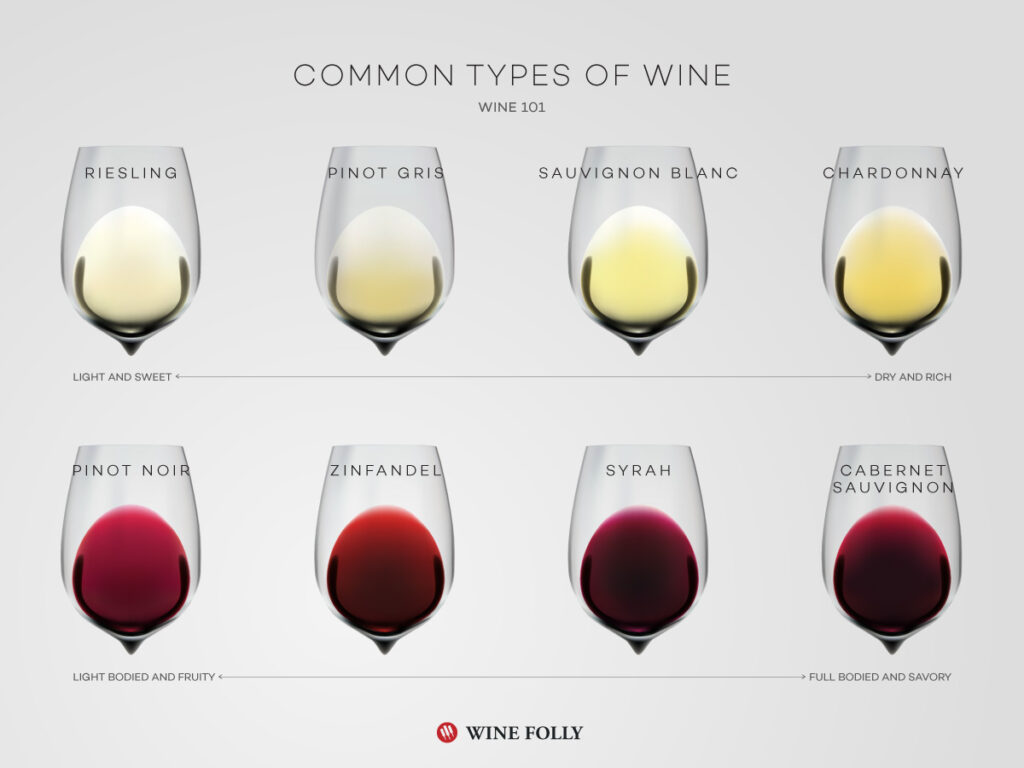
Before we dive into specific types of wine, let’s start with a general classification system. Wines can be broadly categorized into three main groups: red, white, and sparkling. Within these categories, there are numerous sub-types, each with its unique characteristics.
Red Wines
Red wines are made from grapes that have been crushed to release their juice and skins. The length of time the grape skins remain in contact with the wine can vary greatly, affecting the final product. Red wines can range from young and fruity to complex and aged.
- Young Red Wines: These wines are typically made from grapes that have been pressed immediately after crushing, resulting in a light-bodied wine with minimal tannins.
- Aged Red Wines: These wines are allowed to age for several years, developing complex flavors and aromas.
- Bordeaux Blend: A classic blend of red wines from the Bordeaux region of France, typically made from Cabernet Sauvignon, Merlot, and other grape varieties.
White Wines
While white wines are often associated with clear or pale-colored grape skins, some whites can also be made from red-skinned grapes. The production method used in this case is called “white pressing,” where the grape skins are removed early during fermentation.
- Un-oaked White Wines: These wines are aged in stainless steel tanks, resulting in a crisp and refreshing flavor profile.
- Oaked White Wines: These wines are aged in oak barrels, imparting a rich and creamy texture to the wine.
- Chardonnay: A popular white grape variety known for producing buttery, oaky wines from regions like Burgundy and Champagne.
Rosé Wines
Rosé wines are made from red grapes that have been subjected to minimal skin contact during fermentation. This results in a pink-colored wine with a light, fruity flavor profile.
- Dry Rosés: These wines have little to no residual sugar, making them perfect for pairing with lighter dishes.
- Sweet Rosés: These wines have a higher residual sugar content, making them ideal for sweet-tooths.
- Provence Rosé: A style of rosé wine from the Provence region of France, known for its dry and refreshing flavor profile.
Sparkling Wines
Sparkling wines are made using a secondary fermentation process, which creates the bubbles that characterize this type of wine. The production method used can vary greatly depending on the desired style.
- Charmat Method: This method involves using a sealed tank to produce sparkling wine.
- Traditional Method: Also known as the “Method Classique,” this traditional method involves bottling the wine before fermentation is complete, resulting in a more complex flavor profile.
- Prosecco: A popular Italian sparkling wine made from the Glera grape variety.
New World Wines
The terms “new world” and “old world” refer to the geographical region where the wine was produced. New world wines are typically associated with regions outside of Europe, such as the United States and Australia.
- Sangiovese: This grape variety is commonly used in Italian wines, particularly in Chianti and Brunello di Montalcino.
- Nebbiolo: This grape variety is known for producing complex, full-bodied wines from the Piedmont region of Italy.
- Barbera: This grape variety is often used to produce light-bodied red wines from the Piedmont region of Italy.
Old World Wines
Old world wines are typically associated with European regions, such as France, Germany, and Austria.
- Cabernet Sauvignon: This grape variety is commonly used in Bordeaux blends.
- Merlot: This grape variety is often used to produce smooth, approachable red wines from the Bordeaux region of France.
- Chardonnay: This grape variety is known for producing buttery, oaky white wines from regions like Burgundy and Champagne.
Other Types of Wine
There are many other types of wine beyond those mentioned above. Some notable examples include:
- Vino Novello: A young, unaged red wine made from grapes that have undergone a process called “carbonic maceration.”
- Vino Passito: A dessert wine made from dried grapes.
- Liquoroso Wine: A sweet, fortified wine made by adding brandy or other spirits to the grape juice.
Conclusion
With so many types of wine available, it can be challenging to know where to start. By understanding the basics of wine production and classification, you’ll be better equipped to navigate the world of wine and find your perfect match.
FAQs
- What is the difference between a young red wine and an aged red wine?
A young red wine is typically made from grapes that have been pressed immediately after crushing, resulting in a light-bodied wine with minimal tannins. An aged red wine, on the other hand, has been allowed to age for several years, developing complex flavors and aromas. - Can I make a white wine using red grape skins?
Yes, it is possible to make a white wine using red grape skins. This process is called “white pressing,” where the grape skins are removed early during fermentation. - What type of grapes are used to produce rosé wines?
Rosé wines can be made from either red or white grape varieties. The production method used, however, typically involves minimal skin contact during fermentation. - How does the Charmat method differ from traditional sparkling wine production?
The Charmat method involves using a sealed tank to produce sparkling wine, whereas traditional sparkling wine production (also known as the “Method Classique”) involves bottling the wine before fermentation is complete. - What are some popular grape varieties for making new world wines?
Some popular grape varieties used in new world wines include Sangiovese, Nebbiolo, and Barbera. - Can I make a dessert wine by adding brandy to red wine?
Yes, it is possible to make a liquoroso wine by adding brandy or other spirits to red wine. This process can result in a sweet, fortified wine with complex flavors and aromas.
Glossary of Wine Terms
- Aging: The process of allowing wine to mature for a period of time, which can improve its flavor and aroma.
- Blending: The practice of combining different grape varieties or wines to create a unique flavor profile.
- Bottling: The process of transferring wine from a barrel or tank into bottles.
- Carbonation: The process of adding carbon dioxide gas to wine, resulting in the formation of bubbles.
- Fermentation: The process by which yeast converts grape juice into wine.
Recommended Reading
- “The Wine Bible” by Karen MacNeil
- “Wine and Spirit Education Trust: A Guide to Wine”
- “The Oxford Companion to Wine”
Conclusion
In conclusion, the world of wine is vast and complex, with many different types of wines available. By understanding the basics of wine production and classification, you’ll be better equipped to navigate the world of wine and find your perfect match. Whether you’re a seasoned wine enthusiast or just starting out, there’s something for everyone in the world of wine.


