
As gardeners, farmers, and landowners, understanding the different types of soil is crucial for optimal plant growth, efficient irrigation, and successful crop management. In this article, we’ll delve into the world of soil science, exploring the various classifications, characteristics, and implications of each type.
Soil Classification: Understanding the Key Components
Soil can be broadly classified into two main components: organic matter and inorganic matter. The balance between these two components determines a soil’s fertility and overall health. This classification is essential for understanding how to maintain or improve soil quality.
Characteristics of Soils Based on Inorganic Matter
The inorganic component, also known as the mineral part, plays a significant role in shaping a soil’s characteristics. The four primary types of soils are distinguished by their mineral composition:
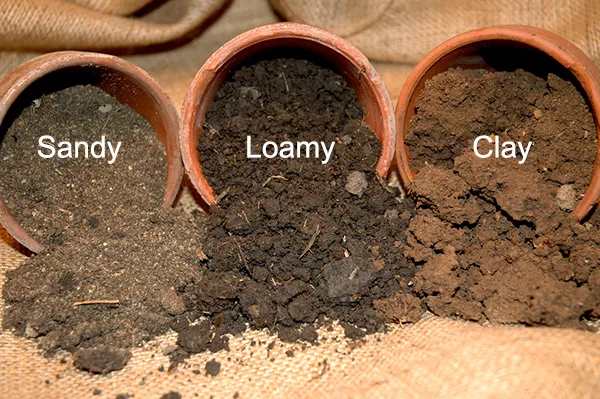
Soil Argilloso (Clay Soil)
Argilloso soils are composed of high amounts of clay particles, making them highly fertile and water-retentive. However, they can also be prone to waterlogging and compaction.
- Pros: Excellent for retaining moisture, rich in nutrients
- Cons: Prone to waterlogging, may require additional maintenance
Soil Limoso (Silty Soil)
Limoso soils are characterized by a mix of clay and sand particles. They have excellent drainage properties and can be beneficial for plants that thrive in well-draining conditions.
- Pros: Well-draining, optimal for plants requiring good drainage
- Cons: May lack nutrients, requires regular aeration
Soil Sabbioso (Sandy Soil)
Sabbioso soils are dominated by sand particles, resulting in excellent drainage but limited water retention. They may require additional fertilization and soil amendments.
- Pros: Excellent drainage, suitable for plants requiring good air circulation
- Cons: Limited water retention, may require more maintenance
Soil Ghiaioso (Gritty Soil)
Ghiaioso soils contain a high percentage of grit or gravel particles. They can be challenging to work with due to their poor structure and limited water-holding capacity.
- Pros: Can help mitigate temperature fluctuations, suitable for certain plant species
- Cons: Difficult to work with, may require additional amendments
Understanding the Tessiture: A Key Factor in Soil Fertility
The tessiture of a soil refers to its texture, which affects its permeability and water-holding capacity. Soils with finer particles tend to retain more water, while those with coarser particles drain more quickly.
- Fine-grained soils: May require more frequent irrigation
- Coarse-grained soils: May be better suited for plants requiring good drainage
The Importance of Soil Knowledge: Unlocking Its Potential
Recognizing the characteristics and implications of different soil types is crucial for effective land management. By understanding the unique needs of each type, you can:
- Improve soil fertility
- Optimize irrigation schedules
- Select suitable crops for your soil conditions
- Enhance overall soil health
Factors Affecting Soil Formation
Soil formation is influenced by a combination of natural and human factors. These include:
- Parent material: The underlying rocks or minerals that the soil is derived from.
- Topography: The shape and elevation of the land, which can affect drainage and erosion.
- Climate: Temperature, rainfall, and other climate-related factors influence soil development.
Soil Conservation and Management
Effective soil conservation and management practices are essential for maintaining soil health and preventing degradation. These include:
- Crop rotation: Rotating crops to maintain soil fertility and structure
- Cover cropping: Planting cover crops to reduce erosion and retain moisture
- Conservation tillage: Minimizing soil disturbance to preserve soil structure
Conclusion: Mastering Soil Knowledge for a Sustainable Future
In conclusion, mastering the art of soil science is essential for achieving optimal land management practices. By understanding the characteristics and implications of different soil types, you can unlock its full potential and create a sustainable future for your agricultural endeavors.
Frequently Asked Questions (FAQs)
-
What are the main differences between clay and silty soils?
Clay soils have higher water-holding capacity due to their finer particle size, while silty soils have better drainage properties.
2. How can I improve soil fertility in sandy soils?Sandy soils may require additional fertilization and soil amendments to maintain optimal nutrient levels.
3. Can gritty soils be used for farming?While gritty soils present challenges, they can still be suitable for certain plant species that thrive in well-draining conditions.
4. What is the importance of understanding soil texture in irrigation management?Soil texture influences water retention and drainage, making it essential to consider when planning irrigation schedules.
5. How can I identify the type of soil I have on my land?Conducting a soil test or consulting with a local expert can help determine your soil’s characteristics and optimal management strategies.
By understanding the different types of soils and their unique characteristics, you can unlock the full potential of your agricultural endeavors. Mastering soil science is crucial for achieving sustainable land management practices that benefit both your crops and the environment.


