
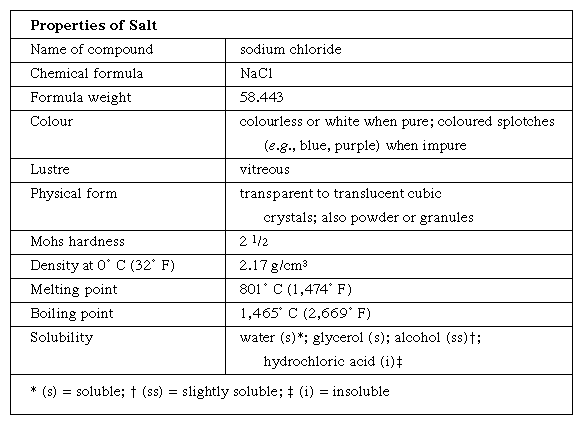
As we navigate the world of cooking, it’s essential to distinguish between various types of salt, each with its unique properties and uses. While many of us are familiar with table salt, there are numerous other types of salt that can enhance our culinary experience.
In this article, we’ll explore the different types of salt, their characteristics, and how they can benefit our health. We’ll also discuss the importance of choosing the right type of salt for our specific needs.
The Science Behind Salt
Salt is a mineral composed of two essential elements: sodium (Na) and chlorine (Cl). These elements are crucial for maintaining healthy bodily functions, including hydration, nerve function, and muscle contraction. While some people may associate salt with unhealthy eating habits, it’s essential to understand that moderate consumption of salt can be beneficial.
Types of Salt
-
Refined Salt
Refined salt, also known as table salt, is the most commonly used type of salt. It’s often added with anti-caking agents and iodine to enhance its shelf life. However, this process strips the salt of its natural minerals, making it less beneficial for our health. -
Unrefined Salt
Unrefined salt, also known as sea salt or kosher salt, is made from seawater that’s been evaporated, resulting in a coarser texture and a more nuanced flavor. This type of salt retains its natural minerals and is often preferred by those seeking a healthier option. -
Salgemma
Salgemma is a type of salt harvested from ancient sea beds. It’s prized for its rich, savory flavor and high mineral content. Salgemma is typically coarser than other types of salt and requires grinding before use. -
Iodized Salt
Iodized salt contains added iodine, which helps prevent iodine deficiency in the population. However, excessive consumption of iodized salt can lead to an overload of iodine in the body. -
Salt-Free Options
For those looking to reduce their sodium intake or manage specific health conditions, there are salt-free alternatives available. These options often include herbs and spices like garlic, ginger, and turmeric, which add flavor without adding salt. -
Dietary Salt
Dietary salt is specifically designed for individuals with high blood pressure or those who need to limit their sodium intake. This type of salt is often lower in iodine and contains added potassium or other minerals to help balance electrolytes. -
Black Salt (Kala Namak)
Black salt, also known as Kala Namak, is a type of volcanic rock salt that’s prized for its strong, sulfurous flavor. It’s commonly used in Indian cuisine and is believed to have various health benefits. -
Himalayan Pink Salt
Himalayan pink salt is mined from the Khewra Salt Mines in the Punjab region of Pakistan. It’s known for its delicate, sweet flavor and high mineral content, which includes iron, potassium, and magnesium. -
Flake Salt
Flake salt is a type of sea salt that’s been harvested from seawater through evaporation. It’s prized for its delicate texture and mild flavor, making it an excellent choice for sprinkling on vegetables or meats.
The Risks of Excessive Salt Consumption
While moderate salt consumption can be beneficial, excessive intake can lead to a range of health issues, including:
- High blood pressure
- Fluid retention
- Kidney damage
To avoid these risks, it’s essential to choose the right type of salt for our specific needs and consume it in moderation.
Tips for Choosing the Right Salt
- Consider your dietary needs: If you have high blood pressure or need to limit sodium intake, opt for a lower-sodium salt option.
- Choose unrefined salts: Unrefined salts like sea salt or kosher salt retain their natural minerals and are often preferred by those seeking a healthier option.
- Select the right texture: Coarser textures can be more beneficial than fine textures, which may contain added anti-caking agents.
- Consider your cooking methods: For high-heat cooking, opt for coarser salts that won’t dissolve quickly.
Health Benefits of Different Types of Salt
Each type of salt has its unique properties and benefits. Here are some of the health benefits associated with different types of salt:
- Unrefined Sea Salt: Rich in minerals like magnesium, potassium, and iron, unrefined sea salt can help lower blood pressure and improve cardiovascular health.
- Kosher Salt: Kosher salt is often preferred by chefs due to its coarser texture and neutral flavor. It’s also believed to be easier on the digestive system than refined salts.
- Himalayan Pink Salt: Himalayan pink salt contains high levels of iron, potassium, and magnesium, making it an excellent choice for those seeking a natural remedy for fatigue and inflammation.
Culinary Uses for Different Types of Salt
The type of salt used can greatly impact the flavor and texture of our dishes. Here are some culinary uses for different types of salt:
- Unrefined Sea Salt: Unrefined sea salt is perfect for sprinkling on vegetables, meats, or breads to add a touch of salty flavor.
- Kosher Salt: Kosher salt is often used as a finishing salt, sprinkled on top of dishes just before serving to add a touch of savory flavor.
- Himalayan Pink Salt: Himalayan pink salt can be used to add a subtle, sweet flavor to soups, stews, or braises.
Conclusion
The world of salt is vast and complex, with numerous types offering unique benefits and drawbacks. By understanding the different properties of each type of salt, we can make informed choices about our dietary needs and enjoy a healthier, more flavorful culinary experience. Whether you’re looking to reduce your sodium intake or simply seeking a new way to add flavor to your dishes, there’s a type of salt out there for everyone.
In addition to choosing the right type of salt, it’s also important to consider how we use salt in our cooking. By being mindful of our salt consumption and using the right type of salt for our specific needs, we can take a significant step towards maintaining good health and enjoying delicious, flavorful food.


