
Introduction
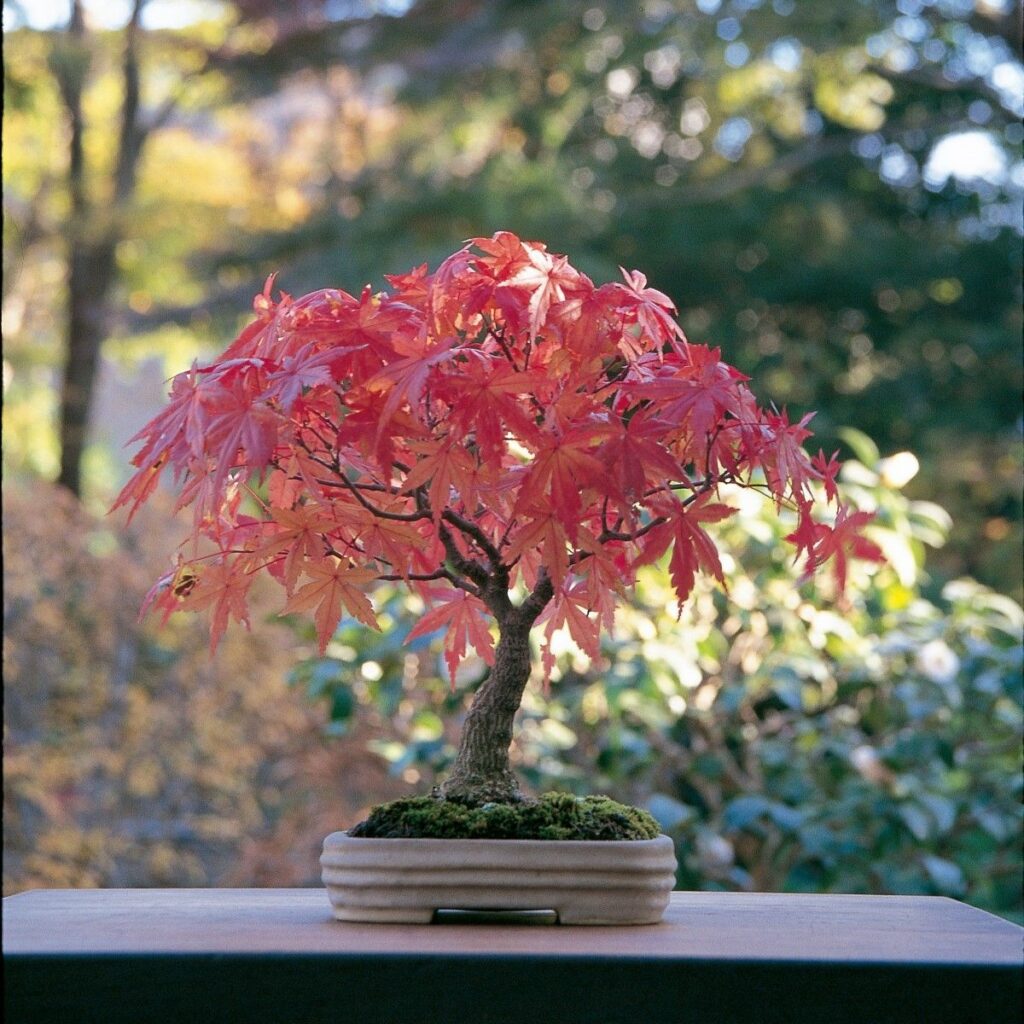
Bonsai, a term that originates from the Japanese word “bon,” meaning “tray” or “container,” refers to the art of growing miniature trees in containers. Among the various species used for bonsai, acer (Japanese maple) is one of the most popular and sought-after due to its stunning foliage and versatility.
Types of Acer Bonsais
Acer palms are the most widely available type of Japanese maple, with over 20 different varieties offering a range of colors, leaf shapes, and sizes. In this article, we will explore some of the most popular types of acer bonsais, including:
- Acer Palmatum: The most common species of acer, known for its deciduous leaves that turn red in autumn.
- Acer Palmatum Deshojio: A rare and highly prized variety with deep crimson foliage.
- Acer Palmatum Atropurpureum: A popular species with deep purple-red leaves that retain their color throughout the growing season.
- Acer Palmatum Kiyohime: A unique variety with leaves that change from green to orange in autumn.
Differences between Acer Palmatum Deshojio and Acer Palmatum Atropurpureum
While both species are popular for bonsai, there are some key differences between them. Acer palmatum deshojio is known for its deep crimson foliage, which turns green during the summer months. In contrast, acer palmatum atropurpureum has leaves that retain their deep purple-red color throughout the growing season.
Growing Acer Bonsais
Acer palms are relatively easy to grow and require minimal maintenance. However, they do need regular pruning to maintain their shape and promote healthy growth. It’s also essential to provide them with adequate light and water, as well as fertilization during the growing season.
Pruning and Renovating Acer Bonsais
Pruning is an essential part of bonsai care, as it helps to maintain the tree’s shape and promote new growth. For acer palms, pruning typically takes place in late winter or early spring, before new leaves emerge. It’s also necessary to renovate the roots of the bonsai by trimming back 1/3 of the root system to prevent the tree from becoming too large.
Tips for Growing Healthy Acer Bonsais
Here are some additional tips for growing healthy acer bonsais:
- Provide adequate light: Acers require bright, indirect light to thrive.
- Water regularly: Keep the soil consistently moist but not waterlogged.
- Fertilize during the growing season: Use a balanced fertilizer to promote healthy growth.
- Prune regularly: Prune your acer palm regularly to maintain its shape and promote new growth.
Common Problems with Acer Bonsais
Acer bonsais can be susceptible to certain problems, including:
- Root bound: When the roots of the tree become too large for the container.
- Overwatering: When the soil is consistently waterlogged, leading to root rot.
- Pests and diseases: Such as spider mites, mealybugs, and fungal infections.
Preventing Common Problems
To prevent common problems with acer bonsais, it’s essential to:
- Check the roots regularly: Look for signs of root bound or damage.
- Monitor watering: Avoid overwatering by checking the soil moisture regularly.
- Inspect the tree regularly: Look for signs of pests and diseases.
Conclusion
In conclusion, acer palms are a popular choice for bonsai due to their stunning foliage and versatility. By understanding the different types of acer bonsais available, as well as the necessary care and maintenance required to keep them healthy, you can create a beautiful and thriving miniature tree that will bring joy and tranquility to your home.
Frequently Asked Questions (FAQs)
- Q: How do I choose the right type of acer bonsai for my needs?
A: Consider factors such as climate, light exposure, and desired leaf color when choosing an acer species.
* Q: What is the best time to prune my acer bonsai?
A: Prune your acer palm in late winter or early spring, before new leaves emerge.
* Q: How often should I water my acer bonsai?
A: Keep the soil consistently moist but not waterlogged. Avoid overwatering, which can lead to root rot.
* Q: Can I grow an acer bonsai indoors?
A: Yes, but provide bright, indirect light and maintain a consistent temperature between 65-75°F (18-24°C).
* Q: How do I fertilize my acer bonsai?
A: Use a balanced fertilizer during the growing season to promote healthy growth.
* Q: Can I propagate an acer bonsai by division?
A: Yes, but be careful not to damage the roots or disturb the tree’s root system.
Additional Resources
For more information on growing and caring for acer bonsais, consider the following resources:
- Bonsai Books: There are many books available that provide detailed information on bonsai care and maintenance.
- Online Forums: Join online forums or social media groups dedicated to bonsai enthusiasts to connect with other growers and learn from their experiences.
- Local Bonsai Clubs: Look for local bonsai clubs in your area, where you can attend meetings and workshops to learn more about the art of bonsai.
Conclusion
In conclusion, acer palms are a popular choice for bonsai due to their stunning foliage and versatility. By understanding the different types of acer bonsais available, as well as the necessary care and maintenance required to keep them healthy, you can create a beautiful and thriving miniature tree that will bring joy and tranquility to your home.
References
- Japanese Maple Society: A comprehensive resource for information on Japanese maples and bonsai.
- Bonsai Magazine: A magazine dedicated to the art of bonsai, featuring articles and tutorials on various aspects of bonsai care.
- National Bonsai Foundation: A non-profit organization dedicated to promoting the art of bonsai through education and conservation.


