
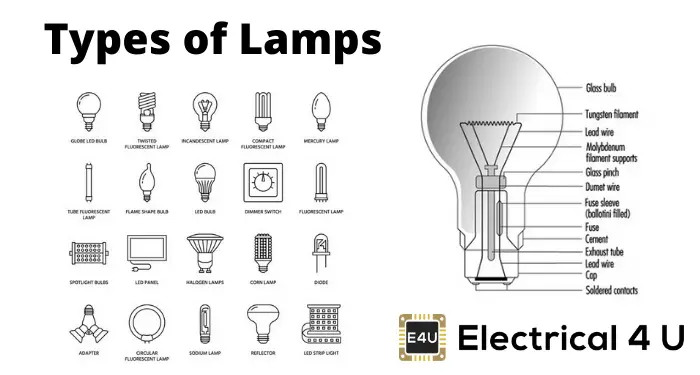
Lighting plays a significant role in our daily lives, accounting for around 14% of total electricity consumption at home, 28.30% in the third sector (offices and stores), and 8.70% in the industry (factories, warehouses, etc.). With this in mind, it’s crucial to choose the right type of lighting that suits your needs in terms of cost, usage, and characteristics of light.
The Four Main Types of Lighting: A Comparison
There are essentially four types of lighting to consider when making an informed decision. We’ll delve into each option, exploring its pros and cons, to help you make a well-informed choice.
1. Incandescent Bulb Lighting: A Fading Technology
Incandescent bulb lighting has been around for decades, but it’s becoming increasingly outdated. The technology is relatively inexpensive, with a low initial cost; however, the high energy consumption and relatively short lifespan (around 2,000 hours per light) make it less desirable.
Characteristics:
- Low upfront cost
- High energy consumption
- Short lifespan (2,000 hours)
- Good color rendition
Note: Incandescent bulb lighting is no longer widely available in the market due to environmental concerns. If you still have these types of lamps, consider replacing them with more efficient options.
2. Fluorescent Lighting: A Energy-Efficient Alternative
Fluorescent lighting has been a popular choice for decades, offering several benefits over incandescent bulbs. The tubes are relatively long-lasting (around 8,000 hours) and offer high energy efficiency compared to traditional bulbs.
Characteristics:
- Long lifespan (around 8,000 hours)
- High energy efficiency
- Regenerative capabilities
- Good color rendition
However, fluorescent lighting has some drawbacks: it requires frequent replacement of tubes, can take time to reach full brightness, and may not be suitable for all environments.
3. Induction Lighting: A Bright Alternative
Induction lighting shares similarities with fluorescent lighting but offers an alternative approach using electromagnetic radiation to ionize the gas inside the tube. This technology provides high color rendition and longer lifespan (up to 60,000 hours) compared to traditional bulbs.
Characteristics:
- High color rendition
- Long lifespan (up to 60,000 hours)
- Low energy consumption
- Limited availability
However, induction lighting is often more expensive than other options and may require specialized fixtures.
4. LED Lighting: A Cutting-Edge Technology
LED (Light Emitting Diode) lighting has revolutionized the industry with its high efficiency, long lifespan, and versatility. LEDs are becoming increasingly affordable, making them an attractive option for both residential and commercial settings.
Characteristics:
- High energy efficiency
- Long lifespan (up to 50,000 hours)
- Low heat emission
- Wide range of color options
However, LED lighting is still a relatively new technology, and some manufacturers may offer varying levels of quality. It’s essential to research the specific product you’re interested in to ensure it meets your needs.
Benefits of Energy-Efficient Lighting
Switching to energy-efficient lighting can have numerous benefits, including:
- Reduced energy consumption: By choosing options like LED or induction lighting, you can significantly decrease your electricity bill.
- Longer lifespan: Many energy-efficient lights last longer than traditional bulbs, reducing the need for frequent replacements.
- Environmental impact: Reducing energy consumption and waste from discarded light bulbs contributes to a more sustainable future.
- Improved health and safety: Some energy-efficient lights, like LED lighting, are designed with specific color temperatures that can help reduce eye strain and promote better sleep.
Factors to Consider When Choosing Lighting
Before making a decision, consider the following factors:
- Lighting purpose: Different areas of your home or office require different types of lighting. For example, task lighting (e.g., reading lamps) may benefit from brighter, more focused lights, while ambient lighting (e.g., table lamps) should be softer and more diffuse.
- Color temperature: The color temperature of light affects how it makes you feel. Warm white light (2700-3000K) is often used for bedrooms and living areas, while cool white light (3500-5000K) is commonly found in offices and public spaces.
- Lumen output: Choose lights with a suitable lumen output to meet your needs. Lower lumen outputs are often used for ambient lighting, while higher outputs are better suited for task lighting.
- Energy efficiency: Consider the energy efficiency of each option based on its power consumption, lifespan, and overall performance.
- Cost: While initial costs can vary between options, consider the total cost of ownership, including replacement costs over time.
LED Lighting vs. Other Options
When comparing LED lighting to other options like fluorescent or induction lighting, keep in mind:
- Lumen output: LEDs generally have a higher lumen output than incandescent bulbs but lower outputs than some types of fluorescent lighting.
- Color temperature: LEDs can offer high color temperatures (5000-6500K), making them suitable for various applications.
- Dimming capabilities: Some LED lights are dimmable, while others may not be compatible with certain dimmers.
Induction Lighting: A Growing Option
As induction lighting becomes more widespread, it’s essential to understand its benefits and limitations. Induction lighting offers:
- Long lifespan: Up to 60,000 hours or more
- High color rendition: Producing accurate colors, making them suitable for various applications
- Low energy consumption: Consuming less energy than traditional bulbs
However, induction lighting is often more expensive upfront and may require specialized fixtures.
Energy Efficiency Certifications
When selecting energy-efficient lighting, look for certifications like:
- UL (Underwriters Laboratories) certification: Ensures the product meets certain safety standards
- ** ENERGY STAR certification**: Indicates that the product has met energy efficiency requirements set by the U.S. Environmental Protection Agency
- RoHS (Restriction of Hazardous Substances) compliance: Ensures the use of safer materials in the manufacturing process
Best Practices for Implementing Energy-Efficient Lighting
To maximize the benefits of energy-efficient lighting, follow these best practices:
- Assess your current lighting needs: Evaluate the types and amounts of lighting used in your home or office to determine which options are most suitable.
- Choose the right products: Research different lighting technologies and products to find the ones that meet your specific requirements.
- Plan for future upgrades: Consider how changes in energy efficiency regulations and technological advancements may impact your lighting choices in the future.
By understanding the types of lighting available, their benefits, and drawbacks, you can make informed decisions that not only reduce your electricity bill but also contribute to a more sustainable future.


