
As we sit down to enjoy a plate of spaghetti alle vongole, it’s easy to forget that these tasty clams are not just a culinary delight but also fascinating creatures living in our oceans. But have you ever stopped to think about the different types of clams, their habitats, and how they’re prepared for consumption? In this article, we’ll delve into the world of clams, exploring their scientific classification, nutritional properties, and various species, as well as share some valuable tips on how to prepare them.
Classifying Clams: A Scientific Perspective
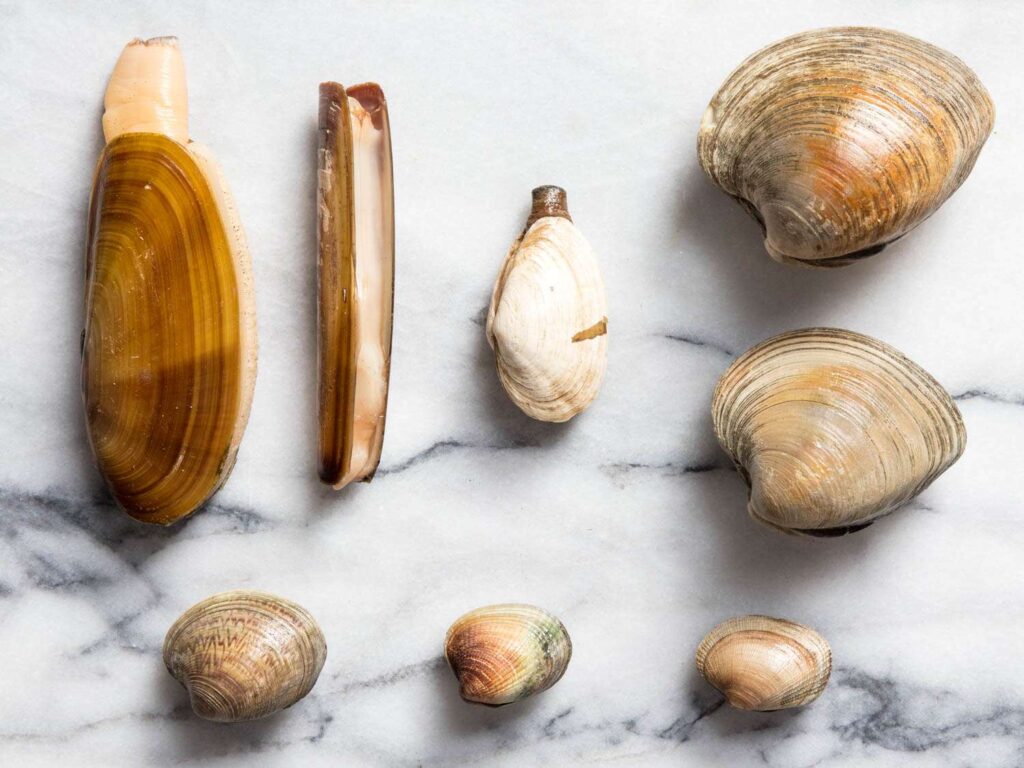
Clams belong to the phylum Mollusca and are classified into two main groups: bivalves (hinged-shelled mollusks) and univalves (single-hinged shells). Within these categories, there are over 100 species of clams, each with its unique characteristics. Some popular types of clams include:
- Venerupis corrugata (Babosa): A long, flat clam with a distinctive corrugated shell.
- Ruditapes decussatus (Vongola verace): A small to medium-sized clam with a rounded shell and a distinctive “V” shape on its mantle.
- Venerupis rhomboideus (Vongola rubia): A large, elongated clam with a distinctive rhomboid-shaped shell.
These species are just a few examples of the diverse range of clams found in our oceans. Each species has its unique characteristics, making them an exciting and fascinating subject for study and exploration.
Nutritional Properties of Clams
Clams are low in calories but rich in nutrients. One hundred grams of clams contain:
- 10.2 grams of protein
- 2.5 grams of fat
- 82.5 grams of water
- 628 milligrams of potassium
- 92 milligrams of calcium
Clams are also a good source of essential minerals like iron, zinc, and copper. They contain a variety of antioxidants and anti-inflammatory compounds that have been linked to various health benefits.
Preparing Clams: A Step-by-Step Guide
Before cooking clams, it’s essential to clean them thoroughly. Here’s a simple step-by-step guide:
- Fill a large bowl with cold water and add a tablespoon of salt.
- Add the clams to the bowl and let them soak for about 40 minutes.
- Remove the clams from the water and rinse them under cold running water.
- Pat the clams dry with paper towels.
This process helps remove any dirt, debris, or impurities that may be present on the clams’ surfaces. It also helps to relax the muscles of the clams, making it easier for them to open during cooking.
Popular Clam Species: What’s the Difference?
Each clam species has its unique characteristics, making some more desirable than others. Here are a few popular species:
- Vongola verace: A small to medium-sized clam with a rounded shell and a distinctive “V” shape on its mantle.
- Babosa: A long, flat clam with a distinctive corrugated shell.
- Vongola rubia: A large, elongated clam with a distinctive rhomboid-shaped shell.
Some popular species of clams are prized for their flavorful flesh and tender texture. Others are sought after for their unique appearance or culinary versatility.
Frequently Asked Questions
Here are some frequently asked questions about clams:
- What is the average lifespan of a clam?
- Clams can live for several years in the wild, but their average lifespan is around 2-5 years.
- Can I eat clams raw?
- It’s not recommended to eat clams raw, as they may contain harmful bacteria like Vibrio vulnificus.
- How do I store clams after cooking them?
- Clams can be stored in the refrigerator for up to a day or frozen for longer storage.
By understanding more about these fascinating creatures and how to prepare them, we can appreciate their unique characteristics and flavors even more. Whether you’re a seasoned clam connoisseur or just starting to explore the world of seafood, this article is sure to inspire your next culinary adventure!
In addition to its nutritional benefits, clams are also an important part of many marine ecosystems. They play a crucial role in maintaining the balance of their environments and providing food for other animals.
Tips for Choosing Fresh Clams
When selecting fresh clams, look for the following characteristics:
- A firm but yielding texture
- A shell that is free from cracks or chips
- Clams with open shells are generally fresher than those with closed shells
- Avoid clams with a strong odor or slimy texture
By choosing fresh clams and preparing them correctly, you can enjoy the delicious flavor and nutritional benefits of these fascinating creatures.
Preparing Clams for Different Dishes
Clams can be prepared in a variety of ways to suit different tastes and cuisines. Here are some popular methods:
- Steaming: Steaming is a popular method for cooking clams, as it helps preserve their delicate flavor and texture.
- Boiling: Boiling is another common method for cooking clams, although it can result in a loss of nutrients if not done correctly.
- Sautéing: Sautéing is a quick and easy method for cooking clams, making them a popular choice for busy cooks.
- Grilling: Grilling is a great way to add smoky flavor to clams, although it can be challenging to achieve even cooking.
By experimenting with different preparation methods and ingredients, you can create a wide range of delicious clam dishes that showcase their unique flavors and textures.


