
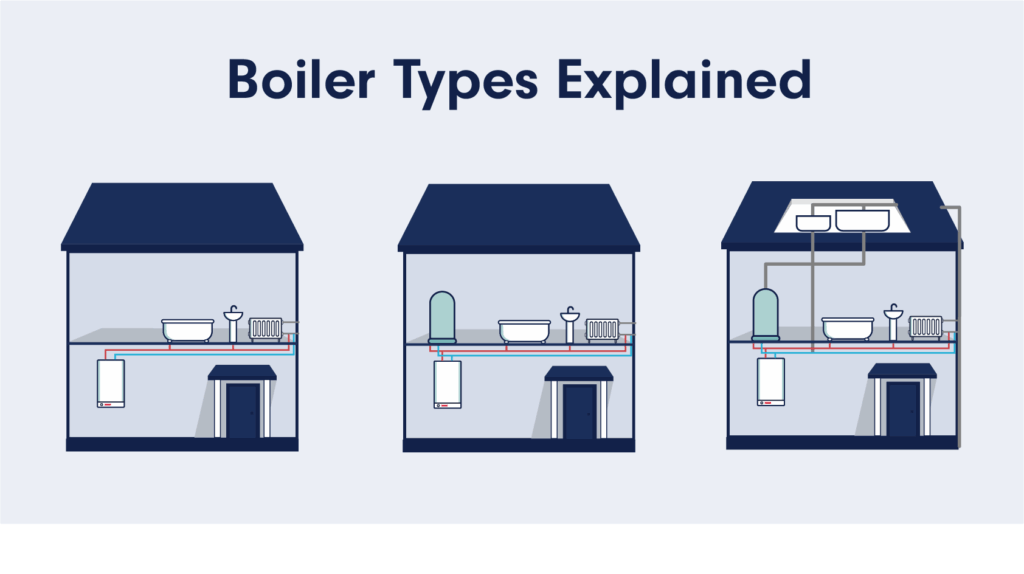
When it comes to heating your home, there are several options available. From traditional boilers to more modern and efficient models, choosing the right one can be a daunting task. In this article, we will delve into the world of boilers and explore the different types of boilers, their features, and benefits.
Types of Boilers
Boilers come in various shapes and sizes, each with its unique characteristics and advantages. Here are some of the most common types of boilers:
1. Condensing Boilers
Condensing boilers are one of the most efficient types of boilers available. They work by condensing the exhaust gases to recover heat energy, which is then used to warm your home.
- How it works: The boiler uses a condenser coil to cool the exhaust gases, causing them to condense into liquid water.
- Benefits: Condensing boilers are more efficient than traditional boilers and can provide significant savings on fuel bills.
- Drawbacks: They require more complex installation and maintenance.
2. Traditional Boilers
Traditional boilers, also known as conventional boilers, use natural gas or oil to heat your home.
- How it works: The boiler burns fuel to produce hot water, which is then distributed throughout the home.
- Benefits: Traditional boilers are widely available and relatively affordable.
- Drawbacks: They are less efficient than condensing boilers and can be noisier.
3. Electric Boilers
Electric boilers use electricity to heat your home instead of fuel.
- How it works: The boiler uses electricity to warm water, which is then distributed throughout the home.
- Benefits: Electric boilers are quick to install and require minimal maintenance.
- Drawbacks: They can be more expensive to run than other types of boilers.
4. Pellet Boilers
Pellet boilers use wood pellets as fuel to heat your home.
- How it works: The boiler burns wood pellets to produce hot water, which is then distributed throughout the home.
- Benefits: Pellet boilers are a more sustainable option and can provide significant savings on fuel bills.
- Drawbacks: They require regular maintenance to ensure proper function.
5. Electric-Fired Boilers
Electric-fired boilers use electricity to heat your home, but also have a backup fuel source, such as natural gas or oil.
- How it works: The boiler uses electricity to warm water, which is then distributed throughout the home.
- Benefits: Electric-fired boilers are quick to install and require minimal maintenance.
- Drawbacks: They can be more expensive to run than other types of boilers.
Choosing the Right Boiler for Your Home
When choosing a boiler for your home, consider the following factors:
- Efficiency: Look for boilers with high efficiency ratings to minimize fuel bills.
- Maintenance: Consider boilers that require minimal maintenance to ensure proper function.
- Budget: Determine your budget and choose a boiler that fits within it.
Key Considerations
Before choosing a boiler, consider the following key factors:
- Space constraints: Ensure the boiler will fit in your home’s space requirements.
- Fuel availability: Choose a boiler that uses fuel sources available in your area.
- Noise level: If you live in an apartment or have noise restrictions, choose a boiler with a low noise level.
Benefits of a High-Efficiency Boiler
High-efficiency boilers can provide significant benefits, including:
- Reduced energy bills: By using less fuel to produce the same amount of heat, high-efficiency boilers can reduce your energy bills.
- Increased comfort: With a boiler that produces consistent and efficient heat, you’ll enjoy a more comfortable living space.
Factors to Consider When Buying a Boiler
When buying a boiler, consider the following factors:
- Brand reputation: Research the brand’s reputation for producing reliable and efficient boilers.
- Warranty: Look for boilers with comprehensive warranties that cover parts and labor.
- Customer support: Ensure the manufacturer provides adequate customer support in case of issues or questions.
Installing a New Boiler
Installing a new boiler can be a complex process, but it’s essential to ensure proper function. Consider hiring a licensed professional who has experience installing boilers.
Maintenance Tips for Homeowners
To extend the life and efficiency of your boiler:
- Regularly inspect the unit: Check for signs of wear and tear, such as leaks or corrosion.
- Change filters regularly: Replace air filters and fuel filters to ensure optimal performance.
- Schedule annual maintenance: Schedule regular maintenance appointments with a professional to catch any issues before they become major problems.
Conclusion
Choosing the right boiler for your home can be an overwhelming task. By considering factors such as efficiency, maintenance, and budget, you can find the perfect boiler to meet your needs. Remember to also consider key factors like space constraints, fuel availability, and noise level when making your decision. With the right boiler, you’ll enjoy a more comfortable living space while saving money on energy bills.
Frequently Asked Questions
Q: What is the most efficient type of boiler?
A: Condensing boilers are generally considered the most efficient type of boiler, with efficiency ratings up to 90%.
Q: How much does a new boiler cost?
A: The cost of a new boiler can vary widely depending on the type and size of the boiler, as well as installation costs.
Q: What are the benefits of using a pellet boiler?
A: Pellet boilers offer several benefits, including reduced emissions, lower fuel bills, and increased efficiency.
Q: How often should I maintain my boiler?
A: The frequency of maintenance will depend on the type of boiler you have. Typically, condensing boilers require more frequent maintenance than traditional boilers.
Q: Can I install a boiler myself?
A: It is generally not recommended to install a boiler yourself. Boilers require specialized knowledge and equipment to ensure proper installation and function.
Q: What are the benefits of using an electric-fired boiler?
A: Electric-fired boilers offer several benefits, including quick installation, minimal maintenance, and reduced emissions.
Q: How much does it cost to run an electric-fired boiler?
A: The cost of running an electric-fired boiler will depend on your electricity rate and usage patterns.


