
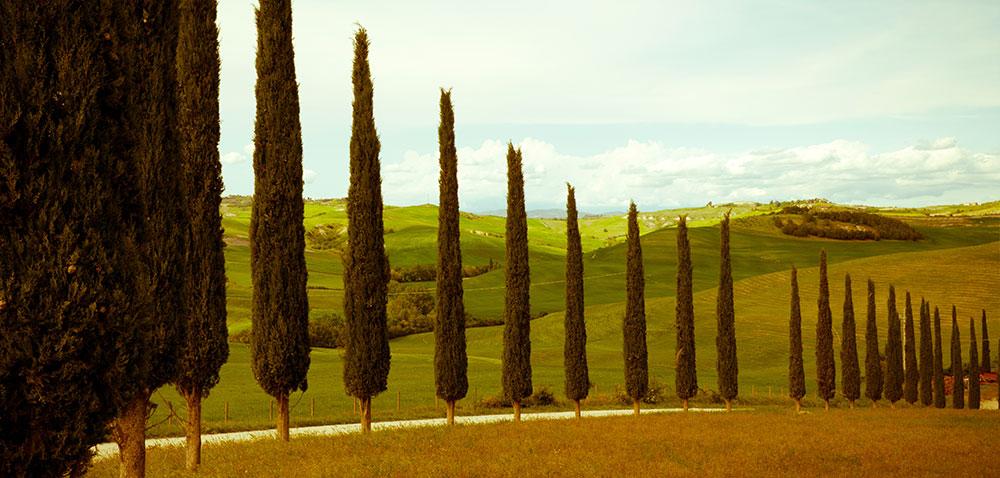
Cypresses have long been a symbol of elegance and sophistication, but what makes them so special? In this article, we’ll delve into the world of cypresses, exploring their history, characteristics, care, and benefits. Whether you’re looking to add some greenery to your outdoor space or simply want to learn more about these beautiful trees, we’ve got you covered.
What is a Tuscan Cypress?
The Tuscan cypress (Cupressus semprevirens Stricta) is a species of cypress tree that is native to the Mediterranean region. It’s also known as the black cypress, and its name has been adopted by many Italian regions, including Tuscany. However, it’s worth noting that this name can be misleading, as it refers to a specific cultivar of cypress tree.
Characteristics of a Tuscan Cypress
Tuscan cypresses are known for their striking features, which make them an excellent choice for landscaping. Here are some key characteristics to look out for:
- Height and Spread: Tuscan cypresses can grow up to 18.22 meters (60 feet) tall, with a spread of around 250-300 centimeters (10-12 feet).
- Leaves: The leaves of a Tuscan cypress are dark green and scaly, with a distinctive shape that gives them a pyramidal appearance.
- Fruit: The fruit of the Tuscan cypress is an oval-shaped cone that grows up to 2-3 centimeters (0.8-1.2 inches) in length.
Care and Maintenance
To keep your Tuscan cypress healthy and thriving, follow these care tips:
- Planting: When planting a Tuscan cypress, make sure to choose a location with full sun and well-drained soil.
- Watering: Water your cypress regularly, but avoid overwatering, which can lead to root rot.
- Pruning: Prune your cypress annually to maintain its shape and promote healthy growth.
Benefits of Tuscan Cypress
Tuscan cypresses offer many benefits, including:
- Aesthetic Appeal: The striking appearance of a Tuscan cypress makes it an excellent choice for landscaping.
- Windbreak: The dense foliage of the cypress provides a natural windbreak, making it ideal for coastal or mountainous areas.
- Soil Erosion Prevention: The roots of the cypress help to prevent soil erosion, making it a great choice for areas with poor drainage.
Propagation and Transplanting
If you’re looking to propagate your Tuscan cypress or transplant one from another location, here are some tips:
- Propagation: You can propagate a Tuscan cypress by taking cuttings from the branches of the tree. Make sure the cutting is at least 30 centimeters (12 inches) long and has several nodes.
- Transplanting: When transplanting a Tuscan cypress, make sure to choose a location with full sun and well-drained soil. Dig a hole that’s twice as wide and just as deep as the root ball of the tree.
Pest and Disease Management
To keep your Tuscan cypress healthy, follow these pest and disease management tips:
- Insect Pests: Insects such as aphids, scale, and spider mites can infest a Tuscan cypress. Use insecticidal soap or neem oil to control infestations.
- Fungal Diseases: Fungal diseases such as root rot and leaf spot can affect a Tuscan cypress. Remove infected leaves and branches, and treat the tree with fungicides.
Conclusion
In conclusion, the Tuscan cypress is a beautiful and versatile tree that offers many benefits for landscaping and gardeners alike. By understanding its characteristics, care requirements, and benefits, you can make informed decisions about whether or not to include this stunning tree in your outdoor space.
Frequently Asked Questions (FAQs)
Here are some answers to common questions about Tuscan cypresses:
-
How tall do Tuscan cypresses grow?
- Tuscan cypresses can grow up to 18.22 meters (60 feet) tall, with a spread of around 250-300 centimeters (10-12 feet).
-
What is the best time to prune a Tuscan cypress?
-
Prune your cypress annually to maintain its shape and promote healthy growth.
-
How often should I water my Tuscan cypress?
-
Water your cypress regularly, but avoid overwatering, which can lead to root rot.
-
Can I grow a Tuscan cypress in a container?
-
Yes, you can grow a Tuscan cypress in a container, but make sure the pot is at least 30 centimeters (12 inches) deep and has good drainage holes.
-
Are Tuscan cypresses suitable for shade?
-
No, Tuscan cypresses prefer full sun to partial shade, so choose a location that receives direct sunlight for most of the day.
By understanding these answers to frequently asked questions, you can make informed decisions about growing a Tuscan cypress in your outdoor space.



