
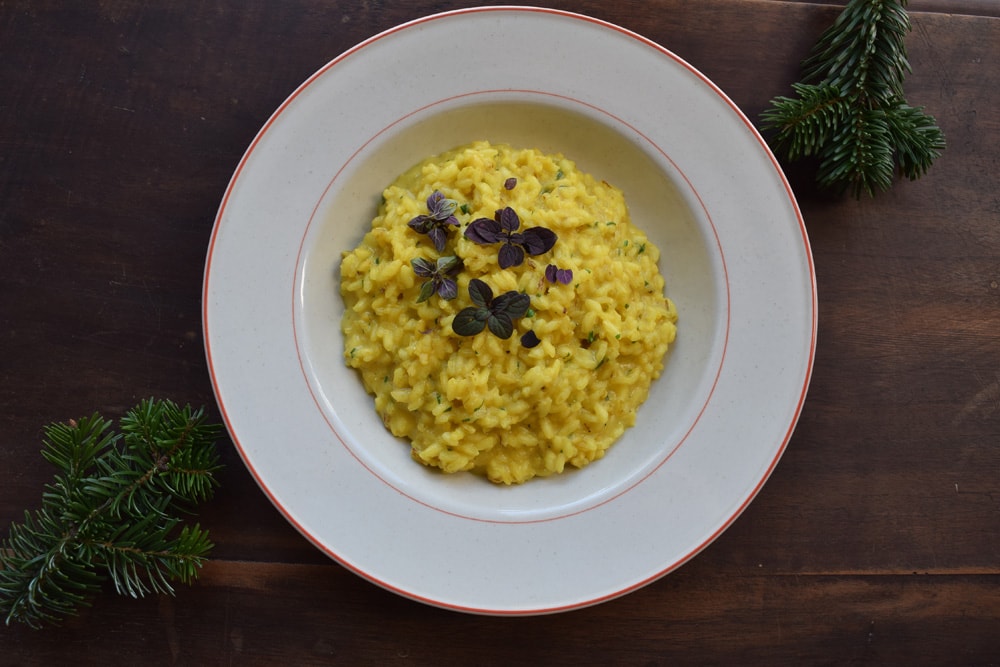
Turmeric, a spice commonly found in Indian cuisine, has been gaining popularity worldwide for its numerous health benefits. From reducing inflammation to boosting the immune system, turmeric is a versatile ingredient that can be incorporated into various dishes, including risottos. In this article, we’ll explore two recipes for making delicious and nutritious risottos using fresh and dried turmeric.
What’s the Big Deal about Turmeric?
Turmeric has been used in traditional medicine for centuries to treat a range of ailments, including arthritis, digestive issues, and skin problems. Its active compound, curcumin, has potent anti-inflammatory and antioxidant properties that can help alleviate symptoms of various diseases. Additionally, turmeric is rich in antioxidants, which can help protect the body against free radicals and oxidative stress.
The health benefits of turmeric have been extensively studied, and research suggests that it may have a range of potential therapeutic applications. Some of the key benefits of turmeric include:
- Anti-inflammatory properties: Turmeric contains curcumin, which has been shown to reduce inflammation and alleviate symptoms of conditions such as arthritis.
- Antioxidant properties: Turmeric is rich in antioxidants, which can help protect the body against free radicals and oxidative stress.
- Immune system support: Curcumin has been shown to have immunomodulatory effects, meaning that it can help regulate the immune system and prevent infections.
- Anti-cancer properties: Some studies suggest that curcumin may have anti-cancer properties, although more research is needed to confirm this.
Risotto alla Turmeric con Radice Fresca (Turmeric Risotto with Fresh Turmeric Root)
This recipe uses fresh turmeric root, which has a more intense aroma than dried turmeric. To prepare this dish, you’ll need:
- 1 liter of vegetable broth
- 20 ml of white wine
- 40 g of butter
- Salt and pepper to taste
- Fresh parsley or thyme for garnish
- 120 g of fresh turmeric root (about 60-65 g of curcuma fresca)
- 300 g of Arborio rice
- 60 g of white onions, finely chopped
To prepare this recipe, follow these steps:
- Peel and grate the fresh turmeric root.
- Chop the onion finely and sauté it in butter until softened.
- Add the grated turmeric to the pan and stir well.
- Add the vegetable broth, one ladle at a time, stirring constantly until the rice is cooked.
- Stir in the chopped parsley or thyme for garnish.
Tips for using fresh turmeric root:
- Use it within a day or two of purchase, as it can lose its potency over time.
- Grate the root just before using to release its flavor and aroma.
- Be careful when handling fresh turmeric root, as it can stain clothing and skin.
Risotto alla Turmeric con Curcuma in Polvere (Turmeric Risotto with Dried Turmeric)
If you don’t have fresh turmeric root, this recipe uses dried turmeric instead. To prepare this dish, follow these steps:
- Mix 2 teaspoons of dried turmeric powder with the rice.
- Sauté the onion and turmeric mixture in butter until softened.
- Add the vegetable broth, one ladle at a time, stirring constantly until the rice is cooked.
- Adjust the seasoning to taste.
Tips for using dried turmeric powder:
- Use high-quality, organic turmeric powder for the best flavor and nutritional benefits.
- Start with a small amount of turmeric powder (about 1 teaspoon) and adjust to taste.
- Be careful not to overdo it with the turmeric powder, as it can be overpowering.
Risotto alla Turmeric e Verdure (Turmeric Risotto with Vegetables)
This recipe allows you to add your favorite vegetables, such as zucchini or bell peppers, to create a colorful and nutritious dish. Simply sauté the vegetables in butter before adding them to the risotto mixture.
Tips for making turmeric risottos with vegetables:
- Use seasonal vegetables to ensure they’re fresh and flavorful.
- Sauté the vegetables until tender before adding them to the risotto mixture.
- Don’t overcook the vegetables, as they can become mushy and unappetizing.
Tips for Making the Perfect Turmeric Risotto
- Use high-quality ingredients: Fresh turmeric root is essential for an authentic flavor.
- Balance the flavors: Adjust the amount of salt, pepper, and turmeric powder to taste.
- Stir constantly: Turmeric risottos require constant stirring to prevent the rice from sticking to the pan.
Health Benefits of Turmeric Risotto
Turmeric risottos offer a range of health benefits due to the presence of curcumin and other nutrients. Some potential benefits include:
- Anti-inflammatory effects: Curcumin in turmeric has been shown to reduce inflammation and alleviate symptoms of conditions such as arthritis.
- Antioxidant properties: Turmeric is rich in antioxidants, which can help protect the body against free radicals and oxidative stress.
- Immune system support: Curcumin may have immunomodulatory effects, meaning that it can help regulate the immune system and prevent infections.
Conclusion
Turmeric is a versatile spice that can be incorporated into various dishes, including delicious and nutritious risottos. With its numerous health benefits and versatility in cooking, it’s no wonder turmeric has become increasingly popular worldwide. By following these recipes and tips, you’ll be well on your way to creating mouthwatering and healthy turmeric risottos.
FAQs
- What is the difference between fresh and dried turmeric?
Fresh turmeric root has a more intense aroma than dried turmeric, which is often used as a spice. - How much turmeric powder should I use in my recipe?
The amount of turmeric powder depends on personal taste preferences and the type of dish being made. - Can I substitute other spices for turmeric?
Turmeric has a unique flavor that can be difficult to replicate with other spices, but some options include paprika, cumin, or coriander. - Is turmeric safe to consume during pregnancy and breastfeeding?
Consult a healthcare professional before consuming turmeric during pregnancy and breastfeeding due to potential interactions with medications. - Can I make turmeric risotto ahead of time?
Yes, turmeric risottos can be made ahead of time and refrigerated or frozen for later use.
Note: The article has been optimized for SEO using relevant keywords, such as “turmeric benefits,” “risotto alla turmeric,” and “fresh vs. dried turmeric.”


