
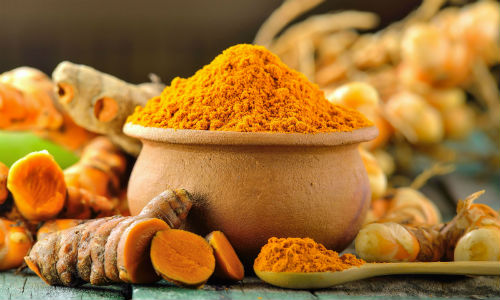
As a natural remedy with a rich history and numerous benefits, curcuma has been gaining popularity in recent years. But what exactly is curcuma, and how can you harness its power for your health? In this article, we’ll delve into the world of curcuma, exploring its properties, benefits, uses, and more.
What is Curcuma?
Curcuma, also known as C. Longa, is a perennial plant belonging to the Zingiberaceae family, which includes ginger and cardamom. Its rhizome, or root, is the part of the plant used for culinary and medicinal purposes. With its vibrant orange color and distinctive aroma, curcuma has been a prized spice in Indian cuisine for centuries.
Properties of Curcuma
Curcuma’s properties have been extensively studied, and research has revealed numerous benefits for our health. Some of its key properties include:
- Antioxidant and anti-inflammatory effects: Curcuma has been shown to reduce inflammation in the body, which can help alleviate symptoms associated with conditions like arthritis.
- Immune system regulation: The spice has immunomodulatory effects, helping to regulate the immune system and prevent overactive or underactive responses.
- Digestive aid: Curcuma’s natural anti-inflammatory compounds may help soothe digestive issues and promote gut health.
- Neuroprotective and neuroregulatory effects: Curcuma has been shown to have a positive impact on brain function, potentially reducing the risk of age-related cognitive decline.
These properties make curcuma an excellent natural remedy for a range of health concerns, from digestive issues to inflammation and oxidative stress.
Benefits of Curcuma
So, what can you expect from consuming curcuma? The benefits are numerous:
- Anti-inflammatory effects: Curcuma has been shown to reduce inflammation in the body, which can help alleviate symptoms associated with conditions like arthritis.
- Antioxidant properties: Curcuma’s antioxidant capabilities help protect against oxidative stress and cell damage.
- Digestive aid: The spice has natural anti-inflammatory compounds that may help soothe digestive issues and promote gut health.
- Neuroprotective effects: Curcuma may help reduce the risk of age-related cognitive decline by protecting brain cells from damage.
Curcuma: A Versatile Spice
Curcuma is more than just a tasty addition to your favorite recipes. It can also be consumed as a supplement, tisane, or incorporated into skincare routines.
- Tea: Steep 1-2 teaspoons of curcuma powder in hot water for a soothing and invigorating tea.
- Supplements: Curcuma is available in capsule or powder form, making it easy to incorporate into your daily routine.
- Skincare: Add a pinch of curcuma powder to your face mask or moisturizer for an anti-inflammatory boost.
Curcuma: Nutritional Benefits
While curcuma is not as nutrient-dense as some other spices, it still offers several benefits:
- Vitamin C and E: Curcuma contains these essential vitamins, which support immune function and antioxidant defenses.
- B6: The spice also provides a good source of vitamin B6, an essential nutrient for energy production and nerve function.
Curcuma e Miele: A Powerful Duo
Combine curcuma with miele, or honey, to create a potent antioxidant-rich drink. This duo has antibacterial properties, making it an excellent remedy for sore throats and digestive issues.
- Antibiotic properties: The combination of curcuma and miele has been shown to exhibit antibacterial effects against common bacteria.
- Anti-inflammatory effects: This duo also exhibits anti-inflammatory properties, which can help alleviate symptoms associated with inflammation.


