
As a pet owner, the thought of your furry friend developing cancer can be daunting. While it’s true that dogs of various sizes can be affected by cancer, understanding its symptoms and diagnosis is crucial in ensuring timely intervention.
What is Canine Cancer?
Cancer in dogs, like in humans, comes in many forms, affecting different parts of the body such as the bone marrow, immune system, skin, thyroid gland, kidneys, lungs, and reproductive organs. The types of cancer that affect dogs are similar to those found in humans, with some exceptions.
Canine Cancer Symptoms
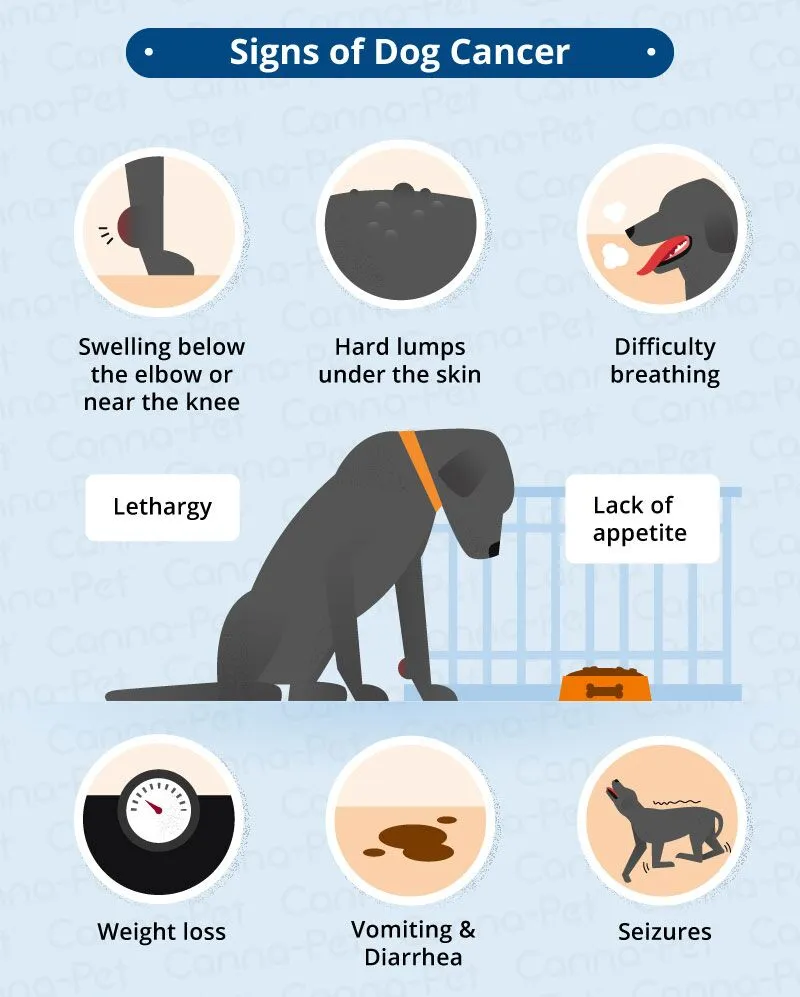
Identifying symptoms early is vital in diagnosing canine cancer. These include sudden changes in behavior or appetite, rapid weight loss, unusual growths on the body, weakness or difficulty walking, and pain. If you notice any of these signs in your dog, consult a veterinarian immediately.
Skin Tumors in Dogs (Mastocytoma)
Skin tumors, also known as mastocytomas, are common in dogs. These benign tumors appear as nodules on the skin, often growing rapidly. They most frequently occur on the trunk and perineal areas but can also be found on the extremities, head, or neck.
Cancer in Young Dogs
While it’s rare for young dogs to develop cancer, those of medium to large sizes are more prone to this disease. The majority of canine cancers affect older dogs, with many being malignant. A biopsy is necessary to determine whether a tumor is benign or malignant.
Types of Canine Cancer
There are several types of canine cancer, including:
- Mast cell tumors: These are the most common type of skin tumor found in dogs.
- Lymphoma: This is a type of cancer that affects the immune system and can be aggressive.
- Osteosarcoma: Also known as bone cancer, this is a type of cancer that affects the bones.
- Melanoma: A type of skin cancer that is more common in dogs than humans.
- Hodgkin lymphoma: This is a rare type of cancer that affects the immune system.
Treatment and Management of Canine Cancer
Managing canine cancer requires the expertise of a veterinarian. Early detection significantly improves treatment outcomes. Regular check-ups, monitoring of weight changes, and maintaining a healthy diet are crucial aspects of preventing and managing cancer in dogs.
Importance of Prevention and Early Detection
Preventing cancer involves regular veterinary visits, keeping your dog at a healthy weight, engaging in regular physical activity, and a balanced diet. Regular check-ups with a veterinarian can help identify any abnormalities early on, making treatment more effective.
While the prognosis for canine cancer varies depending on factors like age, health, tumor type, and response to treatment, consulting with a veterinarian is essential in determining the best course of action.
Frequently Asked Questions
-
What are the common types of skin tumors found in dogs?
Skin tumors in dogs can take several forms, including mastocytoma, papules, and crostes. -
Canine cancer is rare in young dogs. Is this always true?
While it’s not extremely common for young dogs to develop cancer, some types of cancer do affect younger dogs. -
How often should I take my dog to the vet if they have cancer?
Regular check-ups with a veterinarian are crucial in monitoring your dog’s condition and responding promptly to any changes. -
What role does diet play in preventing or managing canine cancer?
A balanced, healthy diet can help prevent cancer by maintaining optimal health for your dog. -
Is there an age limit for dogs that can get cancer?
While older dogs are more prone to cancer, it’s not uncommon for younger dogs to develop the disease as well. -
What is the role of regular check-ups in detecting canine cancer early?
Regular veterinary visits are essential in identifying potential health issues and preventing further complications. -
Canine cancer treatment involves surgery only?
No, while surgery may be necessary, other treatments such as chemotherapy, radiation therapy, or immunotherapy can also be used depending on the type of cancer and its stage. -
What is the role of exercise in managing canine cancer?
Regular physical activity can help manage some types of canine cancer by maintaining overall health and reducing complications.
Staging and Treatment Plans
Once a diagnosis of canine cancer has been made, a veterinarian will develop a treatment plan based on the type of cancer, its stage, and the dog’s overall health. The goal is to control the disease and improve quality of life for the dog.
The American Veterinary Medical Association (AVMA) recommends the following stages for canine cancer:
- Stage 0: Cancer is present but has not spread beyond the initial site.
- Stage I: Cancer has spread to nearby tissues or lymph nodes, but it’s still considered localized.
- Stage II: Cancer has spread to distant organs or tissues.
Challenges and Future Directions
While significant progress has been made in understanding canine cancer, there are still many challenges that need to be addressed. These include:
- Improving diagnostic techniques: Developing more accurate and non-invasive tests for early detection.
- Enhancing treatment options: Finding more effective treatments for various types of canine cancer.
- Increasing awareness: Educating dog owners about the risks and signs of canine cancer.
Conclusion
Canine cancer is a complex and multifaceted disease that requires careful diagnosis, treatment planning, and ongoing management. By understanding the symptoms, diagnosis methods, treatment options, and prevention strategies, you can take steps to protect your furry friend’s well-being and support their journey towards recovery.
As a pet owner, it’s essential to be proactive in monitoring your dog’s health and seeking veterinary care if any concerns arise. With the right approach and support, dogs with cancer can lead happy and fulfilling lives for years to come.


