
As we navigate through life’s challenges, it’s easy to overlook the importance of a well-balanced diet and lifestyle. However, by incorporating triptophan into our daily routine, we can unlock its numerous benefits, from improved sleep quality to enhanced mood stability.
What is Triptophan?
Triptophan is an amino acid that sounds explosive, but it’s actually a “tranquil and pacific” substance playing a crucial role in maintaining human health. It’s the foundation of serotonin production, which regulates our mood, appetite, and sleep patterns.
The Benefits of Triptophan: A Comprehensive Look
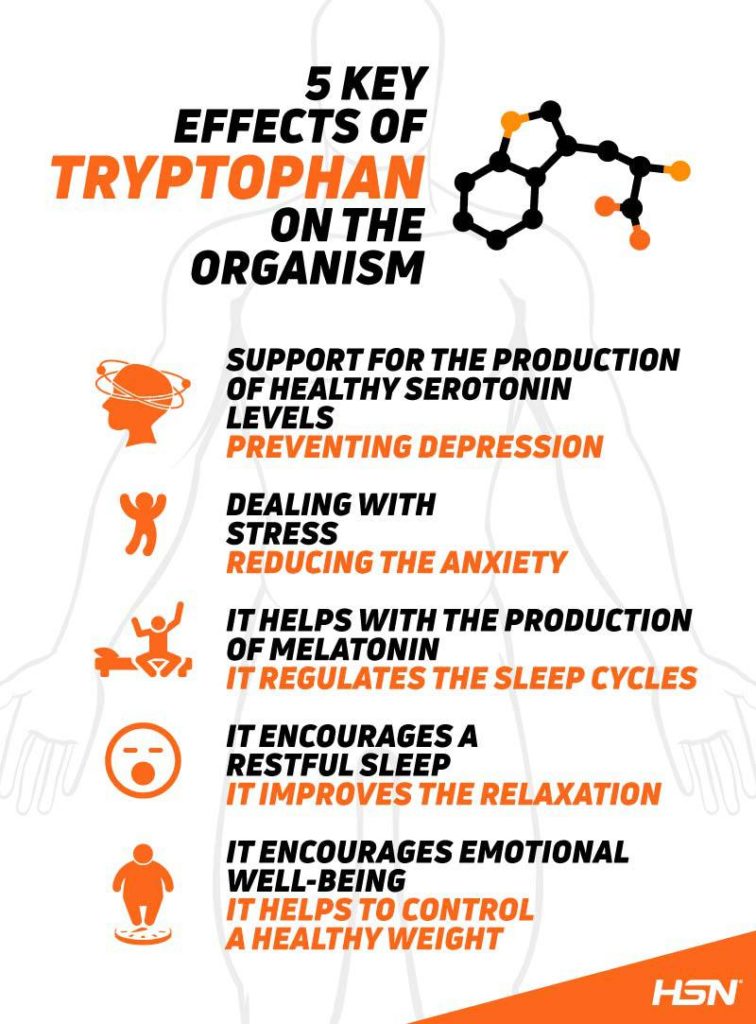
Triptophan has been touted as a natural remedy for various ailments, including insomnia, depression, and anxiety disorders. While its effectiveness is still being researched, the existing evidence suggests that triptophan can:
- Regulate sleep patterns by promoting relaxation and reducing stress
- Act as an antidepressant by increasing serotonin levels
- Ease chronic pain by releasing endorphins
- Calm violent or compulsive behaviors associated with anxiety disorders
Triptophan: The Missing Piece of the Puzzle
Understanding how triptophan interacts with our body’s chemistry is essential. When ingested, it triggers the production of serotonin, a neurotransmitter that regulates mood, appetite, and sleep patterns. Serotonin also converts into melatonin, which plays a crucial role in regulating our circadian rhythms.
Triptophan: A Natural Mood Booster
The connection between triptophan and serotonin is undeniable. As the body absorbs this amino acid, it triggers the production of serotonin, leading to an increase in mood stability and overall well-being. This natural mood booster can also help alleviate symptoms of depression and anxiety disorders.
Food Sources Rich in Triptophan
Incorporating triptophan-rich foods into our diet can be easy and delicious. Some excellent sources include:
- Legumes (beans, lentils, peas)
- Meat (chicken, turkey, beef)
- Fish (salmon, tuna, tilapia)
- Dairy products (milk, cheese, yogurt)
- Eggs
- Nuts and seeds (almonds, pumpkin seeds, sunflower seeds)
How to Incorporate Triptophan into Your Diet
To maximize the benefits of triptophan, it’s essential to consume it in moderation. Here are some tips:
- Eat a balanced diet rich in protein, complex carbohydrates, and healthy fats
- Include triptophan-rich foods in your meals, such as legumes, lean meats, and dairy products
- Avoid excessive consumption of processed foods, which can lead to an imbalance of amino acids
- Consider taking a triptophan supplement if you’re unable to get enough from food sources
Supplements vs. Food: Which is Best?
While supplements can be beneficial, it’s essential to understand the difference between triptophan and other supplements. Triptophan supplements are often combined with other ingredients, such as vitamin B6 and magnesium, which can enhance its effectiveness.
- Look for a high-quality triptophan supplement that contains a balanced blend of amino acids
- Consult with a healthcare professional before taking any supplement
- Prioritize food sources over supplements whenever possible
Conclusion
Triptophan is a naturally occurring amino acid that plays a vital role in maintaining our overall health and well-being. By understanding its benefits, food sources, and interactions with the body’s chemistry, we can harness its power to improve our sleep quality, mood stability, and overall quality of life.
Frequently Asked Questions
- What is triptophan, and how does it work?
- Triptophan is an amino acid that plays a crucial role in maintaining human health. It’s the foundation of serotonin production, which regulates our mood, appetite, and sleep patterns.
- Can triptophan help with depression and anxiety disorders?
- The existing evidence suggests that triptophan can act as an antidepressant by increasing serotonin levels and alleviating symptoms of depression and anxiety disorders.
- How does triptophan interact with the body’s chemistry?
- When ingested, triptophan triggers the production of serotonin, a neurotransmitter that regulates mood, appetite, and sleep patterns.
- What are some excellent sources of triptophan-rich foods?
- Legumes (beans, lentils, peas), meat (chicken, turkey, beef), fish (salmon, tuna, tilapia), dairy products (milk, cheese, yogurt), eggs, nuts and seeds (almonds, pumpkin seeds, sunflower seeds).
- Can triptophan cause any adverse effects?
- While rare, some people may experience gastrointestinal issues when consuming triptophan.
- How much triptophan should I consume daily?
- The recommended daily intake of triptophan varies depending on factors such as age, sex, and weight. A general guideline is to consume 3-3.5 mg/kg body weight per day.
- Can triptophan be used in conjunction with other medications or supplements?
- It’s essential to consult with a healthcare professional before combining triptophan with any medication or supplement.
Incorporating triptophan-rich foods into our diet and lifestyle can have a profound impact on our overall health and well-being. By understanding its benefits, food sources, and interactions with the body’s chemistry, we can harness its power to improve our sleep quality, mood stability, and overall quality of life.


