
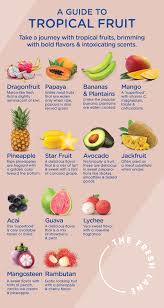
The tropical fruits bring a refreshing breeze to our tables, prized for their exotic taste and also for their originality, as they can surprise and amaze us. While we’re familiar with the common ones like mangoes, papayas, coconuts, pineapples, and litchis, there are many others that are less well-known but worth exploring.
What are Tropical Fruits?
Tropical fruits are a diverse group of fruits that are native to tropical regions. They can be divided into three categories: sweet and acidic, fatty and oily, and fresh and juicy. While they may seem exotic, they have several benefits that make them valuable additions to our diets.
Properties of Tropical Fruits
Tropical fruits are rich in nutrients, including:
- Fibers
- Mineral salts (potassium, magnesium)
- Vitamins (A, C, E)
- Acids (citric acid, malic acid)
They also contain a range of beneficial compounds, such as phenols and tannins, which have antioxidant properties.
Popular Tropical Fruits
Some popular tropical fruits include:
- Banana: A classic tropical fruit, bananas are rich in potassium and vitamins C and B6.
- Ananas: Pineapples are a great source of vitamin C and manganese.
- Noce di Cocco: Coconut is rich in medium-chain triglycerides (MCTs) and fiber.
Less Common Tropical Fruits
There are many less common tropical fruits that are worth exploring, such as:
- Carambola: A fruit with a unique shape and flavor.
- Kumquat: A small, sweet fruit that’s often eaten whole.
- Mangostano: A purple fruit with a soft, white interior.
Classification of Tropical Fruits by Color
Tropical fruits can also be classified by their color:
- Yellow: Papayas and bananas are two examples of yellow tropical fruits.
- Orange: Alchechengi is an orange tropical fruit with a unique flavor and texture.
- Red: Litchis and dragon fruits are two examples of red tropical fruits.
- Pink: Pitayas (also known as dragon fruits) have a delicate, sweet flavor.
Nutritional Benefits of Tropical Fruits
Tropical fruits offer numerous health benefits due to their high content of vitamins, minerals, and antioxidants. Some of the key nutritional benefits include:
- Rich in Antioxidants: Tropical fruits are rich in antioxidants, which help protect against cell damage and reduce the risk of chronic diseases.
- Supports Healthy Digestion: Many tropical fruits are high in dietary fiber, which helps promote healthy digestion and prevent constipation.
- May Help Lower Cholesterol: Some tropical fruits, such as bananas and pineapples, have been shown to help lower cholesterol levels due to their high content of potassium and other nutrients.
Culinary Uses of Tropical Fruits
Tropical fruits can be used in a variety of culinary applications, including:
- Smoothies and Juices: Tropical fruits like mangoes, pineapples, and papayas make delicious and nutritious smoothie and juice options.
- Desserts and Baked Goods: Tropical fruits like bananas, coconuts, and pineapples can be used in a range of sweet treats, from cakes and muffins to ice cream and sorbet.
- Savory Dishes: Some tropical fruits, such as plantains and mangostanos, can be used in savory dishes like stews and curries.
Tips for Choosing and Storing Tropical Fruits
Choosing the right tropical fruit can make all the difference in ensuring that it stays fresh for a longer period. Here are some tips to help you choose and store tropical fruits:
- Choose Ripe Fruits: When selecting tropical fruits, look for fruits that are slightly soft to the touch and have a sweet aroma.
- Store at Room Temperature: Many tropical fruits can be stored at room temperature, but check the specific storage instructions for each type of fruit.
- Keep Out of Direct Sunlight: Tropical fruits should be kept out of direct sunlight, as this can cause them to ripen too quickly and lose their flavor.
Conclusion
Tropical fruits are a diverse group of delicious and nutritious foods that can add variety to our diets. With their unique flavors, textures, and properties, they offer many health benefits and culinary possibilities. By choosing the right tropical fruit, storing it properly, and using it in creative ways, we can enjoy the many benefits of these exotic fruits.
Frequently Asked Questions (FAQs)
- What is the healthiest tropical fruit?
- The healthiest tropical fruit varies depending on individual needs and preferences.
- Can I grow my own tropical fruits at home?
- Some tropical fruits can be grown in warm climates, but many require specific conditions and care.
-
How do I choose the ripest tropical fruit?
- The best way to determine ripeness is to gently press the skin of the fruit; a ripe tropical fruit should yield slightly to pressure.
-
Can I eat tropical fruits raw or cooked?
- Many tropical fruits can be eaten raw, while others are better suited for cooking or baking.
-
Are tropical fruits rich in calories?
- Some tropical fruits, like coconuts and mangoes, are high in calories due to their high sugar content.
-
Can I substitute tropical fruits with other types of fruit?
- While some tropical fruits can be substituted with other fruits, others have unique flavors and textures that make them difficult to replace.
-
How do I store tropical fruits to keep them fresh?
- Proper storage and handling are key to keeping tropical fruits fresh for a longer period.
-
Can I use tropical fruits in smoothies or juices?
- Tropical fruits can add natural sweetness, flavor, and nutrition to smoothies and juices.
- How do I dry tropical fruits to preserve them?
- Drying is an effective way to preserve tropical fruits, but it requires careful attention to temperature and humidity levels.
- Can I use tropical fruits in desserts or baked goods?
- Tropical fruits like bananas, coconuts, and pineapples can be used in a range of sweet treats, from cakes and muffins to ice cream and sorbet.


