
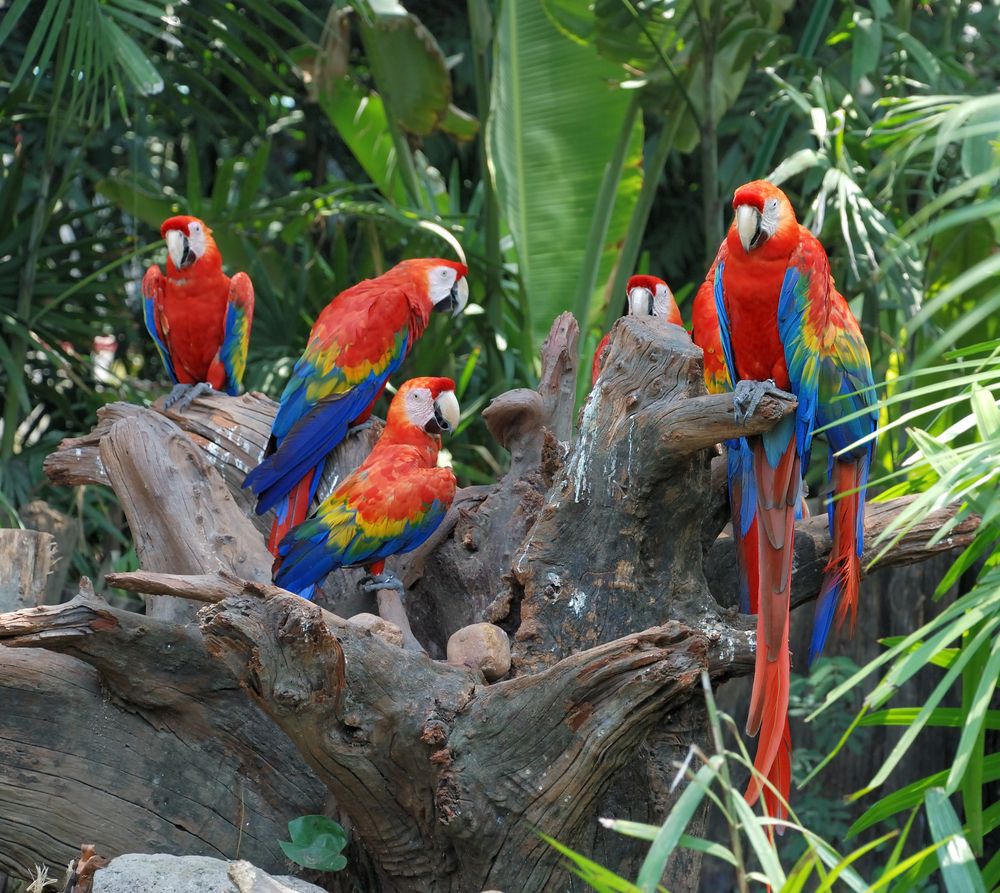
Tropical birds are a vast and fascinating category of birds that inhabit the tropical regions of the world. These birds are characterized by their vibrant colors, melodious songs, and complex behaviors. They have adapted to life in warm and humid climates and feed on a variety of fruits, insects, and nectar.
The tropical regions of the world serve as the natural habitat for many species of tropical birds, including paradise birds, toucans, hummingbirds, and many others. These birds are renowned for their beauty and diversity, and are often the subject of study by ornithologists and bird enthusiasts. In this article, we will explore some of the most interesting species of tropical birds, along with their unique characteristics and behaviors.
Classification of Tropical Birds
Tropical birds belong to a group of birds that live in the tropical regions of the world. These birds are known for their beauty, vibrant colors, and unique behaviors. The classification of tropical birds is based on their morphology, habitat, behavior, and physical characteristics.
Here are some of the most common orders of tropical birds:
- Psittaciformes: This order includes parrots, macaws, lorikeets, and lovebirds. They are known for their bright colors and ability to mimic human speech.
- Passeriformes: This order includes songbirds such as finches, sparrows, and warblers. They are known for their melodious songs and intricate nesting habits.
- Trogoniformes: This order includes trogons, which are known for their brightly colored feathers and unique behaviors.
- Columbiformes: This order includes doves and pigeons, which are known for their ability to fly long distances and return to their nests.
- Apodiformes: This order includes hummingbirds and swifts, which are known for their agility and speed.
In addition to these orders, there are also other species of tropical birds such as the birds of paradise, gruitae, and cuckoos. The classification of tropical birds is constantly evolving, with new discoveries and findings being made regularly.
Habitat and Distribution
Tropical birds can be found in the equatorial regions of the world, including Central America, South America, Africa, and Southeast Asia. These regions offer the ideal environment for these birds to survive and thrive.
The primary habitat for tropical birds is the forest, particularly the rainforest. The forests provide a diverse range of plants and animals that serve as food sources and shelter for the birds. Some species of tropical birds are also found in other habitats such as savannas and mangrove swamps.
Here are some examples of specific habitats where tropical birds can be found:
- Forests: The forest is the primary habitat for many species of tropical birds, including paradise birds, toucans, and hummingbirds.
- Savannas: Savannas are another habitat where tropical birds can be found, particularly species such as the gruitae and cuckoos.
- Mangrove swamps: Mangrove swamps provide a unique environment for some species of tropical birds to live in.
Tropical birds have adapted to their environments in various ways. For example, they may have developed specific behaviors or physical characteristics that enable them to survive and thrive in their habitats.
Adaptations
Tropical birds have developed several adaptations that allow them to survive and thrive in their environments.
- Mimicry: Some species of tropical birds have developed the ability to mimic other sounds, such as bird calls or even human speech. This allows them to communicate with other members of their species and to attract mates.
- Coloration: Many species of tropical birds have bright colors that serve as a form of communication and camouflage. For example, some species may have bright colors to signal dominance or courtship behavior.
- Camouflage: Some species of tropical birds have developed camouflage techniques, such as blending in with their surroundings or having patterns on their feathers that help them blend in. This allows them to avoid predators and sneak up on prey.
In addition to these adaptations, tropical birds have also developed unique behaviors that allow them to survive and thrive in their environments.
- Migration: Some species of tropical birds migrate to new habitats during different times of the year, often in search of food or better living conditions. This allows them to adapt to changing environmental conditions and ensure their survival.
- Social behavior: Many species of tropical birds are social animals that live in flocks or groups. They have developed complex social behaviors that allow them to communicate with each other and cooperate to achieve common goals.
In conclusion, the world of tropical birds is fascinating and diverse, with many unique characteristics and behaviors. Understanding these adaptations can help us better appreciate the importance of preserving their habitats and preventing the decline of these amazing creatures.
Conservation Efforts
Tropical birds are facing numerous threats to their survival, including habitat loss, fragmentation, and degradation. These changes have a ripple effect throughout entire ecosystems, leading to the loss of biodiversity and the decline of many species.
To address these challenges, conservation efforts are necessary to protect the habitats and populations of tropical birds. Some strategies that can be employed include:
- Habitat preservation: Preserving and protecting existing habitats is essential for the long-term survival of tropical birds.
- Reforestation: Reforestation efforts can help to restore degraded habitats and provide new opportunities for tropical birds to thrive.
- Community engagement: Engaging local communities in conservation efforts can help to raise awareness about the importance of protecting tropical bird habitats.
In addition to these strategies, there are also many organizations and initiatives that are working tirelessly to protect and conserve tropical bird populations. Some examples include:
- The International Union for Conservation of Nature (IUCN): The IUCN is a global organization that works to protect and preserve threatened species, including tropical birds.
- BirdLife International: BirdLife International is a network of conservation organizations working together to protect and conserve bird populations around the world.
- The World Wildlife Fund (WWF): The WWF is an international organization that works to protect and preserve wildlife, including tropical birds.
By supporting these efforts and adopting sustainable practices in our own lives, we can all play a role in protecting and conserving the world’s most amazing creatures.


