
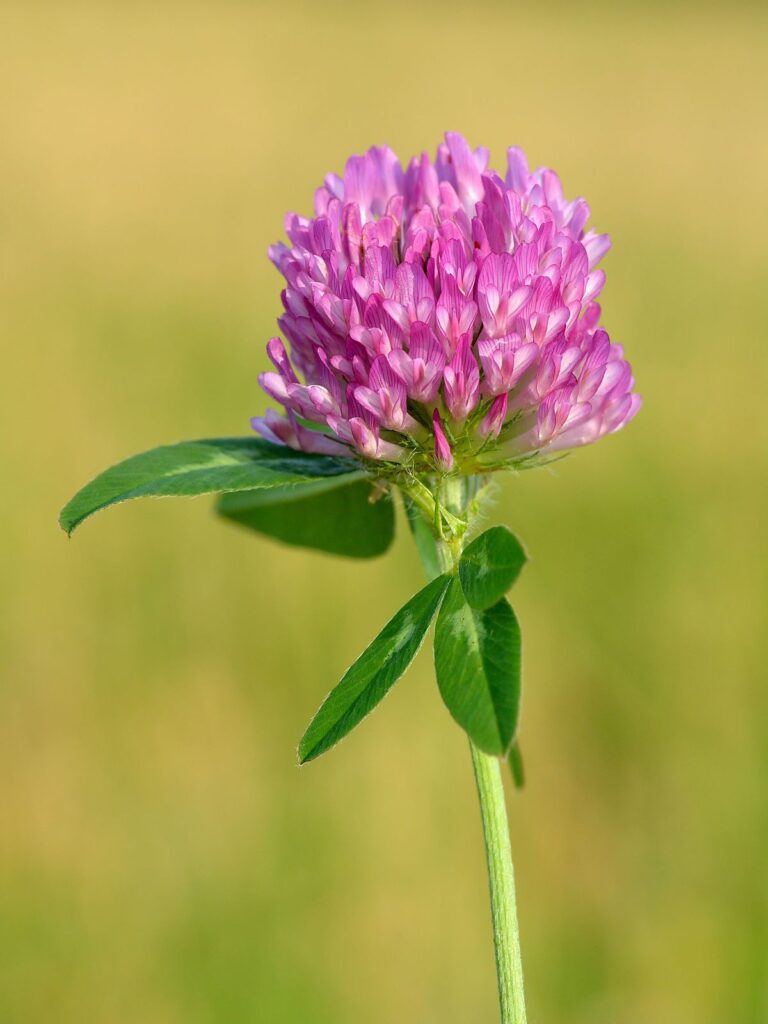
As we strive to create sustainable and environmentally friendly farming practices, it’s essential to explore alternative crops that can thrive in various conditions. One such crop is the Red Clover (Trifolium pratense), an annual herbaceous plant with a rich history of use in forage purposes, medicine, and ornamental cultivation. In this article, we’ll delve into the world of Red Clover, exploring its benefits, cultivation requirements, and uses, to help you unlock its full potential.
A Brief History of Red Clover
Red Clover has been cultivated for centuries, with its origins dating back to Europe, western Asia, and northeast Africa. The plant’s versatility and adaptability made it an attractive crop for ancient civilizations, who used it for a variety of purposes, including forage, medicine, and ornamental decoration.
Understanding the Plant: Leaves, Flowers, and Fruit
The Red Clover is a member of the Fabaceae family (Legumes) and is characterized by its three oval-shaped leaves, which range in length from 1-3 cm. The leaves’ central parts are lighter, while the marginal part darkens, making them ornamental. The flowers consist of five petals joined together in a calyx consisting of five sepals, with colors varying from pink to deep pink, purple, and sometimes white.
The fruits of Red Clover develop from the flowers and contain legumes with heart-shaped seeds. These fruits vary in color, ranging from yellow to purple.
Cultivation Requirements
Red Clover thrives well in temperate climates with temperatures below 30-35°C. However, it can adapt better to high temperatures by adjusting its growth patterns. When grown as an alternative to grasslands, Red Clover does not require mowing and is highly resistant to weeds.
In forage cultivation, the lifespan of Red Clover ranges from 7 years in cooler climates to approximately 3 years in warmer climates. It grows well in shaded areas and competes effectively with weeds.
Growing Red Clover: A Simple yet Effective Process
Growing Red Clover is relatively easy, requiring minimal inputs. The plant has few requirements, including humidity, which can tolerate dryness but prefers drenched terrains that avoid stagnant water.
Red Clover thrives on various types of soil but prefers deep, slightly argillaceous terrains for optimal yield. It absorbs phosphorus and potassium rapidly and must be considered during fertilization.
Selecting the Right Variety
There are several Red Clover varieties, each with its unique characteristics:
- Early blooming: Blooms between April and May, requiring very fertile soil.
- Medium-blooming variety: Blooms from late May, two weeks after the early blooming variety.
- Late blooming and extra-tardy varieties: Both bloom in late May to late June, with a two- or three-week difference from the medium variety.
All varieties thrive when temperatures range between 7°C and 30°C.
When to Sow Red Clover Seeds
Trifolium pratense seeds can be sown at the beginning of autumn. With a timely sowing (typically between late September to early October), it will give an abundant harvest in the first year after planting.
To determine if you should sow in autumn, ask yourself: How much time is there before the frost? If the answer is at least a month, then sowing in autumn!
Sowing Seeds and Maintaining Red Clover
Sowing seeds can be done by sprinkling them. With an autumn sowing, you will get a completely green lawn from the first spring onwards! In spring, the Red Clover will quickly grow until it produces its first flowers between April and June, depending on the chosen variety.
Once the seeding is completed, cover everything with a mixture of soil and compost or sow seeds more evenly with fertilizer.
Pest Management
Red Clover can be susceptible to pests like aphids, flea beetles, and slugs. Regular monitoring and maintaining cleanliness can help control pest populations.


