
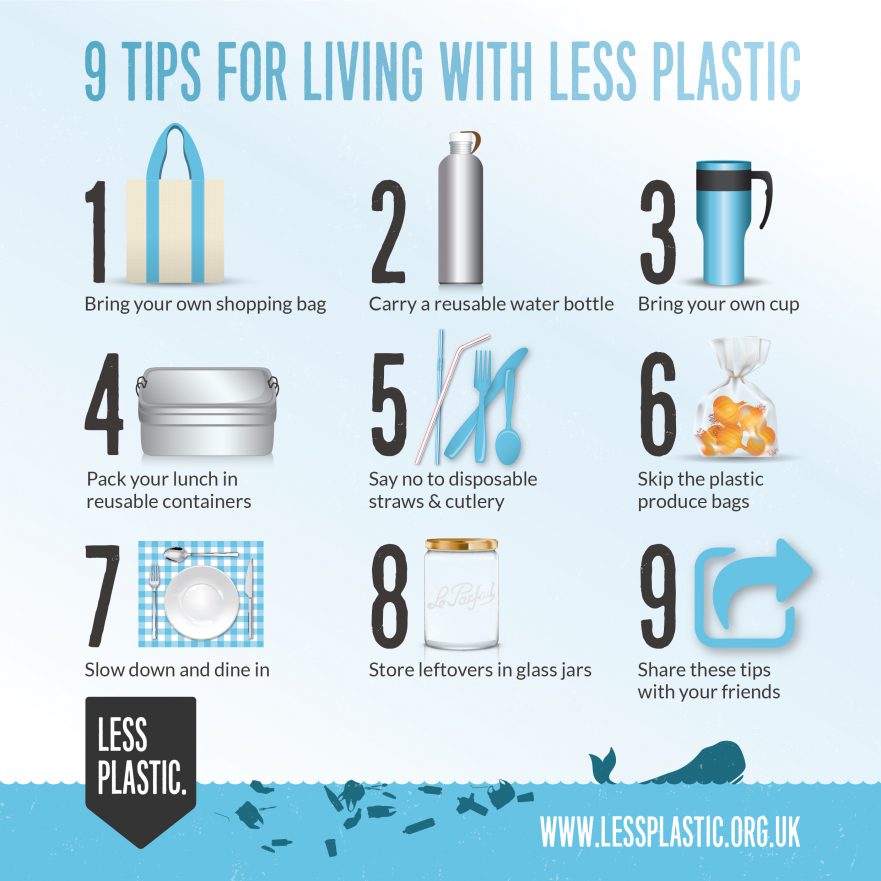
As we all know today, it’s essential to take drastic measures to reduce the amount of plastic we inject into our planet. Whether it’s too late or not, better now than never – here are some tricks to help you live without plastic.
We often find ourselves surrounded by plastic in every aspect of our lives. From drinking water to shopping and socializing, it’s hard to avoid plastic altogether. But there are small habits that can make a big difference.
Ditching Plastic Bottles: A Safer Alternative
Bottled water is a classic problem we all face. Instead of carrying around a plastic bottle, consider investing in a colorful refillable bottle. Not only will you save money and reduce plastic waste, but you’ll also avoid exposure to harmful chemicals like polystyrene and trioxane.
Stainless steel bottles are great for hot beverages as well as cold drinks. Look for one with insulation to keep your coffee or tea warm for hours. Glass bottles are another popular choice that can be used for both water and acidic beverages like juice or soda.
When shopping for a new bottle, consider the following features:
- Insulation: This will help keep your drink at the right temperature for longer.
- Durability: A sturdy bottle will withstand daily use without cracking or shattering.
- Capacity: Choose a size that fits your needs. If you’re always on-the-go, opt for a compact option.
Cannucces Without Plastic
When it comes to drinking cocktails or smoothies, those pesky plastic straws are a major nuisance. Many bars and restaurants are starting to adopt the straw-free movement, and we can join in by bringing our own reusable cannucce made from paper, bamboo, or bioplastic.
If you’re worried about getting dirty or concerned about hygiene, consider investing in a glass or stainless steel straw instead.
Paper straws are another eco-friendly option. However, they may not be the most durable choice for long-term use. Bamboo straws are lightweight and sustainable but can be more expensive than plastic alternatives.
Ditching Plastic Utensils: A Picnic Problem Solved
Who doesn’t love a good picnic? But with plastic utensils, it’s easy to ruin the fun. Instead of using disposable plastic forks, knives, and spoons, opt for reusable alternatives made from wood, bamboo, or stainless steel.
Wooden utensils are not only biodegradable but also add a touch of natural elegance to your outdoor gatherings. Bamboo utensils are lightweight and resistant to corrosion, making them perfect for camping trips or beach days.
Stainless steel utensils are durable and easy to clean, making them ideal for frequent use. Look for sets that include a variety of sizes and shapes to suit different tasks.
Reducing Plastic Containers: A Cleaning Conundrum
We all love to collect stuff, whether it’s kitchenware or household items. But often, those containers end up in the trash as single-use plastics. By switching to reusable containers made from stainless steel, glass, or silicone, you can reduce plastic waste and save money on replacements.
Silicone containers are flexible, non-toxic, and easy to clean, making them perfect for storing leftovers or snacks. Glass containers are a great alternative for storing dry goods like grains or coffee, while stainless steel containers are ideal for storing food in the fridge or freezer.
When choosing reusable containers, consider the following features:
- Durability: Look for containers that can withstand regular use without breaking or cracking.
- Aesthetics: Choose a design that fits your personal style and complements your kitchen decor.
- Size: Select containers that fit comfortably in your storage space and suit your needs.
Saying Goodbye to Single-Use Plastic Bags
Shoppers have long been obsessed with single-use plastic bags, but it’s time to rethink this habit. Instead of using disposable bags every time you shop, consider carrying a reusable bag made from cotton, jute, or canvas.
Reusable bags are not only eco-friendly but also come in a variety of stylish designs and sizes. They’re perfect for grocery shopping, carrying groceries home, or as a tote bag for daily errands.
When choosing a reusable bag, consider the following features:
- Material: Cotton, jute, or canvas bags are all durable and sustainable options.
- Size: Opt for a size that fits comfortably in your hands and can hold what you need.
- Style: Choose a design that suits your personal style and complements your wardrobe.
Living Without Plastic: The Ultimate Challenge
If you’ve found that reducing plastic has made you feel more confident and motivated, it’s time to take the next step. Take inspiration from Chantal Plamondon and Jay Sinha, a Canadian couple who wrote “Happily Living Without Plastic.” Read their book for more tips and ideas on how to live without plastic.
Tips for Maintaining Your Plastic-Free Lifestyle
- Start small: Begin by making one or two changes to your daily routine and gradually increase the number of habits you adopt.
- Find inspiration: Surround yourself with like-minded individuals who share your values and goals.
- Educate others: Share your knowledge with friends and family to encourage them to join the plastic-free movement.
- Be patient: Changing habits takes time, so be kind to yourself and celebrate small victories along the way.
Common Challenges and Solutions
Q: What can I use instead of plastic straws?
A: Consider reusable straws made from paper, bamboo, or bioplastic. You can also invest in glass or stainless steel straws for a safer alternative.
Q: How can I reduce plastic waste at home?
A: Start by switching to reusable containers, bags, and utensils made from materials like stainless steel, glass, or silicone.
Q: What are some eco-friendly alternatives to plastic bottles?
A: Consider investing in refillable water bottles made from stainless steel or glass. You can also opt for glass or metal bottles with built-in filters for a safer drinking experience.
Q: How can I make my daily routine more sustainable?
A: Start by making small changes like using reusable bags, containers, and straws. Gradually increase your sustainability efforts as you become more comfortable with the new habits.
Q: What’s the best way to store food in a plastic-free kitchen?
A: Consider using stainless steel or glass containers for storing dry goods like grains or coffee. You can also opt for silicone containers for easy cleaning and flexibility.
Q: How can I reduce plastic waste when shopping?
A: Bring reusable bags, containers, and straws with you every time you shop. Opt for items sold in bulk or buy products with minimal packaging.
Conclusion
Reducing plastic waste is a challenge we all face, but it’s not impossible. By incorporating these simple tricks into your daily routine, you can make a significant impact on living a more sustainable life. Remember to start small, find inspiration, and be patient as you work towards creating a plastic-free lifestyle.
So go ahead, take the first step towards a plastic-free lifestyle – you’ll be amazed at how easy it is to live without plastic.


