
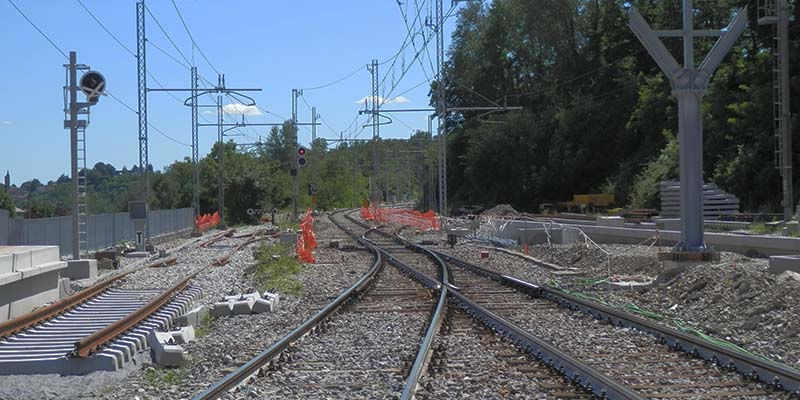
As we strive for a more sustainable future, it’s essential to revisit and revitalize areas that have been neglected or overlooked. In this context, the Sustainable Forestation Project Piantalalì by FNM and Trenord is a game-changer. This ambitious initiative aims to restore 41 million acres of land along the Ferrovienord railway corridor, making it an even more sustainable ecosystem.
A Sustaining Ecosystem: The Importance of Piantalalì
The Sustainable Forestation Project Piantalalì, developed by Trenord in collaboration with FNM, is part of a larger FilI initiative – a comprehensive plan to revitalize the primary rail connection hubs across Ferrovienord. This project not only aims to create a greener environment but also promotes innovative architectural designs and sustainable practices.
A Greener Future: Planting Native Species
The project involves planting native species suitable for the local environment, which will be implemented in 24 municipalities along the railway corridor. The chosen plants are carefully selected based on their adaptability to the specific climate conditions and soil types of each area. These efforts will include:
- Specimen replanting: Replacing damaged or dying trees with new, healthy specimens.
- Green infrastructure creation: Establishing green spaces along the railway corridor, enhancing biodiversity and providing a natural oasis for local residents.
- Urban renewal initiatives: Collaborating with local authorities to develop comprehensive urban renewal plans, promoting sustainable development and environmental stewardship.
A Commitment to Sustainability: Trenord’s Vision
Trenord’s CEO, Marco Piuri, emphasizes the significance of this project: “Piantalalì is an invitation to care for our planet. We’re not just planting trees; we’re restoring connections between people, nature, and transportation networks.” By investing in sustainable forestation, Trenord aims to create a greener future, where urbanization and infrastructure development are balanced with environmental conservation.
Implementing the Project: Paderno Dugnano and Beyond
Trenord has recently initiated work on the second phase of Piantalalì at Paderno Dugnano, building upon the success of the 2022 pilot project in Cormano. The new initiative involves two areas totaling 8,000 square meters, which will undergo a thorough restoration process to reestablish native vegetation and provide green spaces for local residents.
Funding Support: Collaboration with the Fondazione Lombardia per l’Ambiente (FLA)
The FLA’s partnership plays a crucial role in ensuring the project’s success. By collaborating with Trenord, the foundation will contribute expertise in environmental sustainability, allowing for the development of effective and eco-friendly solutions.
FILI: A Comprehensive Plan for Sustainable Development
Piantalalì is an integral part of the larger FilI initiative, which aims to enhance the urban experience by incorporating green spaces, innovative architecture, and sustainable practices. By reviving the railway corridor, FILI hopes to create a model for future development that prioritizes environmental stewardship.
A Greener Tomorrow: The Impact of Piantalalì
The Sustainable Forestation Project Piantalalì has the potential to transform urban landscapes, providing a more sustainable and livable environment for residents. By embracing innovative practices and collaborating with local authorities, Trenord is taking a significant step towards creating a greener future.
Benefits of Sustainable Forestation
- Climate Change Mitigation: Planting trees helps absorb carbon dioxide from the atmosphere, reducing greenhouse gas emissions.
- Biodiversity Conservation: Native species planted in Piantalalì will support local ecosystems and promote biodiversity.
- Improved Air Quality: By establishing green spaces along the railway corridor, air pollution can be reduced, improving overall air quality.
Challenges and Opportunities
While Piantalalì presents numerous benefits, there are also challenges to consider:
- Land Management: Effective land management is crucial to ensure the project’s success and minimize potential risks.
- Community Engagement: Engaging with local communities and stakeholders is vital for ensuring their support and participation in the project.
- Financing: Securing funding for large-scale projects like Piantalalì can be a significant challenge.
Conclusion
The Sustainable Forestation Project Piantalalì represents a significant step towards creating a more sustainable future. By collaborating with local authorities, incorporating innovative practices, and prioritizing environmental stewardship, Trenord is taking a leading role in transforming urban landscapes.


