
Why Hike with Your Dog?
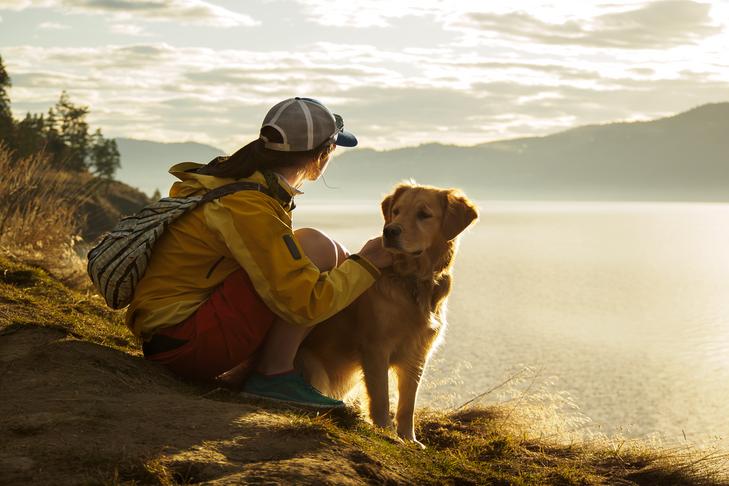
Hiking with dogs can be an incredible experience for both you and your furry companion. Not only does it provide exercise and mental stimulation, but it also strengthens the bond between you and your dog. However, it’s essential to approach hiking with your dog with caution and preparation.
Dogs are natural athletes and love exploring new environments. Hiking provides them with an opportunity to engage in physical activity, sniff out new smells, and experience a range of sights and sounds. By joining forces on the trails, you’ll not only improve your dog’s physical health but also enhance your emotional well-being. Many dogs thrive under the stress-reducing effects of hiking, which can lead to reduced anxiety and improved overall behavior.
On the other hand, for humans, hiking provides numerous benefits as well. Regular exercise can help improve cardiovascular health, boost mood, and increase energy levels. Being outdoors has been proven to have a positive impact on mental health by reducing symptoms of depression and anxiety.
Understanding Mountain Sickness in Dogs
Before we dive into the tips and advice, let’s talk about mountain sickness in dogs. This condition is similar to altitude sickness in humans and can cause symptoms such as labored breathing, exhaustion, frequent coughing, and distress even at rest. It’s crucial to monitor your dog closely throughout the hike and be prepared for any unexpected issues.
Mountain sickness in dogs occurs when they are exposed to high altitudes too quickly or without proper acclimatization. As altitude increases, atmospheric pressure decreases, leading to a lack of oxygen available to the body. Dogs, being larger animals than humans, are more susceptible to this condition due to their higher metabolic rates.
If left untreated, mountain sickness can lead to life-threatening complications such as respiratory failure and even death. However, with proper identification, treatment, and preventative measures, the risk of adverse effects can be minimized significantly.
Essential Documents for Your Dog
Before embarking on a hiking adventure with your dog, ensure you have all the necessary documents. These include:
- A microchip: This is crucial in case your dog becomes lost or separated from you during an emergency.
- Health record: Keep a detailed health record of your dog’s medical history, vaccinations, and any medications they may be taking.
- ID tag with name and contact information: Ensure that your dog’s identification tags are up-to-date and securely attached to their collar.
- Registration certificate from the canine registry: This will help identify your dog in case they are lost or stolen.
Nutrition and Hydration for Dogs
Dogs require more suitable nutrition than humans, especially when it comes to digestion. Aim to feed your dog its last meal at least three hours before starting a hike to avoid digestive issues. Choose high-quality dog food that is rich in fiber and protein, which can help keep your dog energized throughout the day.
In addition to regular meals, ensure that your dog has access to fresh water throughout the hike. You may also want to consider packing healthy snacks such as fruits, vegetables, or training treats to keep them satisfied during breaks.
Packing Essentials for Hiking with Your Dog
- Water for both of you: Bring enough water to last you and your dog throughout the day.
- Snacks and treats (use sparingly as rewards): Choose healthy snacks that are easy to carry and don’t spoil easily, such as jerky or dried fruits.
- Leash and whistle: A leash will help maintain control during hikes with difficult terrain or wildlife encounters. Bring a whistle to signal for your dog in case they become separated from you.
- Plastic bags and scoop for waste collection: Properly dispose of your dog’s waste by using biodegradable plastic bags and scooping it into a designated container.
- Emergency kit with essentials like oxygen, bandages, pain relievers, needles, tweezers, and antiseptic cream: Accidents can happen even to the best-prepared hikers. Be prepared for unexpected situations with an emergency kit that includes essential supplies.
Safety First: Harnesses and Muzzles
Choose a sturdy harness that ensures your dog’s safety. Harnesses distribute the weight evenly across your dog’s chest, reducing pressure on their neck and shoulders. Avoid using collars or choke collars as they can cause discomfort and even injury to your dog.
Muzzles are also essential if you’re hiking in areas with ski lifts or traversing through rugged terrain. Not only will this protect your dog from getting lost or injured, but it’ll also show respect for other hikers. Muzzles come in various styles and materials, including nylon or leather. Choose one that fits comfortably around your dog’s muzzle without restricting their breathing.
Regulations and Respect for the Environment
Before embarking on a trekking trip with your dog, consult guides or ask the CAI (Italian Alpine Club) for information. Some natural areas may have strict regulations regarding dogs, so it’s essential to check beforehand. Remember, we’re not just hiking for ourselves; we’re also responsible for protecting wildlife and the environment.
Always keep in mind that some protected areas and national parks prohibit dogs due to sensitive habitats or endangered species concerns. Be sure to verify local rules and regulations before heading out on a hike with your dog.
Dog Supplements: Boosting Your Dog’s Performance
Just like humans, dogs need supplements to compensate for lost nutrients. There are various types of dog supplements available, including mineral salts, amino acids, and sugars. Some products serve purely energetic functions, while others help with hot weather or specific health issues. Consult your veterinarian before purchasing any supplements.
Some common benefits associated with dog supplements include:
- Reduced shedding: Omega-3 fatty acid supplements can significantly reduce shedding.
- Improved digestion: Probiotics can support a healthy gut microbiome and improve digestion.
- Enhanced immune function: Boosting the immune system with supplements like vitamin C or Echinacea can provide added protection against illness.
Pre-Hike Preparation
Before embarking on a hike, take some time to prepare your dog mentally and physically. This includes:
- Acclimatization: Allow your dog to adjust to higher altitudes gradually by taking shorter hikes with regular breaks.
- Training: Teach basic obedience commands like “sit,” “stay,” and “come” to ensure that you can maintain control during the hike.
- Gear check: Double-check your gear, including food, water, and supplies, to ensure you’re well-prepared.
On-Hike Etiquette
When hiking with your dog, remember to follow some essential etiquette rules:
- Keep a leash in hand at all times to maintain control during hikes.
- Clean up after your dog promptly by disposing of waste properly.
- Be mindful of wildlife and keep a safe distance from animals.
- Respect other hikers’ space and avoid obstructing trails.
Conclusion: Enjoy a Safe and Fun Hiking Adventure with Your Dog
Hiking with dogs can be an incredible experience, but it requires careful planning, preparation, and attention to detail. By understanding mountain sickness, packing the right essentials, and showing respect for the environment, you’ll be well on your way to a fun and safe adventure with your furry companion.
Frequently Asked Questions
-
Q: Can I hike with my dog in any terrain?
A: No, some areas may have restrictions or hazards that could pose a risk to your dog’s safety. Be sure to check local regulations before embarking on a hike. -
Q: What are the benefits of hiking with my dog?
A: Hiking with dogs provides exercise and mental stimulation for both you and your furry companion, strengthening your bond and improving overall health. -
Q: How do I know if my dog has mountain sickness?
A: Monitor your dog’s behavior closely throughout the hike, looking out for symptoms like labored breathing, exhaustion, frequent coughing, and distress even at rest. -
Q: Can I use a standard leash for hiking with my dog?
A: While a standard leash may suffice in some situations, consider investing in a sturdy harness to ensure your dog’s safety. -
Q: Are there any specific regulations regarding dogs in natural areas?
A: Yes, some areas may have strict regulations or prohibitions on dogs due to wildlife concerns and environmental protection. -
Q: Can I give my dog human food while hiking?
A: No, it’s best to stick to dog treats and snacks specifically designed for canine consumption. -
Q: What is the importance of microchipping my dog?
A: Microchipping your dog provides a quick and easy way to identify them if they become lost or separated from you during an emergency. -
Q: How often should I feed my dog before a hike?
A: Aim to feed your dog its last meal at least three hours before starting the hike to avoid digestive issues.
By following these guidelines and tips, you’ll be well on your way to a fun and safe hiking adventure with your furry companion. Happy trails!


