
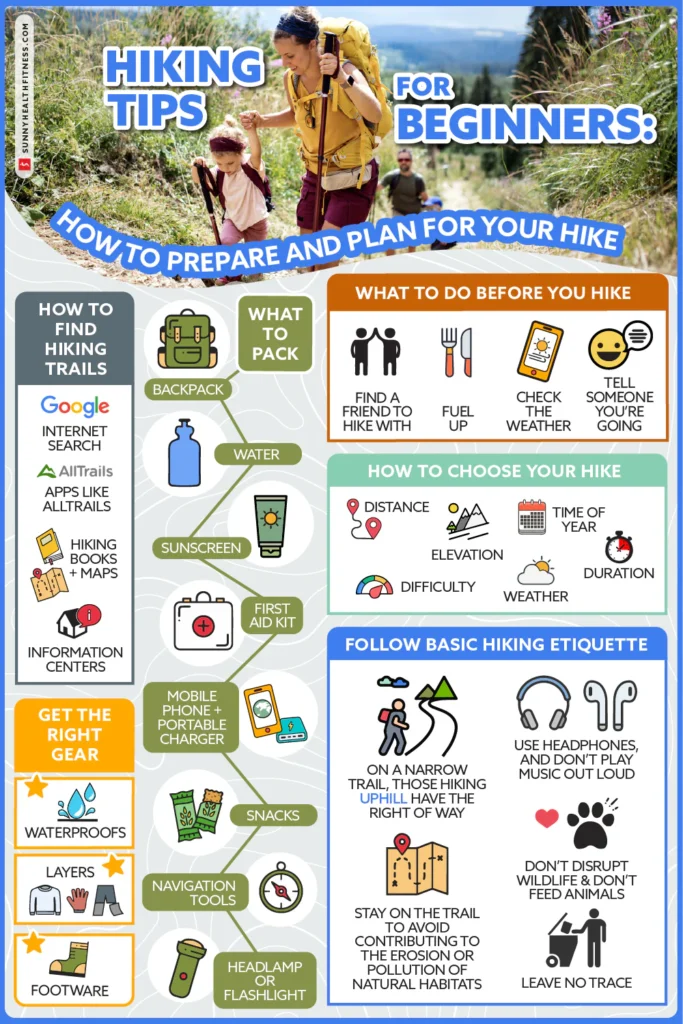
Trekking is an exhilarating experience that allows you to connect with nature and challenge yourself physically. However, it can also be intimidating, especially for beginners. That’s why we’ve compiled a list of essential tips to help you prepare for your next trekking adventure.
Getting Started: Essential Gear and Preparation
Before embarking on any trekking journey, make sure you have the right gear and preparation in place. Here are some key items to consider:
- Good quality hiking shoes: A good pair of hiking boots or shoes is essential for a comfortable and safe trekking experience. Look for shoes with sturdy soles, ankle support, and breathable materials.
- Water and snacks: Bring enough water and snacks to keep you hydrated and energized throughout your journey. Aim to bring at least 2-3 liters of water per person and some high-energy snacks like nuts or dried fruits.
- First aid kit: Always carry a first aid kit with basic medical supplies, such as bandages, antiseptic wipes, pain relievers, and any personal medications. Make sure to check the expiration dates of any medications and replace them as needed.
- Headlamp or torch: If you plan on trekking in low light conditions, bring a headlamp or torch to ensure you can see where you’re going. Look for one with extra batteries and a red light mode to preserve your night vision.
- Map and compass: Even with modern technology, it’s always a good idea to bring a map and compass as a backup. Make sure to choose a map that is specifically designed for the area you’ll be trekking in and knows the terrain well.
Respecting the Environment
Trekking is not just about reaching the summit; it’s also about respecting the environment and leaving no trace behind. Here are some tips to help you do so:
- Stay on marked trails: Avoid taking shortcuts or straying from designated trails, which can lead to erosion and damage to sensitive ecosystems. Stay on the trail and enjoy the views while knowing that your actions won’t harm the environment.
- Don’t litter: Refrain from throwing away trash or disposable items, and make sure to pack out any waste with you when you leave. This includes food scraps, packaging materials, and other non-biodegradable items.
- Respect wildlife: Keep a safe distance from animals and avoid disturbing their habitats. If you encounter wildlife on the trail, stay calm and slowly back away from the area without approaching or touching the animal.
Navigating Uncertain Terrain
Trekking can be unpredictable, especially in areas with dense forests or steep terrain. Here are some tips to help you navigate uncertain terrain:
- Use a GPS device or app: Consider investing in a GPS device or using a mapping app on your smartphone to help navigate challenging terrain. Make sure to download maps and routes before heading out and bring extra batteries for your GPS device.
- Carry extra batteries: Bring spare batteries for your GPS device, flashlight, or other essential tools. You never know when you might need them!
- Use natural navigation techniques: Learn how to use the sun, stars, and landmarks to navigate through uncertain terrain. This can be a fun and rewarding way to explore the outdoors.
Preparing for the Unexpected
Trekking can be unpredictable, and unexpected challenges may arise. Here are some tips to help you prepare for the unexpected:
- Check the weather forecast: Before setting out, check the weather forecast and adjust your plans accordingly. This includes checking the temperature, humidity, wind speed, and any potential storms.
- Know basic first aid: Take a first aid course or learn basic first aid skills to ensure you’re prepared in case of an emergency. This includes knowing how to treat common injuries like sprains, strains, and broken bones.
- Pack a portable stove: Consider packing a portable stove and cooking equipment if you plan on camping overnight. This will allow you to cook meals and stay warm during the night.
Trekking in the City
If you’re new to trekking, consider starting with urban treks. Not only are they easier on the feet, but they also provide a great way to get some exercise and enjoy the cityscape.
- Find local parks or trails: Look for local parks or trails that offer scenic views and challenging terrain. Consider visiting during off-peak hours to avoid crowds.
- Join a group tour: Consider joining a guided group tour to meet other like-minded individuals and learn new skills. This can be a great way to get started with trekking while staying safe.
Trekking in Remote Areas
If you’re planning on trekking in remote areas, make sure to take extra precautions to stay safe.
- Research the area: Research the terrain, climate, and potential hazards before setting out. Consider talking to local guides or experts who have experience with the area.
- Bring a satellite phone or two-way radio: If you’re trekking in an area with no cell service, consider bringing a satellite phone or two-way radio to stay in touch with emergency services in case of an emergency.
Trekking with a Group
If you’re planning on trekking with a group, make sure to take extra precautions to stay safe and enjoy the experience.
- Choose a leader: Choose a leader who has experience with trekking and knows the terrain well. This person can help guide the group and ensure everyone stays safe.
- Communicate clearly: Make sure to communicate clearly and respectfully among group members. This includes discussing plans, sharing knowledge, and respecting each other’s boundaries.
Conclusion
Trekking is an exhilarating experience that requires preparation, skill, and respect for the environment. By following these essential tips, you’ll be well on your way to a stress-free and enjoyable trekking adventure.
Frequently Asked Questions (FAQs)
- What should I wear for trekking?
- Wear comfortable hiking shoes or boots with good grip.
- Choose breathable clothing that’s suitable for the weather conditions.
- Don’t forget to pack layers for changing temperatures!
- How do I stay hydrated during a long hike?
- Bring enough water and snacks to keep you hydrated throughout your journey.
- Consider carrying a hydration bladder or refillable water bottle.
- What should I do in case of an emergency on the trail?
- Stay calm and think clearly.
- Call for help using a cell phone or two-way radio.
- Know basic first aid skills to treat minor injuries.
- How can I avoid getting lost while trekking?
- Always carry a map, compass, and GPS device or app.
- Use landmarks and trail markers to stay on track.
- What are some common hazards to watch out for while trekking?
- Steep drop-offs
- Inclement weather
- Wildlife encounters
By following these essential tips, you’ll be well on your way to a stress-free and enjoyable trekking adventure. Happy trails!


