
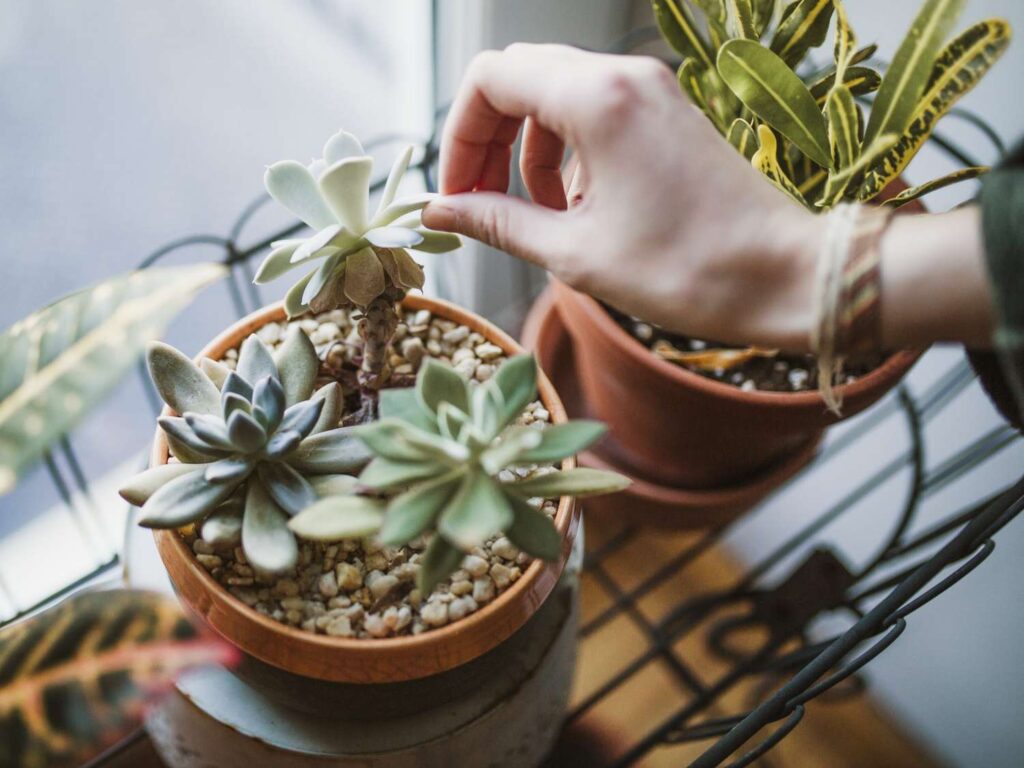
As a succulent enthusiast, you’re likely no stranger to the joy of growing these low-maintenance plants in your home or garden. But have you ever stopped to think about what makes them tick? How can you keep those plump, vibrant leaves healthy and thriving? In this article, we’ll delve into the world of succulent care, exploring the common pests that target these plants and providing expert advice on how to eliminate them.
Understanding Succulent Pests
Succulents are often thought of as low-maintenance plants, but even they can fall prey to pesky pests. These tiny critters can cause damage to your succulents’ leaves, stems, and roots, leading to weakened growth and reduced plant health. The most common pests that target succulents include:
- Mealybugs: Small, white insects with a cottony coating on their bodies. Mealybugs feed on the sap of succulents, causing damage to the leaves and stems.
- Spider mites: Tiny, spider-like creatures that feed on the sap of succulents, causing yellowing or bronzing of the leaves.
- Aphids: Small, soft-bodied insects that feed on the sap of succulents, causing curled or distorted leaves.
Identifying Pests
So, how do you know if your succulent is infested with pests? Look out for these common signs:
- White or yellowish spots: Mealybugs and spider mites can cause small, white or yellowish spots on the leaves of your succulent.
- Distorted or curled leaves: Aphids and other pests can cause leaves to become distorted or curled.
- Fine webbing: Spider mites can create fine webbing around the stems and leaves of your succulent.
Natural Treatment Options
While chemical pesticides can be effective, they’re not always the best solution. Here are some natural treatment options you can try:
- Soap solution: Mix 1 tablespoon of mild dish soap with 1 quart of water and spray the solution directly on the affected areas.
- Insecticidal soap: Use a commercial insecticidal soap to kill pests on contact.
- Neem oil: Mix neem oil with water according to the label instructions and spray the solution on the affected areas.
Using Insecticides
If you’re not comfortable with natural treatment options, here are some insecticides you can use:
- Imidacloprid-17.1: Use this insecticide as a preventative measure to control aphids and other pests.
- Rotenone: Use this insecticide as a last resort to kill pests on contact.
Prevention is Key
To keep your succulents healthy and pest-free, follow these prevention tips:
- Inspect your plants regularly: Regularly inspect your succulents for signs of pests.
- Keep your plants clean: Keep your plants clean by removing any debris or dust from the leaves.
- Use a balanced fertilizer: Use a balanced fertilizer to promote healthy growth and prevent pests.
Tips for Succulent Care
Here are some additional tips to help you care for your succulents:
- Provide good light: Most succulents require bright, indirect light to photosynthesize. Placing them near a sunny window or using grow lights can be beneficial.
- Water correctly: Water your succulents sparingly, as overwatering is the most common cause of death. Check the soil moisture by sticking your finger into the soil up to the first knuckle.
- Fertilize regularly: Feed your succulents with a balanced fertilizer during the growing season (spring and summer) to promote healthy growth.
Common Succulent Problems
Here are some common problems that can affect succulents:
- Overwatering: This is the most common cause of death for succulents. Make sure to check the soil moisture regularly and avoid watering too frequently.
- Underwatering: On the other hand, underwatering can also be detrimental to your succulent’s health. Make sure to water your succulent sparingly during the winter months.
- Root bound: If your succulent has outgrown its container, it may become root bound. Prune the roots by gently removing them from the pot and transplanting the plant into a larger container.
Propagation Techniques
Succulents can be propagated using various techniques:
- Leaf propagation: Cut off a healthy leaf and let it dry for a few days before planting it in soil.
- Stem cutting: Cut off a section of stem, remove lower leaves, and plant the cut end into soil.
- Division: Divide the roots of the succulent by gently removing them from the pot and re-potting the plant.
Conclusion
Caring for succulents can be a rewarding experience, but it requires attention to detail and knowledge of common pests. By understanding what makes succulents tick and using natural treatment options or insecticides as needed, you can keep your plants healthy and thriving.
Frequently Asked Questions
Q: How often should I water my succulent?
A: Water your succulent when the soil is dry to the touch, usually every 7-10 days in the summer and less frequently in the winter.
Q: What are some common pests that target succulents?
A: Mealybugs, spider mites, and aphids are some of the most common pests that target succulents.
Q: Can I use neem oil on my succulent?
A: Yes, you can use neem oil as a natural treatment option to kill pests on contact. However, be sure to follow the label instructions and test the solution on a small area first.
Q: How do I prevent pests from infesting my succulent?
A: Inspect your plants regularly, keep them clean, and use a balanced fertilizer to promote healthy growth and prevent pests.
Q: Can I use insecticides on my succulent?
A: Yes, you can use insecticides as needed to control pests. However, be sure to follow the label instructions and choose a product that is safe for your plant.
Q: How often should I fertilize my succulent?
A: Fertilize your succulent during the growing season (spring and summer) with a balanced fertilizer once a month.
Q: Can I propagate my succulent using cuttings?
A: Yes, you can propagate your succulent using cuttings. However, be sure to follow proper propagation techniques and provide the right conditions for the new plants to thrive.


