
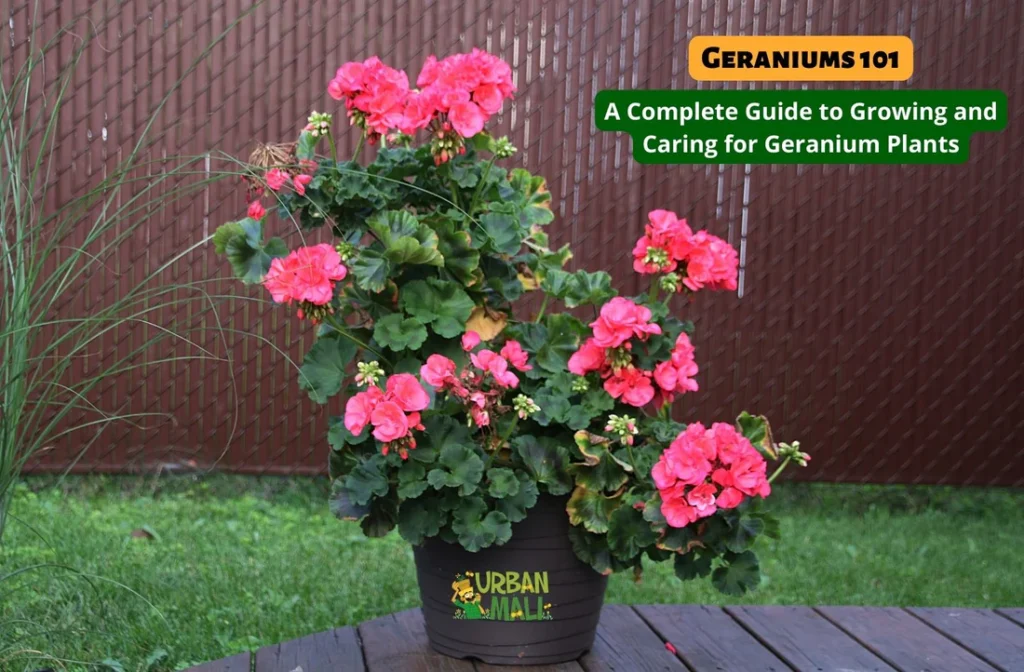
Are you ready to multiply your geranium collection? Look no further! This comprehensive guide will walk you through the process of transplanting geraniums, from preparing the soil to providing optimal care. Whether you’re a seasoned gardener or a beginner, this article has got you covered.
What is Geranium?
Before we dive into the nitty-gritty of transplanting geraniums, it’s essential to understand what these beautiful flowers are all about. The correct name of the plant is Pelargonium, and there are several species that are commonly grown indoors and outdoors. Some popular varieties include P. elegans, P. funchal, and P. grandiflora Orchard.
When to Transplant Geraniums?
The ideal time to transplant geraniums depends on your location and the specific variety of the plant. Generally, spring is the best season for transplanting geraniums, as the weather is mild and there’s ample moisture in the soil. However, if you’re looking to start a new geranium collection from seed or have recently purchased a potted plant, it’s perfectly fine to do so in the summer.
How to Transplant Geraniums
Transplanting geraniums involves several steps that ensure the health and well-being of your plants. Here’s what you need to know:
Preparing Your New Home
Before transplanting your geranium, make sure you have a new container with fresh soil that is slightly larger than the original pot.
1. Remove Old Soil
Take out as much old soil from the current pot as possible. If the roots are stuck in the soil, gently tease them apart using your fingers or a blunt instrument like an chopstick.
2. Hydrate the Roots
Water the geranium thoroughly to ensure the roots are well-hydrated before transplanting. This will make it easier for the plant to adjust to its new environment.
Pruning Old Stems
If you’re transplanting a mature geranium that has been grown indoors or outdoors, it’s essential to prune old stems before planting. Remove any dead or damaged branches to prevent disease and encourage healthy growth in your new pot.
1. Use Pruning Tools
Use clean pruning tools to trim the older stems, making sure not to damage the main stem or leave open wounds that could be susceptible to disease.
Planting Your Geranium
Now it’s time to plant your geranium in its new home! Here are some steps to follow:
1. Prepare a Fresh Potting Mix
Fill the new pot with fresh potting mix, leaving enough space for the roots of the geranium to expand.
2. Handle the Roots Carefully
Gently tease apart any tangled roots and place them in the fresh soil, making sure not to compact it too much.
3. Firm the Soil
Use your fingers or a blunt instrument like an chopstick to firm the soil around the roots, ensuring they’re secure in their new pot.
Additional Tips
Here are some additional tips to keep in mind when transplanting geraniums:
- Use a well-draining potting mix specifically designed for indoor plants.
- Avoid overwatering your geranium, as this can lead to root rot and other problems.
- Keep the soil consistently moist but not waterlogged.
Choosing the Right Vase
When it comes to choosing the right vase for your geraniums, there are a few things to consider:
- For Parisian-style geraniums, choose a deep pot with good drainage (at least 25 cm in depth).
- For zonal geraniums, select a larger container with a wider base (about 30 cm x 60-80 cm).
Watering and Maintenance
To ensure your geranium thrives in its new home:
- Water the plant thoroughly before transplanting.
- Use room temperature water to avoid shocking the roots.
- Avoid using tap water, which can be high in calcium and affect soil pH.
Common Mistakes to Avoid
When it comes to transplanting geraniums, there are several common mistakes to avoid. Here are a few:
- Overtransplanting: Don’t overdo it! Transplant your geranium too far or too often, and the plant may become stressed.
- Underwatering: On the other hand, make sure not to underwater your geranium, as this can lead to root rot and other problems.
- Insufficient Pruning: Don’t neglect pruning your geranium’s old stems before transplanting. This will help prevent disease and encourage healthy growth in your new pot.
Conclusion
Transplanting geraniums is a relatively straightforward process that requires some planning and care. By following these steps and tips, you’ll be able to give your plants the best chance of thriving in their new home.
Here are eight frequently asked questions related to transplanting geraniums:
-
What type of soil should I use for my geranium?
- Choose a well-draining potting mix specifically designed for indoor plants.
-
How often should I water my geranium?
-
Water the plant thoroughly before transplanting, and then keep the soil consistently moist but not waterlogged.
-
Can I grow geraniums in containers or do they need direct sunlight?
-
Geraniums can thrive in containers with proper care and protection from extreme temperatures.
-
What are some common diseases that affect geraniums?
-
Overwatering, root rot, and pests like aphids and spider mites are common issues for geraniums.
-
How long does it take for a geranium to bloom after transplanting?
-
Geraniums typically bloom within a few weeks of transplanting, depending on the specific variety and growing conditions.
-
Can I propagate new geranium plants using stem cuttings?
-
Yes, you can propagate new geranium plants by taking stem cuttings from healthy mother plants.
-
How do I care for my geraniums during the winter months?
-
Bring potted geraniums indoors and reduce watering to prevent root rot during the winter months.
-
Can geraniums be grown outdoors in areas with frost?
-
Yes, some varieties of geraniums can tolerate light frosts, but make sure to provide protection for young or sensitive plants.
By following these tips and answering your questions, you’ll be well on your way to growing happy and healthy geraniums.


