
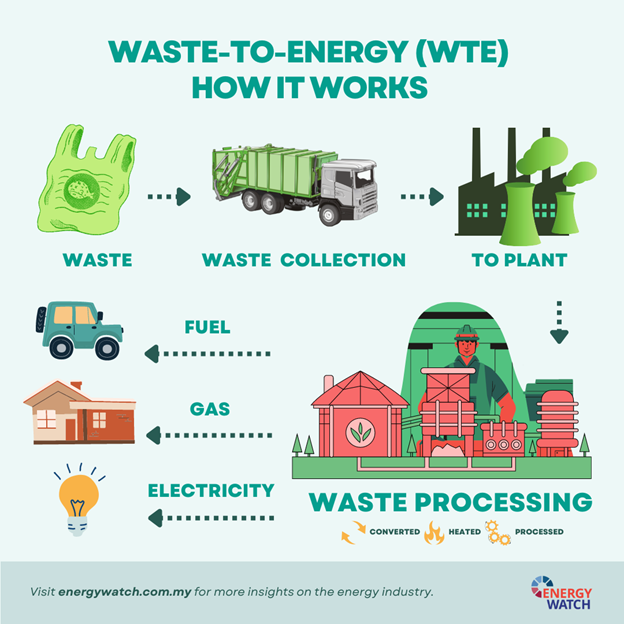
The world’s increasing energy consumption and waste production have led to a pressing need for sustainable solutions. One promising approach is transforming waste into energy, which can help reduce our reliance on fossil fuels. In this article, we’ll explore various strategies for converting waste into energy, including thermovalorization and biomass-based systems.
What are Thermovalorization Systems?
Thermovalorization systems are a method of transforming waste into energy through combustion in specialized furnaces. This process has several economic and energetic benefits, but it also raises environmental concerns. When organic solid urban wastes are combusted, they produce heat that can be used to generate electricity.
The Environmental Concerns of Thermovalorization
However, thermovalorization systems have their drawbacks. The combustion of large quantities of plastic materials can lead to the release of toxic chemicals like chlorine and dioxins into the atmosphere. Moreover, these systems pose economic challenges, as they require constant maintenance or replacement.
How Do Thermovalorization Systems Work?
Thermovalorization systems work by burning organic solid urban wastes in specialized furnaces. The waste produces heat, which is used to generate steam. This steam drives a turbine to produce electricity. For every megawatt of electricity generated, a thermovalorization system requires approximately 16,000 tons of waste.
The Biomass-Based Approach
Biomass-based systems are another approach to converting waste into energy. These systems burn organic materials such as agricultural waste, forestry residues, and food waste. This process produces heat that can be used to generate electricity.
Comparing Thermovalorization and Biomass-Based Systems
Thermovalorization and biomass-based systems share similarities in their operation. However, they have different environmental implications. The combustion of organic materials in biomass-based systems produces CO2 emissions similar to those generated by waste incineration.
Advantages of Biomass-Based Systems Over Thermovalorization
Biomass-based systems offer several advantages over thermovalorization systems. For instance, biomass-based systems can utilize a wider range of organic materials, including agricultural waste and forestry residues. Additionally, these systems tend to have lower operating costs compared to thermovalorization systems.
Disadvantages of Biomass-Based Systems
However, biomass-based systems also have their drawbacks. One major disadvantage is the requirement for large amounts of water for gasification processes, which can lead to water scarcity issues in areas where water is already scarce.
Other Strategies for Converting Waste into Energy
There are other strategies for converting waste into energy, including gasification and fermentation processes. These methods can produce biogas, a renewable energy source that can be used to generate electricity or heat.
Gasification Processes: A Promising Alternative
Gasification processes involve the conversion of organic materials into syngas, a mixture of carbon monoxide and hydrogen. This process can produce biogas, which can be used to generate electricity or heat.
Fermentation Processes: A Sustainable Option
Fermentation processes involve the breakdown of organic materials through microorganisms, such as bacteria and yeast. These processes can produce biogas, a renewable energy source that can be used to generate electricity or heat.
The Future of Waste-to-Energy Technology
As the world transitions towards sustainable energy solutions, waste-to-energy technology is becoming increasingly important. Researchers are exploring new technologies to improve efficiency and reduce environmental impact.
Conclusion
Converting waste into energy is a promising solution for reducing our reliance on fossil fuels. Thermovalorization, biomass-based systems, gasification processes, and fermentation processes offer viable alternatives for generating electricity and heat from organic materials. As we move forward, it’s essential to prioritize sustainable energy solutions that minimize environmental harm.
Frequently Asked Questions
Q: What are the main benefits of thermovalorization systems?
A: Thermovalorization systems have economic and energetic benefits, including reduced waste disposal costs and increased electricity generation.
Q: Are biomass-based systems more environmentally friendly than thermovalorization?
A: Biomass-based systems produce CO2 emissions similar to those generated by waste incineration, making them a relatively sustainable option.
Q: Can gasification processes be used to generate renewable energy?
A: Yes, gasification processes can produce biogas, a renewable energy source that can be used to generate electricity or heat.
Q: What are the challenges associated with thermovalorization systems?
A: Thermovalorization systems pose economic challenges, such as constant maintenance and replacement requirements.
Q: Can waste-to-energy technology help reduce greenhouse gas emissions?
A: Yes, waste-to-energy technology can help reduce greenhouse gas emissions by generating renewable energy from organic materials.
Case Studies
Case Study 1: Thermovalorization System in a Developing Country
In a developing country, a thermovalorization system was implemented to generate electricity for local residents. The system produced approximately 5 megawatts of electricity and reduced waste disposal costs by 30%. However, the system also required constant maintenance and replacement of fuel, leading to increased operational costs.
Case Study 2: Biomass-Based System in a Rural Area
In a rural area, a biomass-based system was implemented to generate heat for local residents. The system burned agricultural waste to produce approximately 10 tons of heat per hour. However, the system required large amounts of water for gasification processes, leading to water scarcity issues.
Case Study 3: Gasification Process in an Industrial Setting
In an industrial setting, a gasification process was implemented to generate electricity from organic materials. The process produced approximately 20 megawatts of electricity and reduced greenhouse gas emissions by 40%. However, the system required significant investment in infrastructure and maintenance.
Future Research Directions
As waste-to-energy technology continues to evolve, it’s essential to prioritize research and development in several areas:
- Improving Efficiency: Researchers should focus on improving the efficiency of thermovalorization systems, biomass-based systems, gasification processes, and fermentation processes.
- Reducing Environmental Impact: Researchers should explore ways to reduce the environmental impact of waste-to-energy technology, including minimizing greenhouse gas emissions and water consumption.
- Scalability: Researchers should focus on scaling up waste-to-energy technology to meet increasing energy demands.
Conclusion
Converting waste into energy is a promising solution for reducing our reliance on fossil fuels. Thermovalorization, biomass-based systems, gasification processes, and fermentation processes offer viable alternatives for generating electricity and heat from organic materials. As we move forward, it’s essential to prioritize sustainable energy solutions that minimize environmental harm.
By investing in research and development, improving efficiency, and reducing environmental impact, waste-to-energy technology can play a significant role in meeting the world’s increasing energy demands while minimizing our reliance on fossil fuels.



