
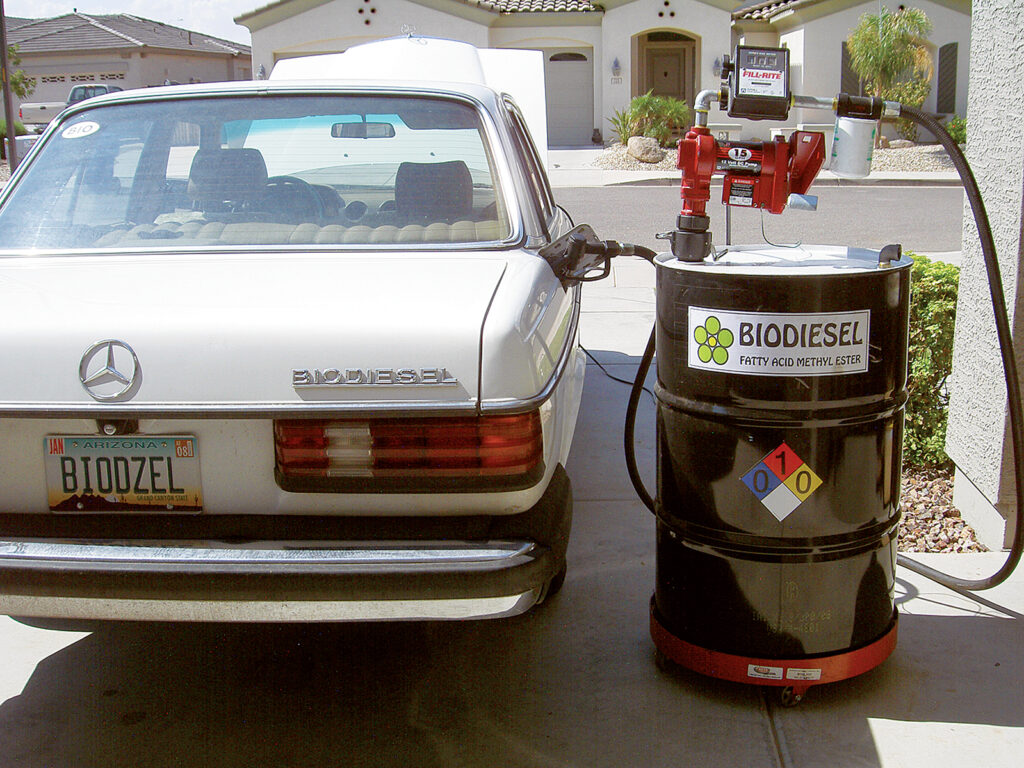
As the world grapples with the challenges of climate change, energy security, and sustainable development, the search for innovative solutions has become increasingly crucial. One such innovation is transforming vegetable oil from restaurants and households into biodiesel, a renewable and sustainable fuel source that offers numerous benefits, including reduced greenhouse gas emissions, lower dependence on fossil fuels, and enhanced energy security.
The Process of Converting Vegetable Oil into Biodiesel
After collecting used cooking oil through a recycling program, the oil undergoes its first stage of filtration: raffinization to remove impurities like water and food residue. The most cost-effective method involves heating the oil and applying an electric current to break down organic matter. This process, called electro-thermal treatment, makes it easier to filter out any remaining debris through mechanical means.
The entire refining process typically takes a few hours; for instance, it may take around 12 hours to refine a single barrel of oil. After this phase, the biodiesel is ready to be used in vehicles without further processing. The production of biodiesel from vegetable oil has several benefits, including:
- Renewable energy source: Vegetable oil is a renewable resource that can be replenished naturally, unlike fossil fuels.
- Reduced greenhouse gas emissions: Biodiesel produced from vegetable oil generates significantly fewer greenhouse gas emissions compared to traditional fossil fuels.
- Energy security: By utilizing domestic resources, countries can reduce their reliance on imported fossil fuels and enhance energy security.
Key Considerations and Modifications Required for Engine Compatibility
However, before using vegetable oil as fuel, modifications are necessary to ensure engine compatibility. With certain engines, oil viscosity increases when cooled, causing it to solidify within the fuel system. This can lead to clogged injectors and other mechanical issues.
To address this problem, a specialized tank is required for starting the vehicle, while the main tank is filled with conventional gasoline. Once started, the engine can switch to using vegetable oil for the entire journey. An alternative solution involves installing a heating element in the fuel system, which improves efficiency when used consistently.
Cost Comparison and Economic Viability
A Tennessee-based cooperative, Veggy, has been producing biodiesel from recycled cooking oil since the 1970s. By applying electro-thermal treatment to the oil, they achieve a relatively low production cost of around 25 cents per gallon (80 eurocentesimi per liter). This may seem like an attractive option for environmentally conscious consumers.
However, the overall economic viability of this method remains a crucial factor in its widespread adoption. The cost of production is influenced by factors such as equipment costs, oil supply chain logistics, and market demand. To make vegetable oil-based biodiesel more competitive with traditional fossil fuels, governments and private investors can provide incentives, subsidies, or low-interest loans to entrepreneurs and small-scale producers.
Conclusion
In conclusion, transforming vegetable oil into biodiesel presents both practical and environmental benefits. However, it requires special equipment modifications to ensure engine compatibility. The economic viability of this method remains a crucial factor in its widespread adoption. As concerns over climate change grow, interest in alternative fuels continues to rise; however, significant technical, economic, and regulatory hurdles need to be overcome before this option becomes a mainstream choice for transportation fuel.
Frequently Asked Questions (FAQs)
-
What is the process for converting used cooking oil into biodiesel?
The process involves collecting used cooking oil through recycling programs, filtering it with an electro-thermal treatment to remove impurities, and then refining the oil to produce biodiesel.
2. Is vegetable oil suitable for use as a fuel source in vehicles without modifications?No; due to viscosity changes when cooled, vegetable oil may solidify within the engine’s fuel system, leading to mechanical issues.
3. What is the cost of producing biodiesel from recycled cooking oil?The cost can vary, but a Tennessee-based cooperative reports production costs around 25 cents per gallon (80 eurocentesimi per liter).
4. How do I modify my vehicle engine for use with vegetable oil as fuel?A specialized tank is required for starting the vehicle, while the main tank is filled with conventional gasoline. Alternatively, installing a heating element in the fuel system can improve efficiency when used consistently.
5. What are the environmental benefits of using biodiesel produced from recycled cooking oil?The production process generates significantly fewer greenhouse gas emissions and other pollutants compared to traditional fossil fuels.
6. Is there a need for government incentives or regulations to encourage widespread adoption of vegetable oil-based biodiesel?Some argue that incentives, subsidies, or specific regulations could facilitate the transition towards cleaner energy sources, while others believe market forces alone can drive innovation and growth in this sector.
7. Can I produce my own biodiesel from recycled cooking oil at home?Yes; with some investment in equipment and a suitable setup, it is possible to convert used cooking oil into biodiesel for personal use or small-scale commercial applications.
8. How does the quality of biodiesel produced from vegetable oil compare to that produced from other feedstocks?The quality can vary depending on factors such as the type of oil used, production methods, and end-use applications; however, research suggests that vegetable oil-based biodiesel has a relatively high energy density and acceptable cetane number.
9. Are there concerns regarding the impact of using vegetable oil as fuel on food security or the agricultural sector?There are ongoing debates about how the increased demand for oilseed crops to feed animal feed into biodiesel production might affect global food supplies, though some argue that sustainable practices can minimize these negative effects.
10. What is the future outlook for the development and widespread adoption of vegetable oil-based biodiesel?As concerns over climate change grow, interest in alternative fuels continues to rise; however, significant technical, economic, and regulatory hurdles need to be overcome before this option becomes a mainstream choice for transportation fuel.
In conclusion, transforming vegetable oil into biodiesel presents both practical and environmental benefits. However, it requires special equipment modifications to ensure engine compatibility. The economic viability of this method remains a crucial factor in its widespread adoption. As concerns over climate change grow, interest in alternative fuels continues to rise; however, significant technical, economic, and regulatory hurdles need to be overcome before this option becomes a mainstream choice for transportation fuel.
By understanding the process of converting vegetable oil into biodiesel, its benefits and limitations, and the necessary modifications for engine compatibility, we can better appreciate the potential of this innovative solution in addressing our energy challenges.


