
Introduction
In the world of automotive innovation, Toyota has always been at the forefront of technological advancements. With the recent unveil of its hydrogen fuel cell electric vehicle, the Toyota FCV, we’re excited to explore what makes this car so special and why it’s worth paying attention to.
The automotive industry is undergoing a significant transformation, driven by increasing concerns about climate change, air pollution, and energy sustainability. As governments worldwide implement stricter emissions regulations, car manufacturers are racing to develop cleaner and more efficient vehicles. In response to these challenges, Toyota has been actively researching and developing innovative technologies, including the Toyota FCV.
A Look at the Toyota FCV
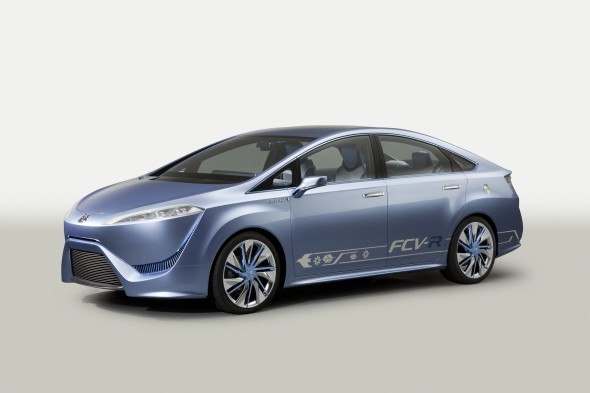
The Toyota FCV is a sleek and sporty four-door sedan that boasts an impressive range of over 500 kilometers on a single tank. Its unique design features aerodynamic lines inspired by classic catamarans, giving it a fluid and dynamic appearance. The car’s length measures 487 centimeters, while its height stands at just 154 cm.
The Toyota FCV is designed to be a practical and comfortable vehicle for daily use, with ample legroom for passengers and a spacious trunk. The interior features premium materials, including high-quality leather upholstery, aluminum accents, and advanced infotainment systems. The exterior design is equally impressive, with a bold front grille, angular headlights, and a sloping roofline that reduces wind resistance.
The Fuel Cell Powertrain
Under the hood lies a powerful fuel cell powertrain that utilizes hydrogen cells to generate electricity. This innovative technology offers an efficiency rate of over 60%, significantly higher than conventional fossil fuels, which achieve only 20-25% efficiency. The hydrogen is stored in two large tanks located beneath the floorpan.
The fuel cell system consists of three main components: a proton exchange membrane (PEM), a fuel cell stack, and a power conditioner. The PEM is responsible for separating protons from water molecules, generating electricity through an electrochemical reaction. The fuel cell stack is where the magic happens, converting hydrogen into electricity with minimal energy loss. The power conditioner regulates the output voltage and ensures stable operation of the vehicle’s electrical systems.
Design and Features
Inside, the Toyota FCV boasts a spacious cabin with ample legroom for passengers. The dashboard features a modern design with a prominent display screen and intuitive controls. Additional features include advanced safety systems, climate control, and premium audio equipment.
The Toyota FCV also comes equipped with a range of innovative technologies, including:
- Advanced driver assistance systems (ADAS), such as adaptive cruise control, lane departure warning, and automatic emergency braking
- A comprehensive suite of convenience features, including heated and ventilated seats, a panoramic sunroof, and a smart keyless entry system
- State-of-the-art infotainment systems with navigation, voice recognition, and wireless connectivity
Market Significance
While not the first fuel cell electric vehicle on the market, the Toyota FCV marks an important milestone in the development of hydrogen-powered vehicles. With established competitors like Honda’s Clarity FCX and upcoming collaborations between Renault, Ford, and Nissan, the FCV is poised to shake up the automotive industry.
The Toyota FCV also represents a significant step forward for Japan’s automotive sector, which has traditionally been known for its innovative and reliable vehicles. The company’s commitment to developing hydrogen fuel cell technology demonstrates its dedication to sustainability and reducing carbon emissions.
Production Timeline
According to Toyota officials, the production costs for the fuel cell system have decreased significantly, paving the way for large-scale manufacturing. The company aims to bring the Toyota FCV to market within the next few years, with a focus on expanding its hydrogen infrastructure network.
Toyota plans to establish a comprehensive network of hydrogen refueling stations across Japan, making it easier for customers to access and use the fuel. This strategic move is expected to play a crucial role in driving adoption rates and creating a sustainable ecosystem around the Toyota FCV.
Why Hydrogen Fuel Cells Matter
So why should the automotive industry prioritize hydrogen fuel cells? In simple terms, it’s all about efficiency and sustainability. With an estimated 20-25% efficiency compared to conventional fuels, hydrogen fuel cells offer a cleaner and more environmentally friendly alternative for transportation.
Hydrogen fuel cells also have several other advantages over traditional fossil fuels:
- Zero greenhouse gas emissions
- Lower particulate matter emissions
- Reduced nitrogen oxides emissions
These benefits make hydrogen fuel cells an attractive solution for reducing air pollution and mitigating the environmental impact of transportation.
The Science Behind Fuel Cells
At its core, the Toyota FCV’s fuel cell powertrain operates similarly to a battery: electricity is generated by combining hydrogen with oxygen. However, unlike batteries, fuel cells can provide continuous power without depleting the energy source.
This is achieved through an electrochemical reaction that occurs between the hydrogen and oxygen molecules, generating electrons and protons. The electrons then flow through an external circuit, powering the vehicle’s electrical systems.
Conclusion
As the automotive industry continues to evolve, innovative technologies like the Toyota FCV are pushing boundaries and redefining what’s possible. With its impressive efficiency rates, sleek design, and advanced features, this hydrogen fuel cell electric vehicle is poised to revolutionize the way we think about transportation.
The Toyota FCV represents a significant step forward for Japan’s automotive sector and marks an important milestone in the development of hydrogen-powered vehicles. Its potential to reduce carbon emissions, lower air pollution, and promote sustainable mobility makes it an exciting prospect for the future of transportation.
Frequently Asked Questions
Q: What is the range of the Toyota FCV?
A: The Toyota FCV boasts an estimated range of over 500 kilometers on a single tank.
Q: How does the Toyota FCV’s fuel cell powertrain work?
A: The fuel cell powertrain utilizes hydrogen cells to generate electricity, providing continuous power without depleting the energy source.
Q: Is the Toyota FCV the first fuel cell electric vehicle on the market?
A: No, the Honda Clarity FCX and upcoming collaborations between Renault, Ford, and Nissan are already available or planned for release.
Q: What is the estimated production timeline for the Toyota FCV?
A: According to Toyota officials, the car should be brought to market within the next few years, with a focus on expanding its hydrogen infrastructure network.
Q: Why should the automotive industry prioritize hydrogen fuel cells?
A: Hydrogen fuel cells offer significantly higher efficiency rates (over 60%) compared to conventional fossil fuels (20-25%), making them an environmentally friendly alternative for transportation.


