
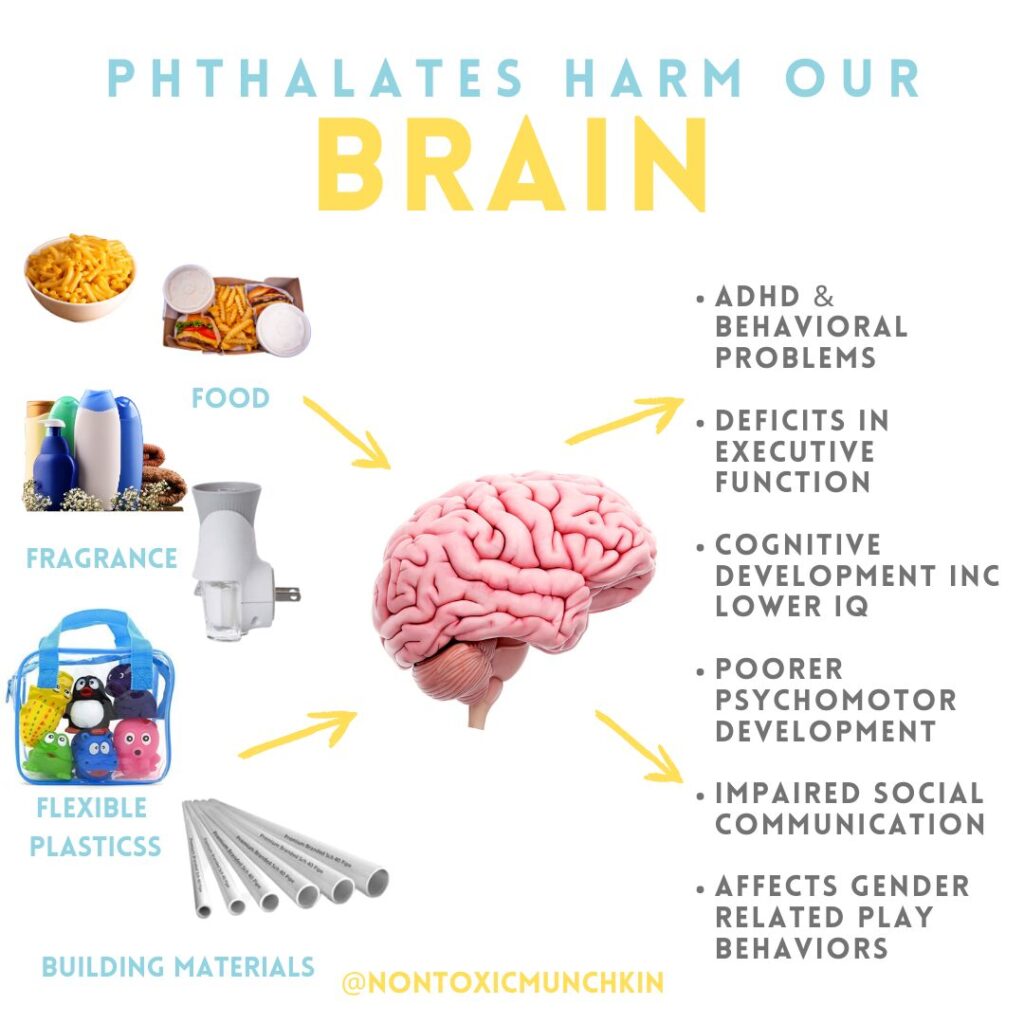
Phthalates are a group of toxic chemicals that have been widely used in various everyday products, making them ubiquitous in our lives. From food containers to clothing, personal care products, and household items, it’s easy to be exposed to these hazardous substances. But reducing exposure to phthalates is not as simple as you think.
What are Phthalates?
Phthalates are synthetic chemicals used to make plastics more flexible and durable. They can be found in a wide range of products, including:
- Bottles and containers
- Bags and packaging materials
- Utensils and kitchenware
- Personal care products (e.g., perfumes, cosmetics, shampoos)
- Textiles (e.g., clothing, upholstery)
- Medical devices and equipment
The Risks of Phthalates
Phthalates have been linked to various health problems, including:
- Reproductive issues: Exposure to phthalates has been associated with reduced fertility, birth defects, and hormonal imbalances.
- Cancer concerns: Some phthalates have been classified as carcinogens by the International Agency for Research on Cancer (IARC).
- Neurological problems: Phthalates may affect brain development and function in children.
Reducing Exposure to Phthalates
While it’s challenging to completely eliminate exposure to phthalates, there are steps you can take to minimize your contact with these hazardous substances:
- Choose natural alternatives: Opt for personal care products that are labeled as “phthalate-free” or choose natural products instead.
- Read labels carefully: Check the ingredient lists of household cleaning products, personal care items, and clothing to ensure they don’t contain phthalates.
- Avoid heating food in plastic containers: Heat can cause chemicals to leach from plastic containers into your food.
- Use glass or stainless steel containers instead of plastic
- Opt for natural fibers when shopping for clothing
- Select household cleaning products that are labeled as biodegradable
FAQs
- What is the safest way to store medications?
- How can I reduce my exposure to phthalates in my personal care routine?
- Can I use phthalate-free alternatives to traditional plastics?
- What are some common household products that may contain phthalates?
- Are all types of plastic considered safe for human consumption?
- Can phthalates affect children’s development and health?
By taking these simple steps, you can significantly reduce your exposure to phthalates and create a healthier environment for yourself and your loved ones.
Understanding the Impact of Phthalate-Free Products
In recent years, there has been an increase in demand for phthalate-free products. This shift is driven by consumer awareness about the potential health risks associated with these chemicals. As a result, many companies are now offering phthalate-free alternatives to traditional products.
Some common benefits of phthalate-free products include:
- Reduced risk of cancer: Phthalates have been classified as carcinogens by the IARC.
- Improved reproductive health: Exposure to phthalates has been associated with reduced fertility and birth defects.
- Lower risk of neurological problems: Phthalates may affect brain development and function in children.
What’s Being Done to Address the Issue
Governments, regulatory agencies, and industry leaders are working together to address the issue of phthalates. Some key initiatives include:
- Establishing phthalate-free standards: Regulatory agencies are setting standards for phthalate-free products.
- Promoting education and awareness: Governments and health organizations are launching campaigns to educate consumers about the risks associated with phthalates.
- Encouraging sustainable practices: Industry leaders are promoting sustainable practices, such as using renewable resources and reducing waste.
By working together, we can create a healthier environment for ourselves and our communities.


