
Introduction
The transportation sector currently holds the top spot in terms of greenhouse gas emissions. Reducing CO2 emissions from transportation is a primary goal of any green economy policy. In light of this necessity, the Sustainable Development Foundation has partnered with the Ministry of Environment to develop a report titled “Towards a Green Transportation Policy,” which outlines the guidelines for a green transportation strategy.
The Problem: Transportation’s Role in Emissions
As we all know, the transportation sector is a significant contributor to greenhouse gas emissions. In fact, it’s one of the main culprits when it comes to CO2 emissions. This raises concerns about the environmental impact of our transportation choices and the need for a more sustainable approach.
The Solution: A National Green Transportation Policy
The report aims to provide a comprehensive framework for developing a national green transportation policy in Italy. The goal is to create a roadmap that will guide policymakers, industry stakeholders, and citizens towards a more environmentally friendly transportation system.
The ASI Approach: Avoiding, Reducing, Improving, and Shifting
The research team drew inspiration from the ASI (Avoid/reduce, Improve and Shift) approach adopted by the European Environment Agency (EEA) and the United Nations Environment Programme (UNEP). This framework breaks down the solutions into three main categories:
- Riduzione della domanda di trasporto (Reducing transportation demand): Encouraging people to use public transport, walk, or cycle.
- Passaggio a modalità di trasporto meno inquinanti (Switching to cleaner modes of transportation): Promoting electric vehicles, hybrid cars, and alternative fuels.
- Miglioramento tecnologicamente mezzi di trasporto e combustibili (Improving transportation technology and fuels): Developing more efficient engines, reducing emissions from aviation and maritime transport.
The Scenario: A National Roadmap to 2020 and 2030
The report outlines a proposed national green transportation policy scenario with targets set for 2020 and 2030. This framework is based on the proposals presented at the Green Economy States General in November 2012, which were attended by Minister Corrado Clini and Minister Corrado Passera.
Key Findings and Recommendations
The research team identified several key findings and recommendations:
- Encourage the development of electric vehicles and alternative fuels.
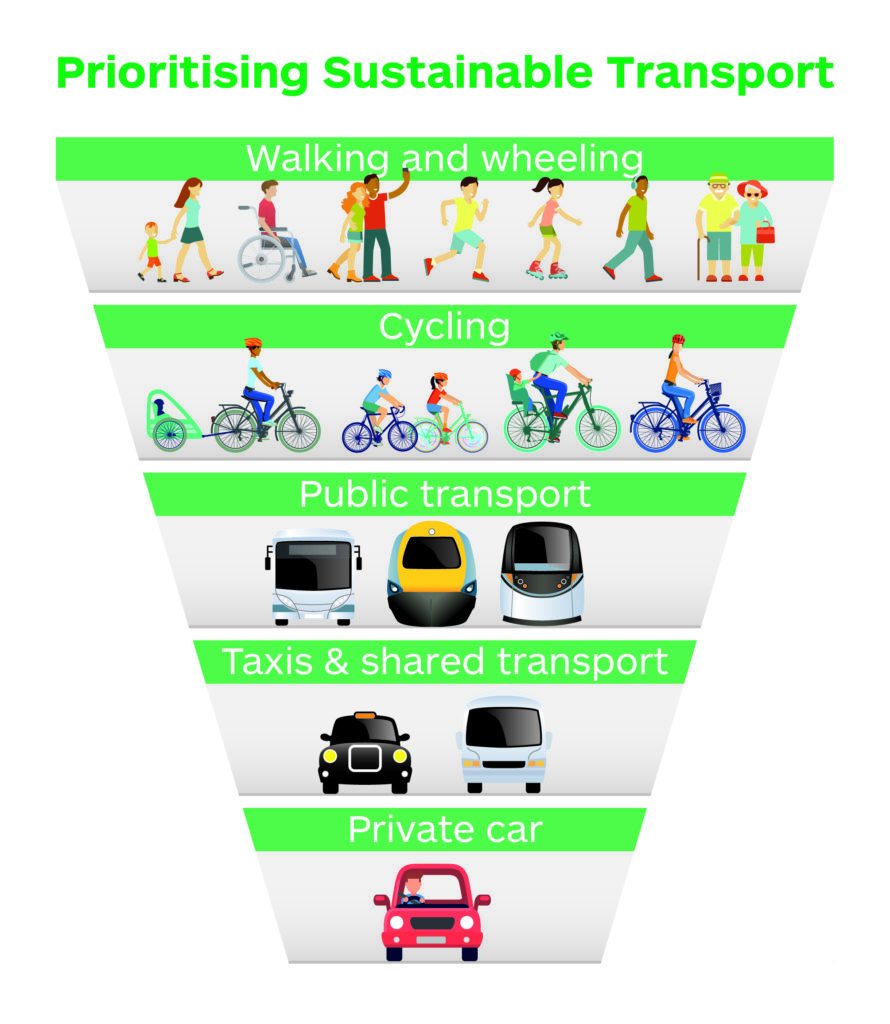
- Invest in public transportation infrastructure to reduce private car usage.
- Promote cycling and walking as viable alternatives for short-distance travel.
- Implement low-emission zones in urban areas to reduce air pollution.
Conclusion
A green transportation policy is crucial for reducing CO2 emissions and mitigating the environmental impact of our daily activities. The report provides a comprehensive roadmap for Italy’s national green transportation policy, outlining the key strategies, targets, and recommendations for policymakers and industry stakeholders.
Frequently Asked Questions (FAQs)
- What are the main objectives of the national green transportation policy?
- Reduce CO2 emissions from transportation to mitigate climate change.
- Promote a sustainable and environmentally friendly transportation system.
- How can individuals contribute to reducing transportation-related emissions?
- Use public transport, walk, or cycle for short-distance travel.
- Consider purchasing electric vehicles or alternative fuel cars.
- Encourage employers to adopt flexible work arrangements to reduce commuting times.
- What are the benefits of a green transportation policy?
- Improved air quality and reduced air pollution.
- Enhanced public health due to lower levels of particulate matter.
- Economic benefits from reduced fuel consumption and emissions-related costs.
- How can policymakers implement a green transportation policy?
- Invest in public transport infrastructure and promote cycling and walking.
- Offer incentives for electric vehicle adoption and alternative fuel use.
- Implement low-emission zones and congestion charging schemes to reduce private car usage.
- What are the challenges associated with implementing a national green transportation policy?
- Encouraging behavioral change among citizens.
- Ensuring the economic feasibility of green infrastructure investments.
- Managing conflicts between competing interests, such as industry demands for increased road capacity.
Key Stakeholders and Their Roles
- Citizens: The report emphasizes the importance of citizen engagement in promoting a sustainable transportation system. Citizens can contribute to reducing emissions by adopting environmentally friendly transportation modes, using public transport, walking, or cycling.
- Businesses and Industries: Companies can play a crucial role in implementing green technologies and promoting sustainable practices throughout their supply chains.
- Governments: Policymakers are responsible for creating an enabling environment for the adoption of green transportation technologies and policies.
Implementation Roadmap
The report outlines a proposed implementation roadmap with the following milestones:
- Conduct a comprehensive analysis of Italy’s current transportation sector, identifying areas of improvement and opportunities for green growth.
- Develop a detailed plan for implementing green transportation technologies, including electric vehicles, public transport infrastructure, and alternative fuels.
- Implement policies to reduce private car usage, such as congestion charging schemes and low-emission zones.
- Encourage behavioral change among citizens through education and awareness campaigns.
- Monitor progress and evaluate the effectiveness of the national green transportation policy.
Conclusion
The report provides a comprehensive roadmap for Italy’s national green transportation policy, outlining key strategies, targets, and recommendations for policymakers, industry stakeholders, and citizens. By working together, we can reduce CO2 emissions from transportation and mitigate the environmental impact of our daily activities.
Future Research Directions
- Conducting a detailed analysis of Italy’s current transportation sector to identify areas of improvement and opportunities for green growth.
- Developing a more comprehensive plan for implementing green transportation technologies and policies.
- Evaluating the effectiveness of existing policies and identifying areas for improvement.
- Encouraging citizen engagement and behavioral change through education and awareness campaigns.
Conclusion
A green transportation policy is crucial for reducing CO2 emissions and mitigating the environmental impact of our daily activities. The report provides a comprehensive roadmap for Italy’s national green transportation policy, outlining key strategies, targets, and recommendations for policymakers, industry stakeholders, and citizens. By working together, we can reduce CO2 emissions from transportation and mitigate the environmental impact of our daily activities.
Appendices
-
List of Acronyms:
- ASI (Avoid/reduce, Improve and Shift)
- EEA (European Environment Agency)
- UNEP (United Nations Environment Programme)
- CO2 (Carbon dioxide)
- PM2.5 (Particulate matter less than 2.5 micrometers in diameter)
-
Detailed Analysis of Italy’s Current Transportation Sector:
- Overview of the transportation sector in Italy
- Current trends and challenges in the transportation sector
- Opportunities for green growth in the transportation sector
-
Detailed Plan for Implementing Green Transportation Technologies:
- Overview of electric vehicles and alternative fuels
- Details on public transport infrastructure and its benefits
- Strategies for reducing private car usage and promoting cycling and walking


