
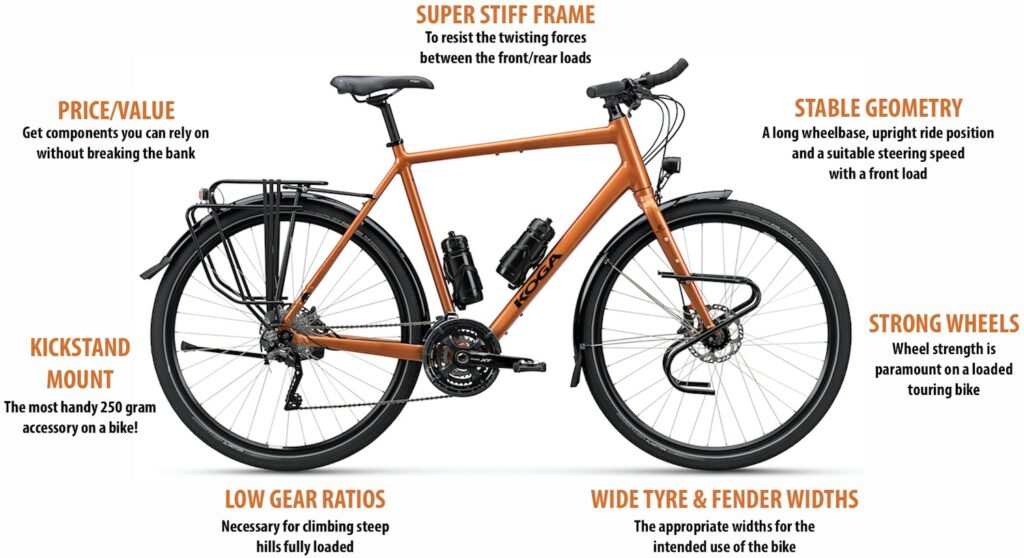
Are you looking to buy a touring bike, but overwhelmed by the numerous options available? With prices ranging from $200 to over $2,000, it can be difficult to determine which bike is right for you. In this article, we’ll explore the key factors to consider when choosing a touring bike and provide tips on how to make an informed decision.
Understanding Touring Bike Categories
Touring bikes are designed for long-distance cycling, but they come in different categories, each with its own unique characteristics. The most common types of touring bikes include:
- Racing touring bikes: Lightweight and agile, these bikes are ideal for speed enthusiasts.
- Endurance touring bikes: Designed for comfort and durability, these bikes are perfect for longer trips.
- Gravel or adventure touring bikes: Versatile and capable, these bikes can handle a variety of terrain.
Factors to Consider When Choosing a Touring Bike
Before making a purchase, consider the following factors:
- Tour routes and terrain: Will you be riding on paved roads, gravel paths, or mountainous terrain? Different types of bikes are suited for different conditions.
- Cargo capacity: How much gear do you need to carry? Consider the size and weight of your luggage and the bike’s ability to handle it.
- Handlebar type: Do you prefer a drop handlebar or a flat, upright bar?
- Wheel size and type: Smaller wheels (e.g., 650b) are more efficient on paved roads, while larger wheels (e.g., 700c) provide more comfort on rough terrain.
- Braking system: Disc brakes offer better stopping power in wet conditions, while rim brakes are lighter and more aerodynamic.
The Importance of Fit and Comfort
A well-fitting bike is essential for a comfortable ride. Consider the following:
- Seat height and width: Ensure the saddle is at the correct height to avoid discomfort and pressure on your backside.
- Handlebar height: Adjust the handlebars to fit your riding style and body position.
Modifying Your Current Bike
If you’re not ready to invest in a new bike, consider modifying your current one. Make sure to:
- Check compatibility: Ensure any modifications are compatible with your bike’s components and frame.
- Choose the right accessories: Select accessories that complement your riding style and terrain.
Types of Frames and Materials
Frames can be made from a variety of materials, each offering different characteristics and benefits. Some common types of frames include:
- Steel frames: Durable and versatile, steel frames are often used for touring bikes.
- Aluminum frames: Lightweight and corrosion-resistant, aluminum frames offer excellent performance.
- Carbon fiber frames: Ultra-lightweight and aerodynamic, carbon fiber frames provide exceptional ride quality.
Components and Accessories
In addition to the frame, there are many components and accessories that can enhance your touring bike. Some popular options include:
- Gearing: Choose a gearing system that suits your riding style and terrain.
- Brakes: Select brakes that offer excellent stopping power in wet conditions.
- Seating systems: Consider a saddle with a comfortable cutout and sufficient cushioning.
Wheel Options
Wheels are a critical component of any touring bike. Some popular wheel options include:
- Rim wheels: Lightweight and aerodynamic, rim wheels provide excellent performance.
- Hubless wheels: Ultra-lightweight and durable, hubless wheels offer exceptional ride quality.
Suspension Options
Suspension can greatly enhance the comfort and stability of your touring bike. Some popular suspension options include:
- Front forks: Adjustable front forks provide excellent handling and control.
- Rear shock absorbers: High-quality rear shock absorbers ensure a smooth ride.
Touring Bike Maintenance and Repair
To keep your touring bike in top condition, regular maintenance and repair are essential. Some tips include:
- Regular cleaning: Clean your bike regularly to prevent dirt and grime from building up.
- Tire pressure checks: Check tire pressure regularly to ensure optimal performance.
- Chain lubrication: Lubricate the chain regularly to prevent wear and tear.
Touring Bike Safety Considerations
Safety should always be a top priority when riding a touring bike. Some essential safety considerations include:
- Visibility: Ensure your bike is visible from all angles by wearing bright clothing and using lights.
- Road awareness: Always be aware of the road conditions, weather, and traffic patterns.
- First aid kit: Keep a basic first aid kit with you at all times.
Conclusion
Choosing the right touring bike can be overwhelming, but by considering your needs and preferences, you can find a bike that suits your style and riding goals. Remember to prioritize fit, comfort, and performance when selecting a touring bike, and don’t hesitate to modify or customize your current bike if needed.


