
Torenia is a fascinating genus of plants that have gained popularity among gardeners and plant enthusiasts due to their unique characteristics and low-maintenance requirements. In this article, we will delve into the world of Torenia, exploring its cultivation, multiplication, and care.
What are Torenia Plants?
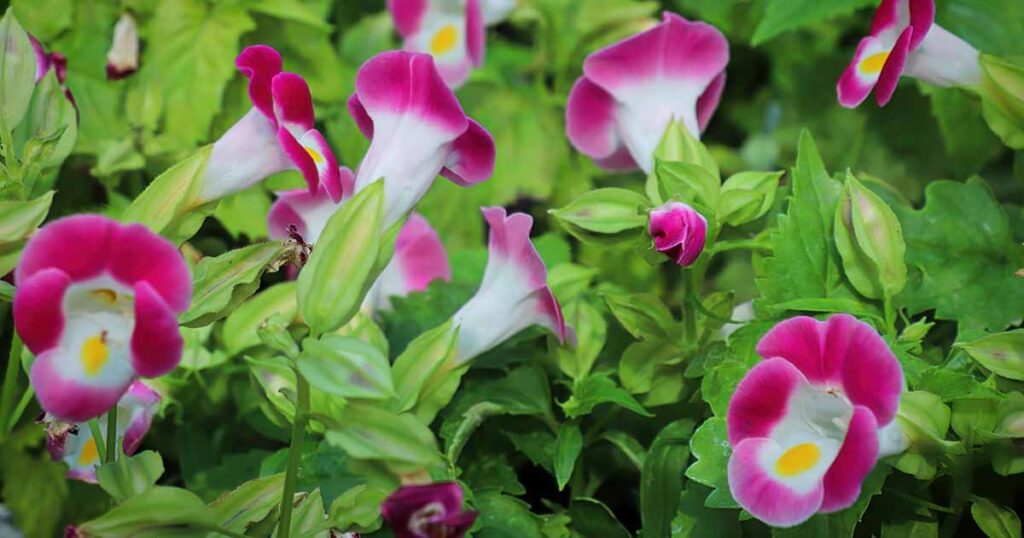
Torenia plants are annuals or perennials that belong to the Scrofulariaceae family. They typically grow up to 30 centimeters in height and have a bushy or upright growth habit. The leaves are lance-shaped and have a light green color, while the flowers are trumpet-shaped with a lobed upper lip and a trilobed lower lip.
Historical Background
The genus Torenia was discovered by Olaf Toren, a Swedish ecclesiastical and naturalist, in the 18th century. The name “Torenia” is derived from his surname.
Cultivation of Torenia Plants
Despite being delicate plants, Torenia can be easily cultivated with minimal effort. They require partial shade to full sun, depending on the desired location. Torenia plants are ideal for creating hedges or borders due to their tendency to form a dense mat. However, they should not be placed in areas with standing water, as this can lead to root rot.
To maintain the health of Torenia plants, regular watering is necessary during spring and summer months, while minimal watering is required during autumn and winter. It’s essential to check the soil moisture regularly to avoid overwatering or underwatering. Since Torenia plants are annuals, they do not require pruning or renewal.
Choosing the Right Variety
There is only one variety of Torenia that is commonly used for ornamental purposes: T. Fournieri. This plant is native to the tropical regions of Asia and produces white flowers with yellow throats and purple blushes. The leaves are greenish-yellow in color, with a rounded shape resembling a heart.
T. Fournieri Varieties
Several varieties of T. Fournieri have been cultivated, including ‘Grandiflora’ and ‘Alba’. ‘Grandiflora’ is notable for its large flowers, while ‘Alba’ has white flowers with purple spots.
Multiplication of Torenia Plants
Torenia plants can be multiplied through seed propagation. The best time to start a semenaio (seed starting) is in February, using a soil mixture of sand and fertile loam. A clear plastic sheet is used to maintain humidity, while ensuring the soil does not dry out.
To promote germination, nebulization is recommended, and the plastic sheet should be removed daily to check on the progress of the seeds. Once the seeds have germinated, they can be transferred to a location with more light, but with caution to avoid direct sunlight.
When transplanting the seedlings, it’s essential to select the strongest ones and remove the weaker seedlings. The seedlings should be transplanted into pots of at least 12 centimeters in diameter once they have reached a sufficient size.
Propagation through Division
Another method of multiplying Torenia plants is through division. This method involves dividing the roots of the plant to create new individual plants. The best time for division is during autumn, when the plant has completed its growth cycle.
To perform a successful division, follow these steps:
- Water the plant thoroughly before dividing it.
- Dig up the entire plant, making sure not to damage any of the roots.
- Separate the roots into smaller sections, depending on how many new plants you want to create.
- Replant each section in a separate pot filled with fresh soil.
- Water the pots regularly and provide adequate light for the new plants to grow.
Care of Torenia Plants
To ensure that your Torenia plant thrives, follow these care tips:
- Provide sufficient light: Torenia plants require at least 4-6 hours of direct sunlight per day.
- Maintain optimal temperature: The ideal temperature for Torenia plants is between 15°C and 25°C (59°F to 77°F).
- Water regularly: Check the soil moisture daily, but avoid overwatering, which can lead to root rot.
- Fertilize sparingly: Feed your Torenia plant with a balanced fertilizer once a month during spring and summer months.
- Prune infrequently: Remove any dead or damaged leaves or stems to maintain the overall health of the plant.
Pests and Diseases
Regular monitoring is necessary to detect pests and diseases early on, which can harm your Torenia plants. Some common pests include:
- Aphids
- Whiteflies
- Spider mites
To control these pests, use neem oil or insecticidal soap. For fungal diseases like powdery mildew, treat the plant with a fungicide.
Conclusion
Torenia plants are unique and attractive additions to any garden or indoor space. With proper care, they can thrive and provide beautiful blooms. By following these guidelines, you can successfully cultivate, multiply, and enjoy Torenia plants.
Frequently Asked Questions (FAQs)
Q: What is the ideal temperature for germinating Torenia seeds?
A: The optimal temperature for germination is 18°C.
Q: How often should I water my Torenia plant?
A: Regular watering is necessary during spring and summer months, while minimal watering is required during autumn and winter.
Q: Can I grow Torenia plants in full sun?
A: Yes, but they may require more frequent watering to prevent scorching.
Q: How do I propagate Torenia plants through seed?
A: Start a semenaio in February using a soil mixture of sand and fertile loam. Use a clear plastic sheet to maintain humidity and promote germination.
Q: Can I grow Torenia plants indoors?
A: Yes, but they require sufficient light and air circulation to thrive.
Q: Are Torenia plants suitable for containers or vases?
A: Yes, they make excellent additions to indoor spaces, especially in hanging baskets or vases.
Q: How often should I fertilize my Torenia plant?
A: Use a fertilizer with high potassium content to promote blooming. Dilute the fertilizer in water and apply it once a week during spring and summer months.
Q: Can I divide my Torenia plant to propagate new plants?
A: Yes, but it’s essential to wait until the plant has completed its growth cycle before dividing it.
Q: Are there any pests or diseases that affect Torenia plants?
A: Regular monitoring is necessary to detect pests and diseases early on.


