
Understanding Feline Caries: Causes, Symptoms, and Treatment
As a responsible cat owner, it’s essential to be aware of the common dental issue that affects felines worldwide – caries. Unlike humans, cats are not prone to developing caries as frequently, but they can still suffer from this painful condition if left untreated.
The Origins and Evolution of Feline Caries
The earliest recorded cases of caries in cats date back to the 1970s. Since then, veterinarians have studied the disease and discovered that felines are more susceptible to caries if they consume dry food, have a diet rich in carbohydrates, or neglect regular dental care.
Regardless of age, breed, or size, any cat can develop caries, making it crucial for owners to be vigilant and take preventive measures. The symptoms of caries in cats may vary but typically include tooth discoloration, tooth loss, bad breath (halitosis), difficulty eating, gum bleeding, and pain.
The Science Behind Feline Caries
Caries in cats is caused by a combination of factors including:
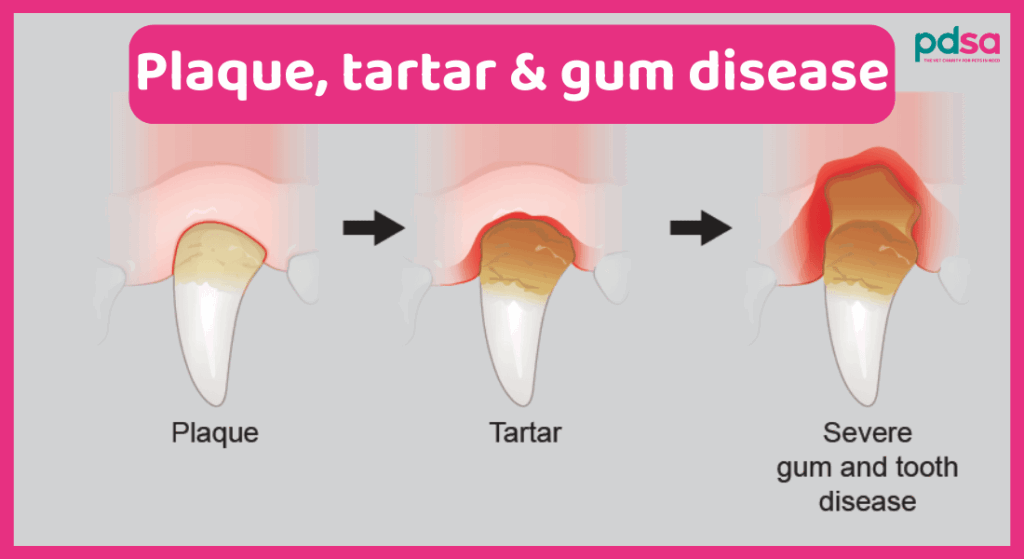
- Bacterial accumulation: The mouth contains various bacteria that feed on carbohydrates found in food, leading to the formation of plaque and tartar.
- Lack of saliva production: Cats with reduced salivary gland function can’t effectively remove bacteria from their teeth, increasing the risk of caries.
- Genetic predisposition: Some breeds are more prone to dental issues due to genetic factors.
Prevention is Key: Tips for a Healthy Smile
While caries can be painful and debilitating, there are many ways to prevent this condition from developing in the first place. Here are some valuable tips:
- Feed a balanced diet: Provide your cat with nutrient-rich, dry food that helps remove plaque and tartar from their teeth.
- Use dental products specifically designed for cats: Toys like chew sticks or treats can help reduce tartar buildup and promote good oral health.
- Regular veterinary check-ups are crucial: Schedule annual dental cleanings to detect any potential issues early on.
- Provide a balanced and nutrient-rich diet: Feed your cat a high-quality, nutrient-rich food that promotes good overall health.
- Encourage water intake: Encourage your cat to drink plenty of water to help maintain oral hygiene.
The Importance of Regular Dental Care
Dental care is essential for maintaining your cat’s overall health. Neglecting regular dental check-ups can lead to more severe problems, such as tooth loss and gum disease. To prevent these issues, it’s recommended to visit a veterinarian at least once a year for a thorough examination and cleaning.
The Impact on Your Cat’s Health
Caries in cats can have far-reaching consequences on your pet’s overall health. Not only can it cause physical pain, but it may also lead to behavioral changes. These changes could include irritability, aggression, and avoidance of food or toys due to discomfort caused by the caries.
Additionally, caries in cats can lead to more serious complications such as:
- Systemic infections: Bacteria from infected teeth can spread to other parts of the body, leading to infections.
- Kidney disease: Research suggests that there may be a link between dental caries and kidney disease in cats.
- Malnutrition: Cats with severe dental issues may experience malnutrition due to difficulty eating or swallowing food.
In conclusion, preventing caries in cats is a top priority for their health and well-being. Regular veterinary check-ups, balanced diets, and dental care are all essential components in maintaining your cat’s oral health.
Recognizing the Signs of Feline Caries
Early recognition of signs of feline caries can help prevent more severe problems from developing. Here are some common signs to look out for:
- Bad breath: If your cat has bad breath, it could be a sign of caries or gum disease.
- Tooth discoloration: Discolored teeth could indicate that your cat is experiencing dental issues.
- Redness and swelling: Redness and swelling of the gums may be a sign that your cat needs regular dental care.
- Difficulty eating: If your cat has difficulty eating or swallowing food, it could be due to dental caries.
The Role of Dental X-Rays in Diagnosing Feline Caries
Dental x-rays play an essential role in diagnosing feline caries. These images can help veterinarians detect hidden problems such as:
- Tooth decay: Dental x-rays can show the extent of tooth decay and identify areas where caries may have developed.
- Tartar buildup: The x-ray images can reveal tartar buildup on teeth, which can lead to further complications if left untreated.
The Cost of Treating Feline Caries
Treating feline caries can be expensive, especially if the condition is left untreated for an extended period. Here are some costs associated with treating dental issues in cats:
- Dental cleanings: A single dental cleaning can cost anywhere from $50 to $200.
- Extractions: If a tooth is severely damaged or infected, extractions may be necessary, which can add up to several hundred dollars.
- Medications: Antibiotics and pain medications can also incur additional costs.
In conclusion, treating feline caries requires patience, persistence, and a commitment to your cat’s oral health. Regular dental cleanings, balanced diets, and veterinary care are all essential components in maintaining your cat’s overall well-being.
The Role of Owner Education in Preventing Feline Caries
Education is key when it comes to preventing feline caries. As a responsible cat owner, you play an essential role in promoting good oral health for your pet. Here are some ways to educate yourself and others:
- Research: Stay up-to-date on the latest research about feline caries by reading veterinary journals or attending seminars.
- Consult with veterinarians: Regular check-ups with your veterinarian can help you stay informed about your cat’s oral health and identify potential issues early on.
- Share knowledge with others: Educate friends, family members, and fellow pet owners about the importance of dental care for cats.
In conclusion, preventing caries in cats is a top priority for their health and well-being. Regular veterinary check-ups, balanced diets, and dental care are all essential components in maintaining your cat’s oral health. By educating yourself and others on the signs and symptoms of feline caries, we can work together to promote good oral health for our beloved pets.


