
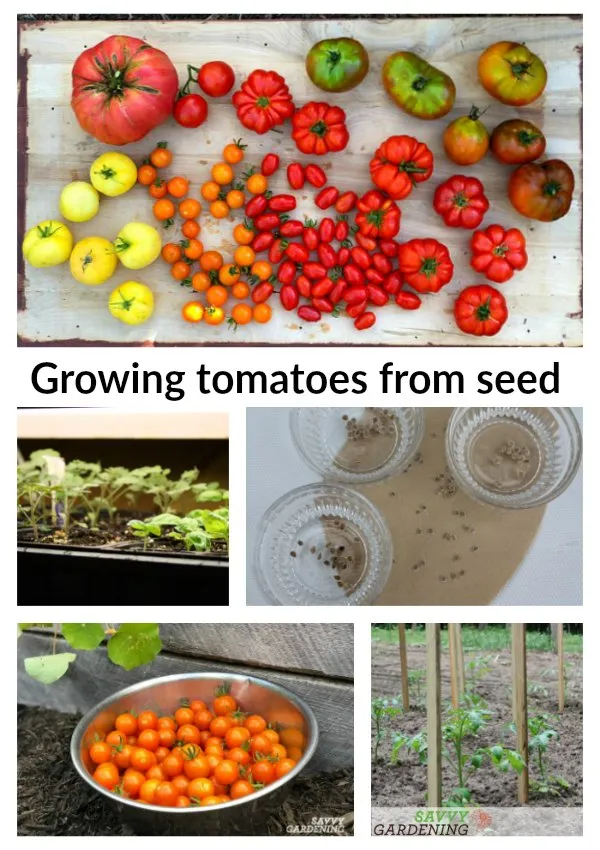
Are you tired of buying expensive tomato seeds every season? Do you want to save money and have a constant supply of fresh tomatoes? Look no further! Sowing your own tomato seeds at home is a simple and cost-effective way to produce healthy plants that will give you a bountiful harvest.
The Importance of Choosing the Right Plant
To get the best results, you need to choose a plant with high-quality fruit. The seeds from this plant will be the ones that determine the quality of your tomatoes. So, it’s essential to select a beautiful, vigorous, and well-developed plant. This will ensure that the seeds are healthy and have a good chance of germinating.
When selecting a plant for seed production, consider the following factors:
- Look for plants with vibrant colors and firm fruit.
- Avoid plants that are diseased or showing signs of pests.
- Choose varieties that are known for their high seed quality and germination rates.
Selecting Mature Tomatoes
To get the best seeds, you need to wait until the tomatoes are fully mature. This means they should be firm, sweet, and have no signs of spoilage. Only then can you carefully remove the fruit from the plant and start the process of drying it out.
Some tips for selecting mature tomatoes:
- Check for even ripening: Tomatoes that are evenly ripe will be more likely to produce high-quality seeds.
- Avoid tomatoes with soft spots or bruises, as they may not produce healthy seeds.
- Choose varieties that are known for their long shelf life and low spoilage rate.
Drying Out the Tomatoes
After removing the tomato from the plant, leave it out in the sun for a few days to dry it out slightly. This step is crucial as it helps to prevent mold and bacterial growth. Once the tomato has dried out enough, you can remove the seeds and start the process of cleaning and drying them further.
Some tips for drying out tomatoes:
- Use a warm location with direct sunlight: A warm location with direct sunlight will help to speed up the drying process.
- Monitor the tomato’s moisture level: Check on the tomato regularly to ensure it’s not too wet or dry.
- Avoid over-drying: Over-drying can cause the seeds to become brittle and difficult to handle.
Cleaning and Drying the Seeds
To clean the seeds, use a fine-mesh strainer or a coffee filter to separate the seeds from the pulp. Discard any small or damaged seeds, as they will not germinate well. Place the cleaned seeds in a container with a small amount of water and cover them with a cloth to maintain humidity.
Some tips for cleaning and drying seeds:
- Use distilled water: Distilled water is free of minerals that can inhibit seed growth.
- Avoid using tap water: Tap water may contain minerals or other substances that can affect seed germination.
- Keep the seeds moist but not wet: Seeds need to be kept moist during this stage, but should not be submerged in water.
Allowing the Seeds to Germinate
Let the seeds sit in the moist environment for 2-3 days before allowing them to dry out completely. This step is essential as it helps to increase the germination rate. Once the seeds have dried out, you can store them in an airtight container for later use.
Some tips for germinating seeds:
- Keep the seeds at room temperature: Seeds typically require warmer temperatures to germinate.
- Provide adequate light and humidity: Seeds need light and moisture to germinate properly.
- Monitor seed germination: Check on the seeds regularly to ensure they’re germinating correctly.
Preparing the Seeds for Storage
To keep the seeds fresh and healthy, store them in an airtight container with a piece of cloth or paper towel to maintain humidity. Avoid using plastic bags as they will prevent the seeds from breathing.
Some tips for storing seeds:
- Use a breathable container: A container that allows air to circulate will help to preserve seed quality.
- Keep the container cool and dry: High temperatures and moisture can cause seeds to deteriorate over time.
- Store seeds in a dark location: Light can damage seed viability, so it’s best to store them in a dark location.
Tips and Variations
You can also use this method to produce seeds from other fruits like cucumbers, squash, and zucchini. Simply follow the same steps as for tomatoes, but make sure to choose a mature fruit that is free of damage or disease.
Some benefits of saving your own tomato seeds include:
- Preserving genetic diversity: By saving your own tomato seeds, you’ll be able to preserve genetic diversity and ensure that future generations have access to healthy and flavorful varieties.
- Reducing waste: Saving your own tomato seeds reduces the amount of waste generated by purchasing seed packets.
- Saving money on seed purchases: By producing your own seeds, you can save money on seed purchases and reduce your carbon footprint.
Conclusion
Sowing tomato seeds at home is a simple and rewarding process that can provide you with a lifetime supply of fresh tomatoes. By following these steps and tips, you’ll be able to enjoy delicious homegrown produce while saving money and reducing waste.
Frequently Asked Questions (FAQs)
Q: What type of plant should I use for sowing seeds?
A: Choose a plant with high-quality fruit that is free of damage or disease.
Q: How long does it take for the seeds to germinate?
A: The germination time varies depending on factors like temperature, moisture, and light. On average, it takes 2-3 days for tomato seeds to germinate.
Q: Can I use plastic bags to store the seeds?
A: No, avoid using plastic bags as they will prevent the seeds from breathing.
Q: How can I preserve genetic diversity by saving my own tomato seeds?
A: By preserving your own tomato seeds, you’ll be able to ensure that future generations have access to healthy and flavorful varieties.
Q: Can I use this method for other fruits like cucumbers or squash?
A: Yes, you can use the same method to produce seeds from other fruits by following the same steps as for tomatoes.
Q: What are the benefits of saving seeds?
A: Saving your own tomato seeds allows you to preserve genetic diversity, reduce waste, and save money on seed purchases.


