
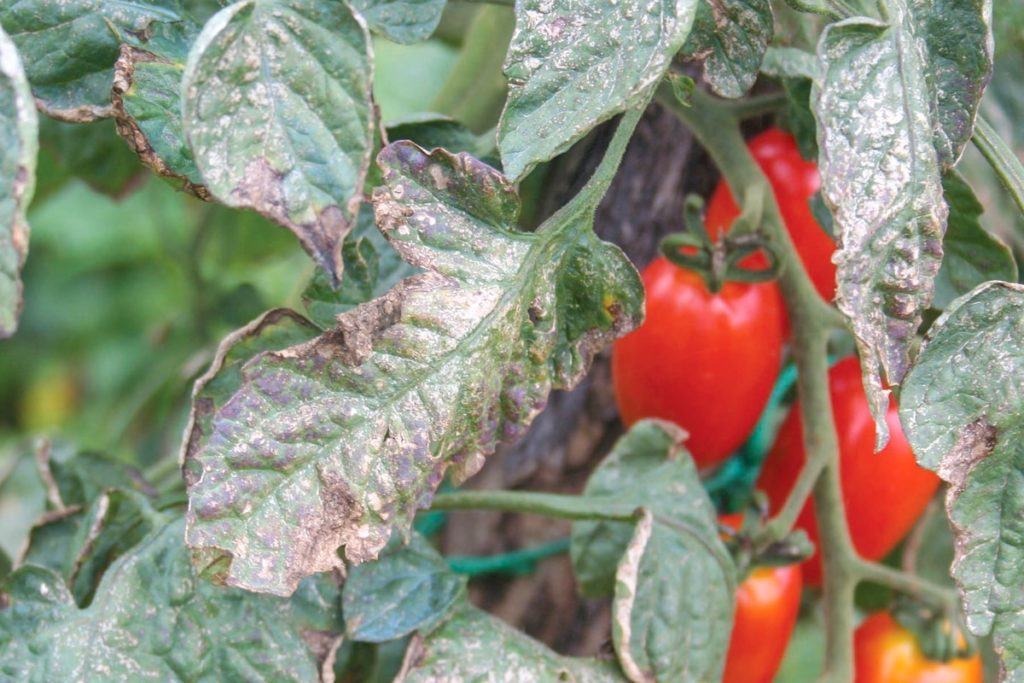
As a gardener, there’s nothing more frustrating than finding out that your tomato plants are infested with a fungal disease. The peronospora of tomatoes is one such problem that affects not only tomatoes but also other solanaceous plants like potatoes and eggplants. This article will explore the causes, symptoms, treatments, and natural remedies for this common issue.
What is Peronospora of Tomatoes?
Peronospora of tomatoes is a fungal disease caused by a pathogen called Phytophthora infestans. It thrives in high humidity conditions, making it more likely to develop in areas with excessive rainfall or irrigation. Temperatures above 15°C (59°F) also contribute to the growth and spread of this fungus.
Symptoms of Peronospora of Tomatoes
Identifying the symptoms of peronospora of tomatoes can help you determine if your plants are infected. The signs include:
- Brown spots on leaves, which may be accompanied by shiny, liquid patches
- Discoloration on stems and peduncles (the small stalks that connect leaves to the plant)
- Yellowing or wilting of leaves
In addition to these symptoms, peronospora of tomatoes can also cause:
- Reduced fruit production
- Poor leaf growth
- Increased susceptibility to other diseases
How to Prevent Peronospora of Tomatoes
While it’s challenging to completely eliminate peronospora of tomatoes, you can take steps to prevent its spread:
- Irrigate plants judiciously to avoid overwatering. Overwatering creates an ideal environment for fungal growth.
- Use resistant tomato cultivars, which are bred to be more resilient to fungal diseases.
- Ensure good air circulation around plants. This helps to reduce moisture and promote healthy plant growth.
- Maintain a balanced soil pH and provide adequate nutrients. Fungus thrives in nutrient-poor environments.
- Remove infected plants to prevent the spread of disease.
Natural Remedies for Peronospora of Tomatoes
While chemical treatments are often effective against peronospora of tomatoes, natural remedies can also help control the spread:
- Neem oil: Neem oil has fungicidal properties that can be applied to plants to prevent infection. Mix neem oil with water and spray it on your tomato plants regularly.
- Copper-based products: Copper-based products can help suppress fungal growth and prevent the spread of disease. Apply copper-based products as directed on the label.
- Baking soda: Baking soda can be used as a natural fungicide to control peronospora of tomatoes. Mix baking soda with water and spray it on your tomato plants regularly.
Organic Treatment Options
When it comes to organic treatment options, there are several choices available:
- Fungicides: Organic fungicides like copper-based products or neem oil can help control the spread of disease.
- Biological controls: Biological controls like Trichoderma harzianum can be used to suppress fungal growth and prevent infection.
- Companion planting: Companion planting involves growing different plants together that have natural pest-repelling properties. For example, basil repels nematodes, which can help reduce the risk of peronospora of tomatoes.
Integrated Pest Management (IPM)
Integrate multiple methods to control peronospora of tomatoes:
- Monitoring: Regularly monitor your tomato plants for signs of infection.
- Cultural controls: Implement cultural controls like maintaining good air circulation, providing adequate nutrients, and removing infected plants.
- Chemical controls: Use chemical treatments as a last resort when other methods fail.
Frequently Asked Questions (FAQs)
- Q: Can peronospora of tomatoes be prevented?
A: Yes, prevention is key to controlling the spread of this disease. Selecting resistant cultivars, providing adequate air circulation, and maintaining balanced soil conditions can help reduce the risk. - Q: How long does it take for peronospora of tomatoes to appear?
A: The appearance time of peronospora of tomatoes depends on various factors, including temperature, humidity, and exposure to fungal spores. - Q: What are some natural remedies for peronospora of tomatoes?
A: Neem oil, copper-based products, and baking soda are some natural remedies that can help control the spread of disease. - Q: Can biological controls be used to prevent peronospora of tomatoes?
A: Yes, Trichoderma harzianum is a popular biological control agent that can help suppress fungal growth and prevent infection. - Q: Are there any organic fungicides available for peronospora of tomatoes?
A: Yes, copper-based products and neem oil are two common organic fungicides used to control the spread of disease. - Q: Can peronospora of tomatoes be transmitted from plant to plant?
A: Yes, fungal spores can be transmitted from plant to plant through contaminated water or soil. - Q: How do I identify peronospora of tomatoes in my garden?
A: Look for brown spots on leaves, shiny liquid patches, and yellowing or wilting of leaves as signs of peronospora of tomatoes. - Q: Can peronospora of tomatoes be treated with organic methods?
A: Yes, natural remedies like neem oil, copper-based products, and baking soda can help control the spread of disease.
Conclusion
Peronospora of tomatoes is a common issue that can affect tomato plants and other solanaceous crops. By understanding the causes, symptoms, treatments, and natural remedies for this common problem, you can take effective steps to prevent its spread and protect your tomato plants. Remember to integrate multiple methods, including monitoring, cultural controls, chemical controls, and biological controls, to achieve optimal results.
Additional Tips
- Keep a record: Keep a record of the weather conditions, plant growth, and disease symptoms to help you identify patterns and make informed decisions.
- Rotate crops: Rotate your tomato crop with other solanaceous plants like peppers or eggplants to break the disease cycle.
- Use resistant varieties: Choose resistant tomato cultivars to reduce the risk of peronospora of tomatoes.
- Provide adequate nutrients: Ensure that your soil provides adequate nutrients for healthy plant growth.
By following these tips and incorporating natural remedies into your gardening routine, you can protect your tomato plants from peronospora of tomatoes and enjoy a bountiful harvest.


