
As a staple in many Asian cuisines, tofu has gained popularity worldwide for its versatility and nutritional benefits. But is it truly a superfood, or does it hide some secrets? In this article, we’ll delve into the world of tofu, exploring its properties, nutritional value, potential risks, and ways to incorporate it into your diet.
What is Tofu and How is it Made?
Tofu, also known as soy milk, is made from soya beans that have been ground into a paste. The resulting liquid is then coagulated with salt or other agents, creating a soft, gelatinous block of protein-rich goodness. This process has been refined over time, with modern manufacturers using various techniques to enhance the texture and flavor of tofu.
Protein Content and Cholesterol
As a plant-based food, tofu is an excellent source of protein, containing approximately 10.7% protein by weight for standard tofu and 5.3% for soft tofu. The high protein content makes it an attractive option for those looking to increase their protein intake without meat. Additionally, studies have shown that tofu can help lower LDL (bad) cholesterol levels and triglycerides.
Taste and Texture
One of the biggest challenges when consuming tofu is its bland taste. This is largely due to the processing methods used during production, which can result in a neutral flavor profile. However, it’s possible to enhance the taste by using alternative coagulation methods or adding seasonings. For example, fermenting soybeans at lower temperatures can help preserve the natural sweetness of the beans, resulting in a more flavorful tofu.
Properties and Nutritional Value
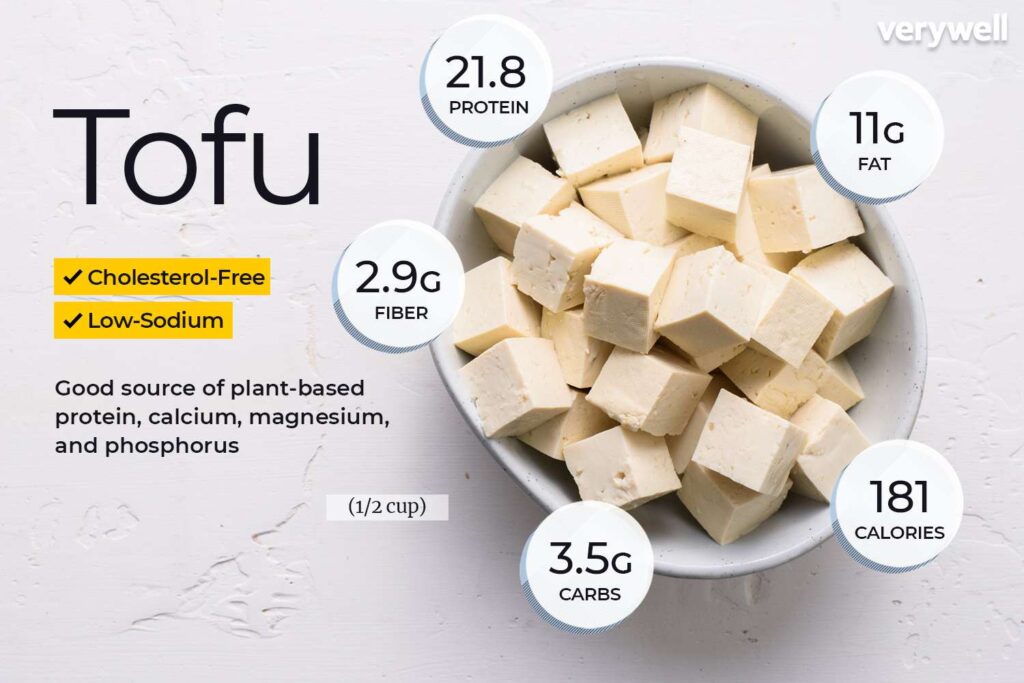
Tofu is often touted as a superfood due to its impressive nutritional profile. It’s low in calories (approximately 76-100 kcal per 100 grams), rich in protein, and contains various essential micronutrients like potassium, calcium, vitamin A, iron, and magnesium. However, it’s essential to note that not all tofu is created equal – the type of coagulant used, as well as the processing methods employed, can significantly impact its nutritional content.
Does Tofu Make You Gain Weight?
Contrary to popular belief, tofu does not make you gain weight. While it may be high in protein, which can help build muscle mass, it’s also relatively low in calories compared to other protein sources. In fact, a 100-gram serving of tofu contains only 76-100 kcal.
Potential Risks and Contraindications
While tofu is generally considered safe for most people, there are some potential risks and contraindications to be aware of. For example:
- Individuals with hypertension should limit their soy consumption due to the high sodium content in many commercial products.
- Those with legume allergies or intolerances may need to avoid tofu altogether.
Where to Buy Tofu
Tofu is widely available in most supermarkets, health food stores, and online retailers. When shopping for tofu, look for products that are labeled as “naturally fermented” or “unsalted,” which tend to be higher in nutritional value.
How to Make Tofu
While it’s possible to purchase tofu pre-made, making it from scratch can be a fun and rewarding experience. With just two ingredients – soybeans and water – you can create a delicious and nutritious protein-rich food that suits your dietary needs.
In conclusion, tofu is a versatile and nutritious food that offers numerous health benefits when consumed in moderation. By understanding its properties, nutritional value, potential risks, and ways to incorporate it into your diet, you can unlock the full potential of this amazing ingredient.
Frequently Asked Questions
- Is Tofu Good for Weight Loss?
- Yes, tofu can be an excellent addition to a weight loss diet due to its high protein content and low calorie count.
- Can I Eat Too Much Tofu?
- While tofu is nutritious, consuming excessive amounts may lead to an imbalance of certain nutrients, such as sodium.
- Is Tofu Safe for Everyone?
- Generally, yes. However, individuals with legume allergies or hypertension should consult their healthcare provider before incorporating tofu into their diet.
Tips for Incorporating Tofu into Your Diet
- Experiment with different cooking methods and seasonings to enhance the flavor of tofu.
- Mix tofu with other protein sources like vegetables, nuts, or seeds for a balanced meal.
- Use tofu as a substitute in traditional recipes or create new dishes using this versatile ingredient.
By embracing the world of tofu and exploring its potential benefits and risks, you can make informed choices about this versatile and nutritious food source.


