
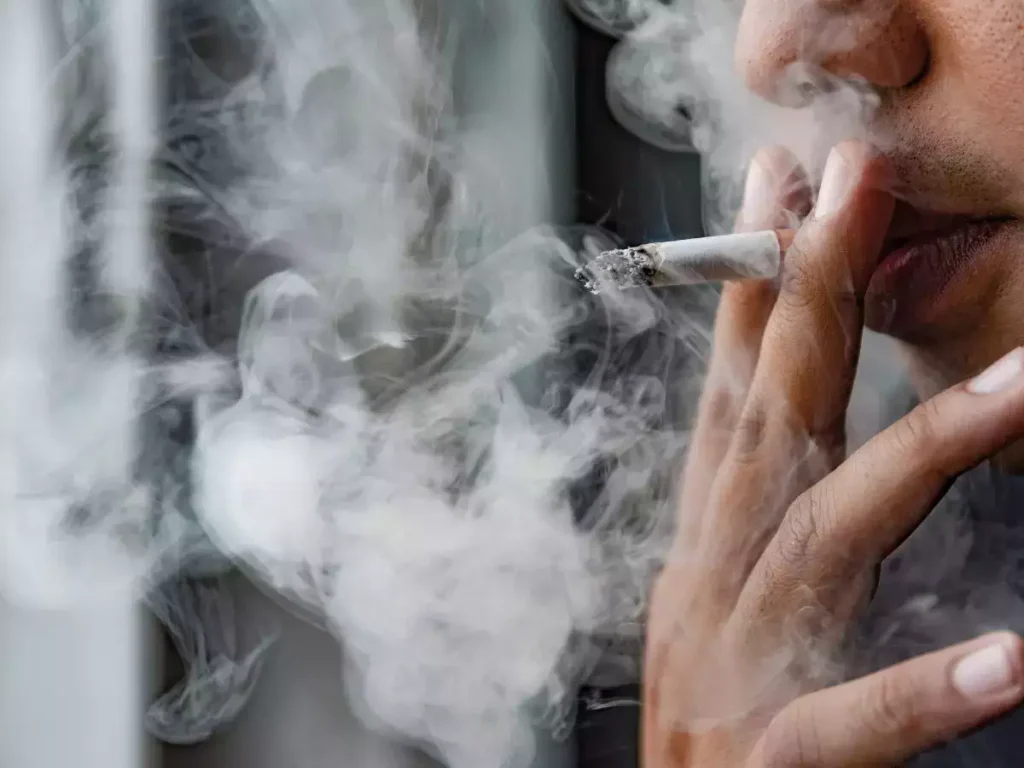
As we celebrate World No Tobacco Day on May 31st, it’s essential to acknowledge the lesser-known risks associated with tobacco smoke in indoor environments. While the effects of smoking on health are well-documented, understanding the impact on non-smokers and the environment is crucial for a healthier future.
The Rise of Indoor Air Pollution
Despite a decline in recent years, Italy has seen an increase in the number of smokers, according to the Italian National Institute of Health’s latest report. This trend highlights the need to address indoor air pollution caused by tobacco smoke, which can affect not only smokers but also those around them.
The Impact on Non-Smokers
Research has shown that non-smokers who live with smokers are more likely to experience respiratory problems, such as asthma and chronic obstructive pulmonary disease (COPD). Prolonged exposure to secondhand smoke can lead to a range of health issues, including:
- Increased risk of lung cancer
- Respiratory infections, such as bronchitis and pneumonia
- Ear infections and hearing loss
- Cardiovascular disease
The Environmental Impact
Tobacco smoke also has a significant environmental impact. Cigarette butts, cigarette boxes, and other tobacco-related waste can contaminate soil, waterways, and air quality, contributing to the already substantial problem of litter and pollution.
Breaking Down Tobacco Smoke Composition
Tobacco smoke is a complex mixture of gases, organic compounds, and particulate matter. The two main components are:
- Mainstream: The inhaled and filtered portion of the smoke that passes through the smoker’s lungs.
- Secondhand smoke: The direct result of combustion from burning tobacco and paper (in cigarette cases).
Composition of Tobacco Smoke
Tobacco smoke contains numerous irritants, toxins, carcinogens, and mutagens, making it a potent indoor air pollutant. Some of these substances include:
- Volatile organic compounds (VOCs)
- Particulate matter (PM)
- Polycyclic aromatic hydrocarbons (PAHs)
- Heavy metals, such as lead and cadmium
- Nitrosamines
The Effects on Health
Prolonged exposure to tobacco smoke can lead to various health issues, including:
- Sinusitis
- Increased susceptibility to respiratory infections (such as bronchitis, influenza, and colds)
- Weakened immune system
- Accelerated aging due to the production of free radicals
The Persistence of Tobacco Smoke
Tobacco smoke remains suspended in indoor environments for extended periods, making it essential to ventilate areas thoroughly after exposure. This can be a significant challenge, especially in homes or workplaces where tobacco use is common.
Breakthroughs and Trends
Recent statistics reveal that:
- The number of smokers in Italy has increased.
- Women are more likely to smoke than men (18.9% vs 15.3% in 2014).
- Heavy smoking is on the rise among women.
- E-cigarette use has decreased significantly since 2014.
The Role of Ventilation
Effective ventilation is crucial for reducing indoor air pollution caused by tobacco smoke. This can be achieved through:
- Regular cleaning and disinfection
- Installing HEPA filters in air purifiers or ventilation systems
- Using fans to circulate air
- Increasing natural light and fresh air
Implementing Smoke-Free Policies
Governments, employers, and individuals must work together to create smoke-free environments. This can be achieved through:
- Implementing and enforcing smoke-free policies
- Increasing awareness about tobacco’s dangers
- Providing resources for smoking cessation programs
- Promoting alternative nicotine products
Conclusion
As we strive for a healthier and cleaner environment, it’s crucial to address indoor air pollution caused by tobacco smoke. By understanding its composition, effects, and persistence, we can work towards creating smoke-free spaces that benefit everyone.
Frequently Asked Questions (FAQs)
- What is the primary cause of indoor air pollution?
Tobacco smoke, which is a complex mixture of gases, organic compounds, and particulate matter. - How does tobacco smoke affect non-smokers?
Exposure to tobacco smoke can lead to various health issues, including sinusitis, increased susceptibility to respiratory infections, and weakened immune systems. - Can indoor air pollution be eliminated entirely?
While ventilation is essential for reducing indoor air pollution, complete elimination may not be possible due to the persistence of tobacco smoke in environments. - What are some effective ways to reduce tobacco smoke exposure?
Implementing smoke-free policies, increasing awareness about tobacco’s dangers, and promoting alternative nicotine products can help mitigate indoor air pollution. - How does smoking affect women differently than men?
Women are more likely to smoke, and heavy smoking is on the rise among them, highlighting the need for targeted interventions. - What is happening with e-cigarette use in Italy?
E-cigarette use has decreased significantly since 2014, suggesting a shift towards alternative nicotine products. - How can individuals reduce their exposure to tobacco smoke indoors?
Ventilating areas thoroughly after tobacco use, using air purifiers, and promoting smoke-free spaces can help minimize indoor air pollution. - What role do governments play in addressing indoor air pollution caused by tobacco smoke?
Governments should implement and enforce smoke-free policies, increase awareness about tobacco’s dangers, and provide resources for smoking cessation programs.
The Future of Indoor Air Quality
As we move forward, it’s essential to prioritize indoor air quality, recognizing the interconnectedness of environmental health, economic productivity, and social well-being. By working together to address indoor air pollution caused by tobacco smoke, we can create a healthier future for all.
Recommendations
To mitigate indoor air pollution caused by tobacco smoke:
- Implement and enforce smoke-free policies in workplaces, homes, and public spaces.
- Increase awareness about the dangers of tobacco smoking and secondhand smoke exposure.
- Provide resources for smoking cessation programs and alternative nicotine products.
- Promote ventilation practices that minimize tobacco smoke presence.
- Support research into indoor air pollution causes and effects.
- Develop strategies for reducing litter and waste generated by tobacco-related products.
By working together, we can create a healthier, more sustainable future for all.


