
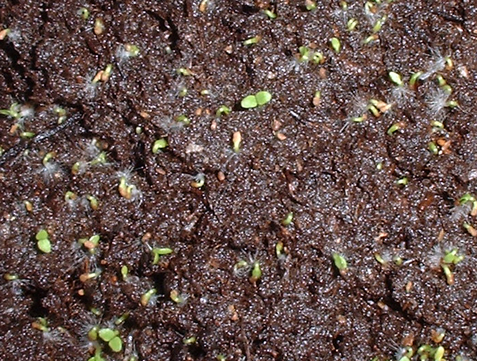
Tobacco, also known as Nicotiana tabacum, is a plant cultivated for its leaves, which are used to produce cigarettes, cigars, pipes, and other tobacco products. Originating from Central and South America, tobacco was introduced to Europe in the 16th century.
A Brief History of Tobacco Cultivation
The history of tobacco cultivation dates back to the pre-Columbian era, when it was widely cultivated and used by indigenous populations in the Americas. Christopher Columbus brought tobacco to Europe in 1492, initially considering it a medicinal plant. As trade expanded, tobacco became popular for its stimulant properties and relaxing effects.
Tobacco quickly spread across the globe due to its adaptability to diverse climates and soils. Today, tobacco is grown in many countries worldwide, including the United States, Brazil, China, India, Indonesia, Zimbabwe, Malawi, and others.
Tobacco in Italy
In Italy, tobacco cultivation dates back to the 17th century, primarily practiced in northern regions such as Lombardy, Piedmont, and Veneto. Over time, the practice spread to other parts of the country, including Tuscany, Umbria, and Marche. Italian tobacco is renowned for its high quality due to meticulous care during cultivation and processing.
Italian tobacco production has faced ups and downs over the years, influenced by factors like foreign competition, government policies, and price fluctuations. Despite these challenges, tobacco remains an essential economic activity in certain Italian regions.
Tobacco Biology
The Nicotiana tabacum plant is an annual herbaceous crop belonging to the Solanaceae family. Native to Central and South America, it was cultivated for centuries for its leaves, which are used to produce various tobacco products.
Anatomy of the Tobacco Plant
The tobacco plant has a relatively underdeveloped root system and an erect stem that can reach 1-2 meters in height. Large, green, and oval or lance-shaped leaves cover the surface of the leaf, covered with glandular hairs that secrete a yellow substance containing nicotine.
The flowers of the Nicotiana tabacum plant are white and trumpet-shaped. The plant produces seeds in a capsule, which can be harvested for planting the next season.
Life Cycle and Reproduction
The life cycle of Nicotiana tabacum is annual. Plant growth begins with sowing, lasting approximately 3-4 months. During this period, flowers bloom in summer, followed by seed production that can be harvested for replanting.
Pollination occurs primarily through insects like bees and beetles but can also happen through wind pollination. Reproduction happens through seed dispersal and vegetative reproduction.
Tobacco Cultivation Techniques
Cultivating tobacco requires careful attention to detail but can be a rewarding experience for those interested in producing their own cigarettes or pipe tobacco. Here are the main techniques involved:
Preparation of the Soil
Before planting or transplanting, soil preparation is essential. The soil should be well-worked and drained to avoid waterlogging that can damage roots.
Sowing and Transplantation
Tobacco seeds can be sown directly into fields or started in greenhouses. Direct sowing is best for colder climates, while greenhouse-started plants are more suitable for warmer regions.
Transplanting should occur when the seedling has at least 4 true leaves. The transplant process should take place on a cloudy day or evening to avoid excessive heat stress.
Management and Care
Tobacco requires careful management and care throughout its growth cycle. Irrigation is essential, but avoiding waterlogging must be prioritized. Regular removal of weeds around the plants ensures that they receive adequate nutrients.
Pruning the plant by removing yellowed leaves helps maintain healthy foliage and encourages further leaf development.
Once the tobacco leaves are mature, they should be harvested and left to dry in a cool, well-ventilated area for at least 4-6 weeks.
Harvesting and Processing
Harvesting tobacco involves picking the mature leaves. Tobacco is then dried and fermented before being processed into various tobacco products.
Tobacco processing requires careful attention to detail to produce high-quality tobacco products. The drying and fermentation processes are crucial steps in achieving a final product with the desired flavor, aroma, and texture.
Economic and Regulatory Aspects
The tobacco industry is a significant global player, generating billions of dollars each year. According to the World Health Organization (WHO), tobacco remains the second leading cause of death worldwide but also one of the most profitable agricultural products globally.
In Italy, tobacco cultivation continues to play an important role in certain regions. The Italian government regulates tobacco production and sale through strict laws aimed at reducing consumption and controlling its harmful effects on public health.
Conclusion
Growing tobacco is a complex process that requires dedication and expertise. Understanding the history of tobacco cultivation, its biology, and the techniques involved can empower those interested in growing their own tobacco plants or learning about the industry.
Frequently Asked Questions (FAQs)
- What are the ideal conditions for growing tobacco?
Ideal temperature ranges from 15°C to 30°C with adequate rainfall throughout the growth cycle.
- How do I ensure quality control when harvesting and processing tobacco?
Harvesting should occur when leaves are fully mature, and then drying and fermentation processes must be conducted under controlled conditions to prevent spoilage.
- What is the most common method of nicotine extraction from tobacco leaves?
Nicotine can be extracted through various methods including solvent-based extractions, but solvent-based extractions pose significant environmental concerns.
- Can I grow tobacco in my backyard?
Growing tobacco at home requires a well-planned garden, access to suitable climate conditions, and strict adherence to quality control measures throughout the growth cycle.
- What are the health risks associated with consuming tobacco products?
Consuming tobacco products poses significant health risks, including cardiovascular disease, cancer, and respiratory problems.
- Are there alternatives to traditional tobacco cultivation methods?
Alternatives include biotechnology and sustainable agriculture practices that reduce environmental impact without compromising quality.
- Can I sell my homegrown tobacco leaves for commercial purposes?
Selling homegrown tobacco requires complying with local regulations and ensuring all necessary permits are obtained before production, harvesting, or sale.
- What can I do to promote the health benefits of alternative nicotine delivery methods?
Promoting alternatives like e-cigarettes can help educate consumers about safer options and encourage them to switch away from traditional cigarettes.
Specialized Growing Techniques for Tobacco Plants
Some specialized growing techniques can enhance tobacco plant growth and yield:
- Soil Fertilization: Regular fertilization with nitrogen, phosphorus, and potassium can promote healthy plant growth.
- Pest Management: Integrated pest management strategies can help minimize the impact of pests on tobacco plants.
- Pruning Techniques: Pruning techniques like topping or pinching can encourage bushy growth and improve leaf quality.
Conclusion
Growing tobacco is a rewarding experience for those interested in producing their own cigarettes or pipe tobacco. With proper care, attention to detail, and adherence to quality control measures, homegrown tobacco can be of the highest quality and suitable for commercial sale.
However, it’s essential to consider the health risks associated with consuming tobacco products and explore alternative nicotine delivery methods that are safer and healthier.
Additional Resources
- National Tobacco Board: For information on tobacco cultivation in different countries, regulations, and market trends.
- Tobacco Research Institute: For research-based studies on tobacco biology, processing, and health risks.
- Alternative Nicotine Delivery Methods Association: For information on e-cigarettes, vaping products, and other nicotine delivery methods.
References
- World Health Organization (WHO). (2019). Tobacco Control.
- National Institute of Food and Agriculture (NIFA). (2020). Tobacco Production.
- U.S. Department of Agriculture (USDA). (2020). Tobacco Crop Management.
Glossary
- Nicotiana tabacum: The scientific name for the tobacco plant.
- Solanaceae family: A family of plants that includes tobacco, tomatoes, and peppers.
- Soluble nicotine: A form of nicotine that is easily absorbed by the body.
- Tobacco leaf: The leaves of the Nicotiana tabacum plant used for smoking.
FAQs
- Can I grow my own tobacco at home?
- Yes, but it requires a well-planned garden and adherence to quality control measures throughout the growth cycle.
- What are the health risks associated with consuming tobacco products?
- Consuming tobacco products poses significant health risks, including cardiovascular disease, cancer, and respiratory problems.
- Are there alternatives to traditional tobacco cultivation methods?
- Yes, alternatives include biotechnology and sustainable agriculture practices that reduce environmental impact without compromising quality.
Disclaimer
The information provided in this article is for educational purposes only and should not be considered as professional advice.


